Portuguese
  Spanish


With The Water Crisis And The Increase In Traffic, New Solutions Are Explored For Interoceanic Trade To Replace The Panama Canal!
The Panama Canal has been a fundamental pillar of global trade since its inauguration in 1914, facilitating transit between the Atlantic and Pacific oceans and saving time and costs for global navigation.
However, the increase in maritime traffic and a severe water crisis have pressured its operational capacity, leading to the search for viable alternatives that can relieve or complement this crucial corridor.
In the wake of this challenge, three promising projects emerge: the Interoceanic Corridor of Mexico, the Colombian Railway, and the Nicaragua Mega Canal.
-
Facing Labor Shortage, Japan Plans to Invest $34 Million to Attract Foreign Workers in Construction, Healthcare, Industry, and Commerce

-
France Revamps 530 Social Housing Units with Large Balconies and Glass Facades Without Demolishing Existing Buildings

-
Brazilian City Makes Remarkable Leap, Becomes 4th Wealthiest in the Country with GDP of R$ 134.1 Billion

-
Facing high rent, couple transforms parents’ garage into a fully functional apartment, creating a complete home at a fraction of the market cost.





Interoceanic Corridor Of Mexico
The Interoceanic Corridor of Mexico proposes an innovative solution by connecting the Atlantic to the Pacific through a railway that crosses the Isthmus of Tehuantepec.
This corridor offers the advantage of being less dependent on water resources, unlike the Panama Canal, making it an economically and environmentally sustainable alternative.
The Mexican government sees this project not only as a logistical solution but also as an opportunity to boost regional development, generating jobs and stimulating the local economy.
However, the success of this project depends on overcoming logistical challenges and building adequate infrastructure to support the expected increase in cargo flow.
Colombian Railway
The Colombian Railway emerges as a strategic alternative, aimed at connecting the country’s Atlantic and Pacific ports.
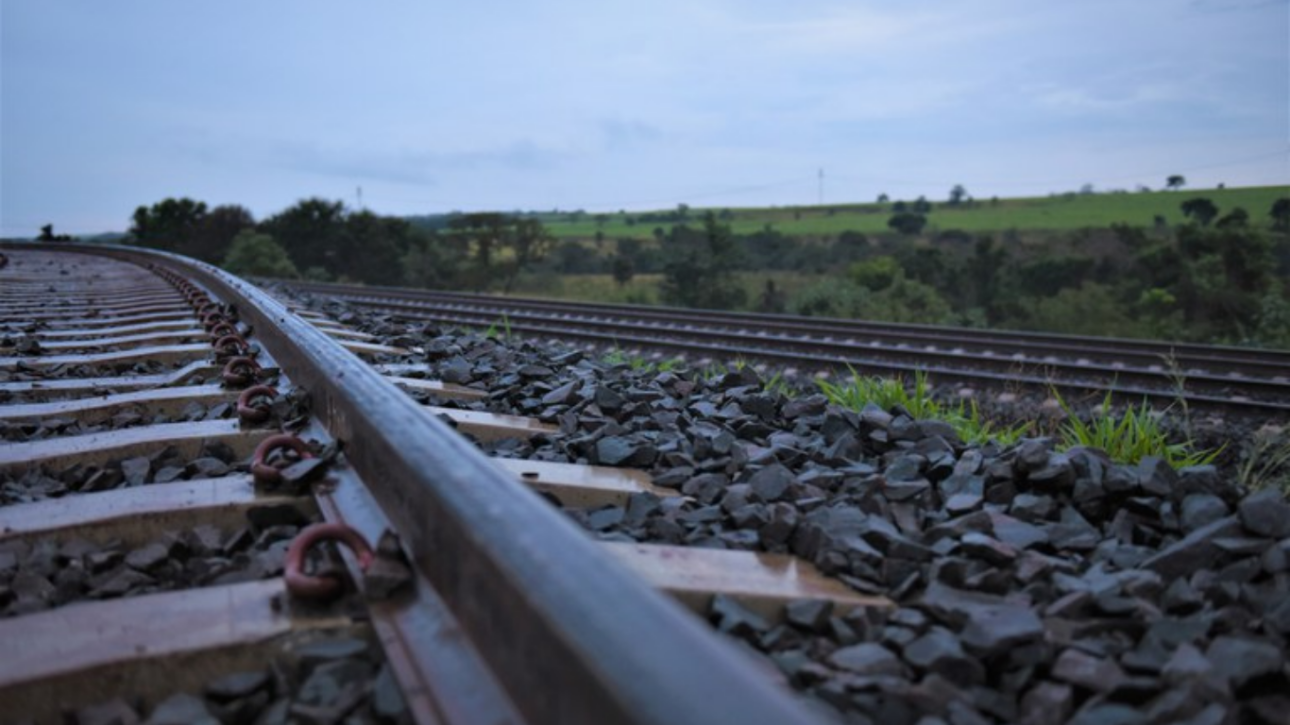
This project aims not only to facilitate the transportation of goods but also to further integrate the country into the global logistics chain.
However, the railway faces significant environmental obstacles, as it traverses regions of rich and sensitive biodiversity.
Additionally, social issues, such as the impact on local communities and the need to ensure that economic benefits are widely distributed, are critical factors that require attention.
Nicaragua Mega Canal
Perhaps the most audacious of the projects is the Nicaragua Mega Canal, which seeks to establish a navigation corridor even larger than the Panama Canal.
If realized, this project could transform Nicaragua into a focal point of global trade.
However, it is surrounded by financial uncertainties, given its high cost, and faces environmental criticisms due to the potentially devastating impact on local ecosystems and indigenous communities.
Political viability is also a concern, considering the complex international relations and the need for regional cooperation.
Challenges And Opportunities Of The Panama Canal
The challenges faced by the Panama Canal have triggered a race for logistical innovation in Latin America.

The region is strategically positioned between the two largest oceans in the world, and improving its infrastructure could redefine global trade routes.
While projects face significant barriers, they also offer opportunities for economic growth, sustainable development, and strengthening inter-regional trade relationships.
Moreover, any advancement in one of these projects could serve as a catalyst for the modernization of other infrastructures in Latin America, encouraging foreign investment and fostering public-private partnerships.
Healthy competition among these initiatives can result in more efficient, sustainable, and economically viable solutions.
Global Impact
The unfolding of these projects will have a profound impact not only on Latin America but also on global trade.
The ability to create alternative routes to the Panama Canal can relieve traffic bottlenecks, reduce transportation costs, and mitigate risks associated with climate change that affect water levels in the canal.
Additionally, diversifying trade routes can enhance the resilience of global supply chains, a critical factor in an increasingly interconnected world prone to disruptions.
Therefore, while the future of interoceanic trade routes remains uncertain, innovation and determination to overcome logistical, environmental, and political challenges promise to shape global trade in the 21st century.
The exploration of alternatives to the Panama Canal is not just a logistical necessity but also an opportunity for Latin America to reimagine its role in the global trade and development landscape.
SOURCE: CONSTRUCTION TIME