





 Portuguese
  English
  Spanish
  3 min of reading
  0 comments


European Bat Flies 1,500 Km, Lives Over 40 Years and Intrigues Biologists by Combining Accelerated Metabolism and Ultra-Slow Aging.
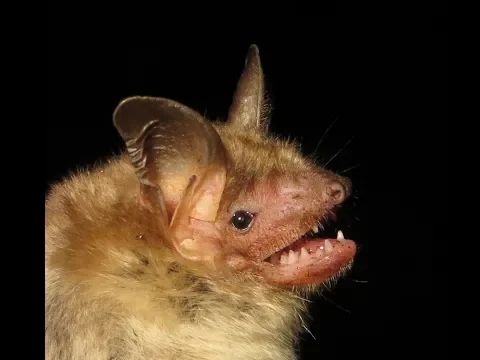
Biology is full of exceptions, but few are as radical as those of European bats. Small species like Myotis brandtii and Myotis myotis, measuring only 7 to 10 centimeters in length and weighing about 10 grams, can live for over 40 years, equivalent to a 400-year-old human when compared by body size. At the same time, they are capable of flying over 1,500 km between European countries, burning energy at high rates and maintaining an accelerated metabolism that, theoretically, should reduce their lifespan.
But what should “expend” the animal quickly does the opposite. This is forcing science to rewrite part of what was known about aging, metabolism, and longevity in mammals.
The Biological Paradox: The Smaller the Animal, the Shorter the Life — Except for Bats
In comparative biology, there is a well-known general rule: the smaller the mammal, the faster the metabolism and the shorter the lifespan.
-
After days at sea, imagine returning to an apartment just minutes from the most sophisticated beach in Rio, with the Lagoa Rodrigo de Freitas bike path nearby and all the infrastructure of the South Zone. Leblon has become the preferred refuge for those working in the oil and gas sector.

-
The forest that is not a forest: Pando gathers more than 40,000 trunks, forming a single colossal living being with 106 acres, nearly 6,000 tons, and an underground root that connects everything like a giant organism equivalent to 80 football fields.
-
Couple finds R$ 10,000 in a dumpster in Brazil and their action surprises: after finding a box with exactly R$ 10,050 in cash, a humble worker makes an emotional decision that moved residents and went viral on social media.
-
Catarinense student gets accepted into five universities in the United States at once, and the most surprising thing is that the young woman from Brusque balanced preparing for the American exams with a travel routine that has already taken her to over 100 countries across six continents.




Rats, for example, weigh around 300 grams and live less than 3 years. In contrast, whales, elephants, and humans live much longer and have a slower metabolism.
The European bat breaks the rule brutally:
- Weight: ~10 g
- Length: ~7–10 cm
- Flight Speed: up to 50 km/h
- Documented Migrations: 1,500 km or more
- Recorded Longevity: 41 years (record for Myotis brandtii in Siberia)
For such a small and active animal, this is statistically absurd. If it followed the pattern of other mammals, it should live 2 to 3 years at most.

Genetics, Cell Repair, and Immunity: The Secrets of the Animal That Lives “Outside the Rules”
One of the most robust explanations comes from genomic studies. Researchers from the Max Planck Institute for Biology of Aging, Uppsala University, and University College Dublin identified three crucial factors:
Efficient DNA Repair
Bats exhibit greater activity of genes linked to:
- repairing DNA damage,
- maintaining telomeres,
- selectively eliminating damaged cells.
This reduces accumulated mutations, one of the drivers of aging.
Low Chronic Inflammation
Unlike other mammals, the immune response of the bat is highly regulated. While humans and rodents suffer from low-grade inflammation (which accelerates degenerative diseases), bats appear to maintain a controlled and efficient system, even under high metabolic stress.
Reduced Oxidative Stress
Flight consumes 20 to 30 times more energy than staying still. Still, bats produce fewer free radicals than other small animals, avoiding cell damage.
It’s as if they are biological marathon runners who do not suffer muscle fatigue or inflammation throughout their lives.
How Do They Manage to Fly So Far?
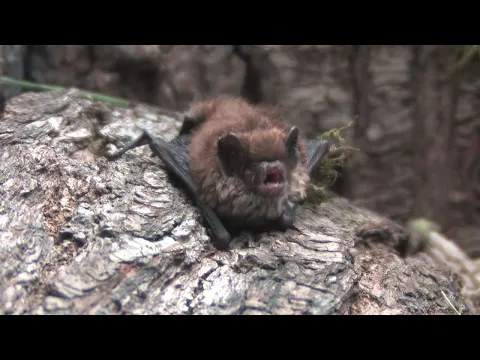
European migrations have already been recorded by tags and radio tracking. A classic example:
- Nyctalus noctula tagged in Poland was found 1,584 km later, in Russia.
The physiology behind this involves:
- long and narrow wings that reduce energy expenditure,
- seasonal hibernation to save energy,
- nocturnal routes that avoid predators,
- high-precision echolocation for navigation.
This physiological package places the animal among the most energy-efficient mammals in the air, second only to some larger birds.
Why Does It Matter to Us?
Science is studying bats as biological models for:
- human longevity
- neurodegenerative diseases
- metabolism
- immunology
Studies published in Nature Communications, Science Advances, and GeroScience already suggest that cellular repair mechanisms applied to bats may help in understanding:
- Alzheimer’s,
- Parkinson’s,
- cellular senescence,
- systemic inflammation.
In other words, the animal is not just a record holder; it is a strategic biological model. The European bat is not just a small flying mammal. It is a biological anachronism that combines:
- accelerated metabolism
- long distances traveled
- extreme flight energy
- uncommon longevity of up to 40 years
And this directly challenges one of the classic principles of biology: the relationship between body mass, metabolism, and lifespan.
As research advances, this small animal may help answer one of science’s oldest questions:
Why do we age and how could we age more slowly?





-

-

-

-

16 people reacted to this.