






 Portuguese
  Spanish
  3 min of reading
  0 comments


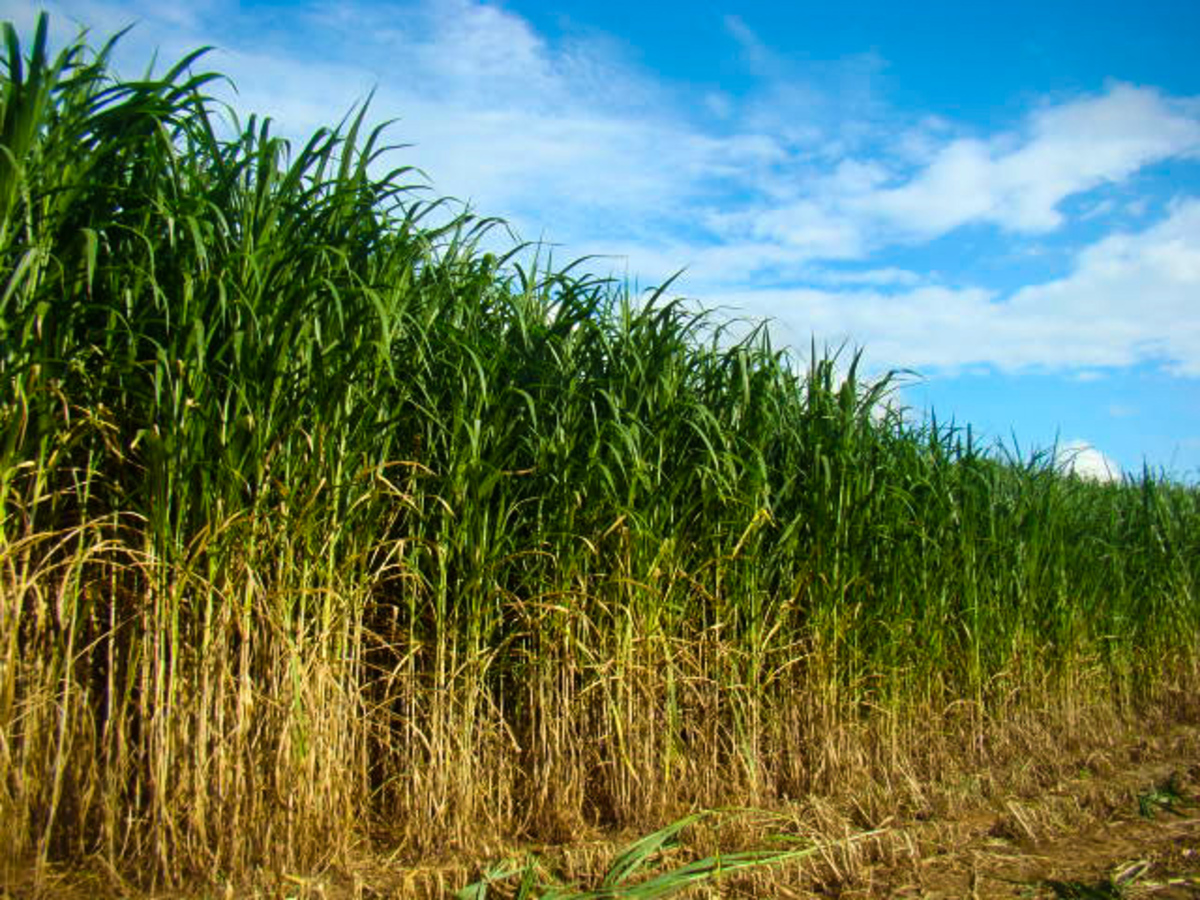
With High Productivity and Energy Potential, BRS Capiaçu Elephant Grass Gains Ground in Bioenergy and Industrial Use Projects in Brazil
The BRS Capiaçu elephant grass cultivar, developed by Embrapa for dairy farming, is beginning to gain prominence in other areas. Ten years after its launch, the plant consolidates itself as a promising alternative for renewable energy generation. Its technical and economic potential draws the attention of the industry, especially in sectors such as cement and bioenergy.
Above-Average Productivity
The plant can produce about 50 tons of dry matter per hectare per year. This volume is 30% greater than that of other cultivars available on the market.
The high productivity has motivated a partnership between Embrapa and Ciplan/AS. Together, the institutions developed a theoretical prototype for the use of biomass from the grass in blast furnaces.
-
Brazilian scientists are simultaneously advancing two research projects on clean hydrogen and driving solutions that could transform the energy matrix, enhance industrial competitiveness, and accelerate large-scale emission reduction targets.

-
Advancement in renewable energy: A R$ 150 million project launched by Petrobras and Finep aims to create state-of-the-art electrolyzers for green hydrogen, strengthening national research and preparing Brazil to compete in a billion-dollar energy market.
-
Illiterate or semi-literate grandmothers were trained to repair solar systems, open rural workshops, and light up homes that still depended on kerosene.
-
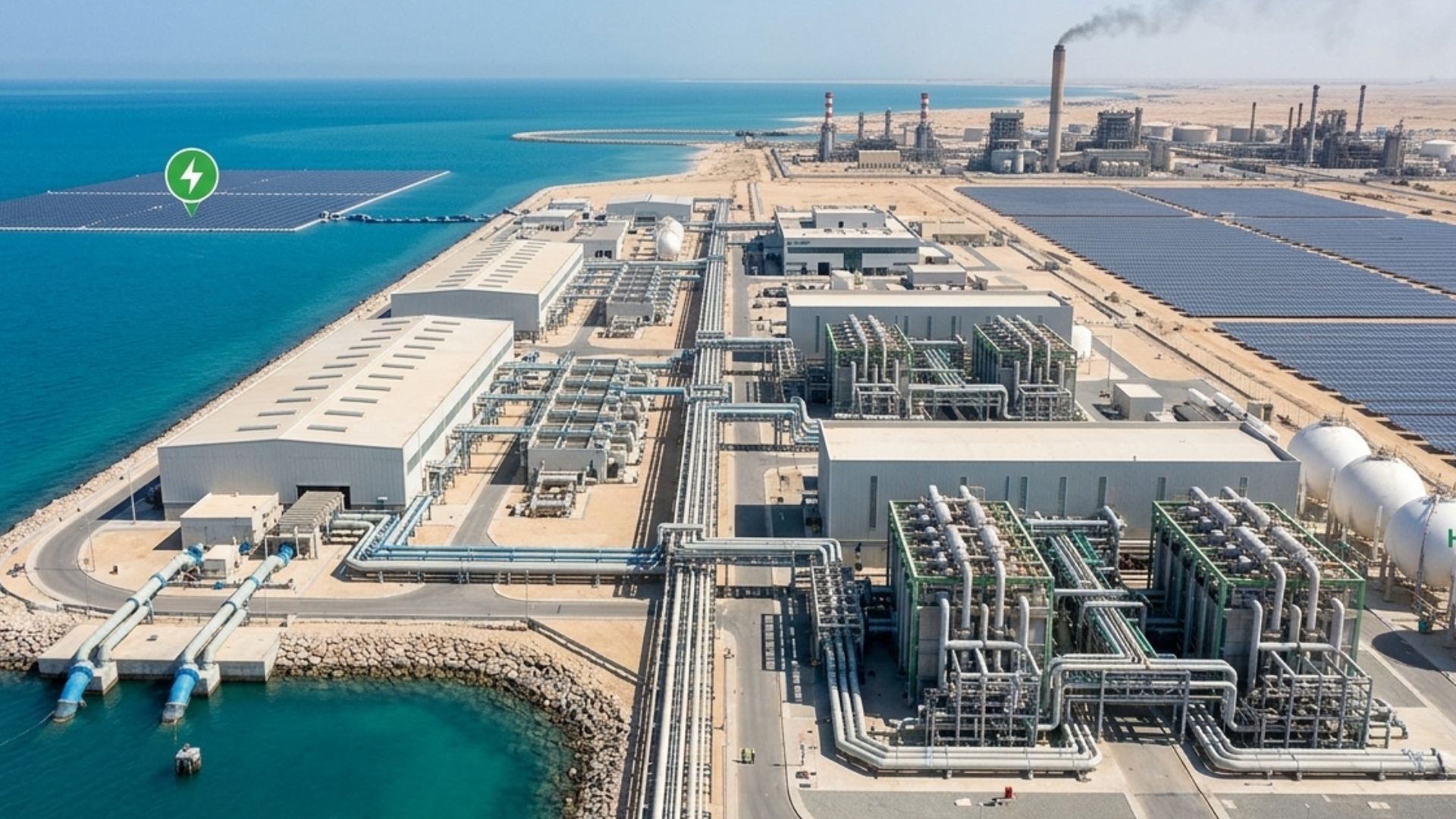
The world has bet on green hydrogen as the fuel of the future, but now faces the side effect: producing 1 kilogram requires about 9 liters of ultrapure water, and the largest projects on the planet are precisely in the driest regions of the Earth, where water is already scarce for people.




Competitive Energy with Fossil Fuels
According to researcher Juarez Campolina Machado, the calorific power of BRS Capiaçu is competitive with fossil fuels, such as petroleum coke. This characteristic opens up new possibilities for the industrial sector, which seeks more sustainable and economical renewable energy sources.
Samuel Oliveira, also from Embrapa, states that initial tests indicate the technical and economic viability of the grass for the cement sector. Additionally, BRS Capiaçu is the target of new studies investigating its use in the production of biogas, biomethane, and second-generation ethanol.
Biograss Project Tests New Applications
Among the ongoing initiatives, the Biograss project stands out. Carried out in partnership with the National Council for Scientific and Technological Development (CNPq) and the company Bioköhler, the project tests the co-digestion of sorghum and elephant grass with animal production waste. The experiments take place in Toledo, Paraná.
Growing Interest in the Biofuels Market
The high productivity of BRS Capiaçu also sparks interest in the second-generation ethanol market. According to Juarez Campolina Machado, the cultivar is advantageous due to its short cycle and high biomass production, essential characteristics for producing biofuels from plant fibers.
In dairy farming, the area where BRS Capiaçu was initially conceived, the plant has stood out for producing high-quality silage at reduced costs. Antônio Vander Pereira explains that the cost of corn or sorghum silage can be up to three times higher than that of the grass.
BRS Capiaçu can exceed four meters in height and has high nutritional value, especially when used as green grass. It also exhibits tolerance to water stress and frost, but has low resistance to waterlogged areas, requiring planning for cultivation.
Field Experience Confirms Benefits
Producer Victor Ventura, from Santo Antônio do Aventureiro, Minas Gerais, uses the plant to feed 300 dairy cows. He reports high productivity and cost reduction, considering the cultivar a “game changer” in the production system.
A result of 15 years of research and genetic improvement by Embrapa, BRS Capiaçu is already cultivated from North to South Brazil, reinforcing the role of sustainable agricultural solutions in generating income and environmental preservation.
With information from Canal Rural.







Be the first to react!