






 Portuguese
  Spanish
  3 min of reading
  3 comments


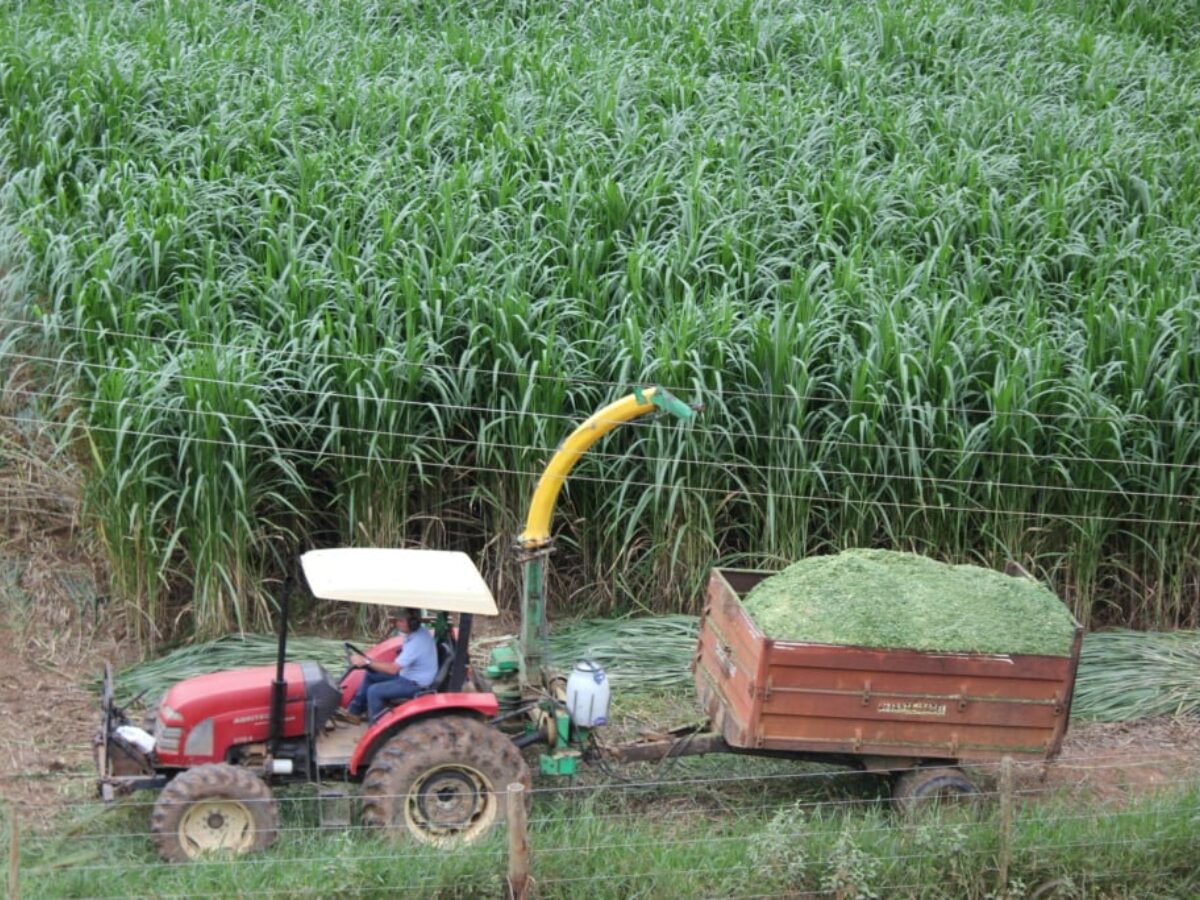

Previously Focused on Dairy Cattle, Grass Developed by Embrapa Shows Technical and Economic Potential to Supply Industries with Renewable Energy and Transform the Bioenergy Landscape in the Country.
The growing search for alternative sources of renewable energy has placed the BRS Capiaçu elephant grass, developed by Embrapa, at the center of studies and projects focused on clean energy generation in Brazil. Originally launched to meet the demand of the dairy cattle sector, the cultivar is now gaining new spaces as an energy input for large industries.
With an average production of 50 tons of dry matter per hectare per year, the plant shows a performance 30% higher than other cultivars on the market, which has drawn the attention of sectors such as the cement industry.
The high productivity, combined with low production costs, was decisive for a collaboration between Embrapa and the company Ciplan/AS, aimed at creating a theoretical model for the use of biomass in industrial furnaces.
-
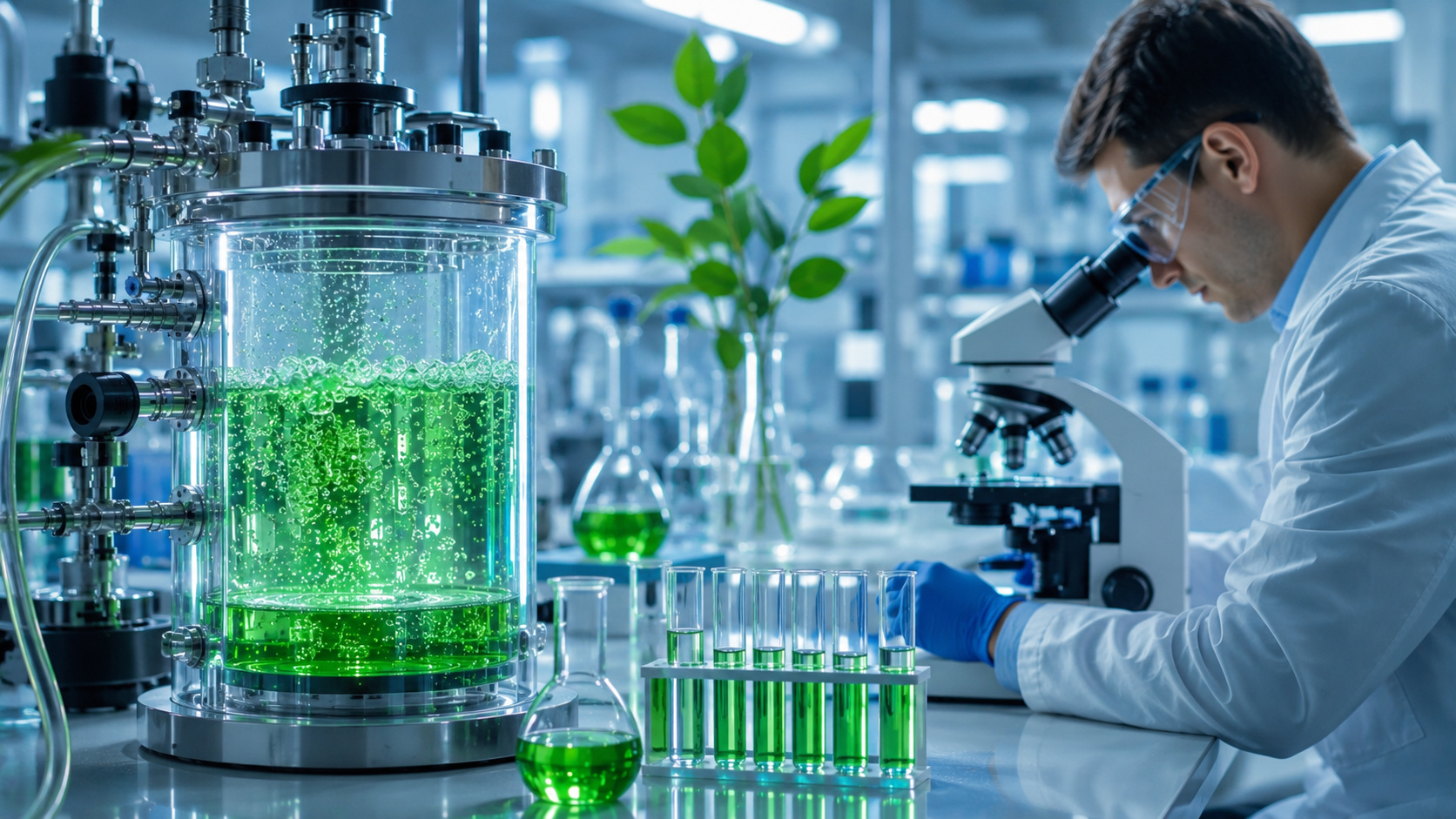
Brazilian scientists are simultaneously advancing two research projects on clean hydrogen and driving solutions that could transform the energy matrix, enhance industrial competitiveness, and accelerate large-scale emission reduction targets.

-
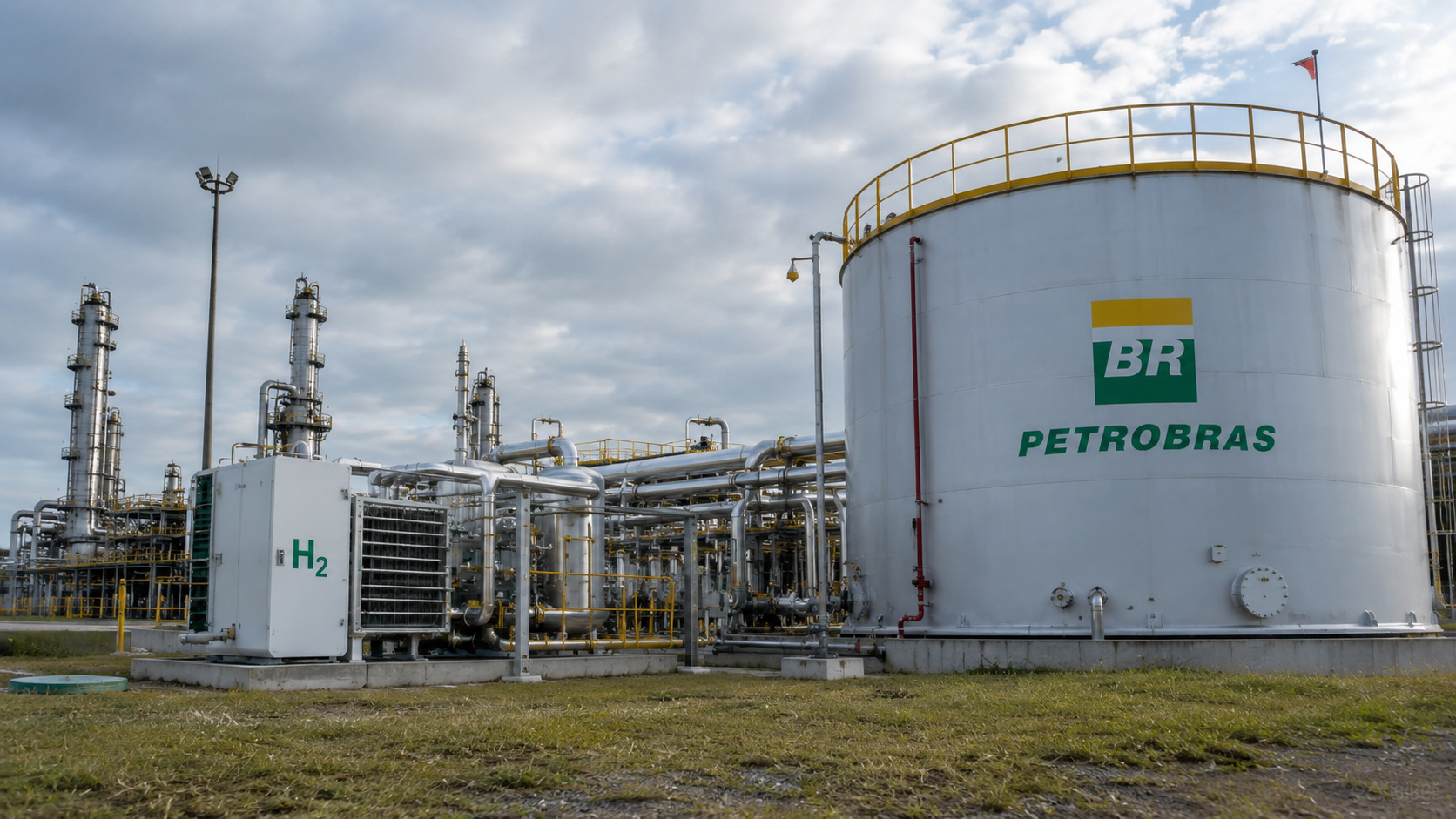
Advancement in renewable energy: A R$ 150 million project launched by Petrobras and Finep aims to create state-of-the-art electrolyzers for green hydrogen, strengthening national research and preparing Brazil to compete in a billion-dollar energy market.
-
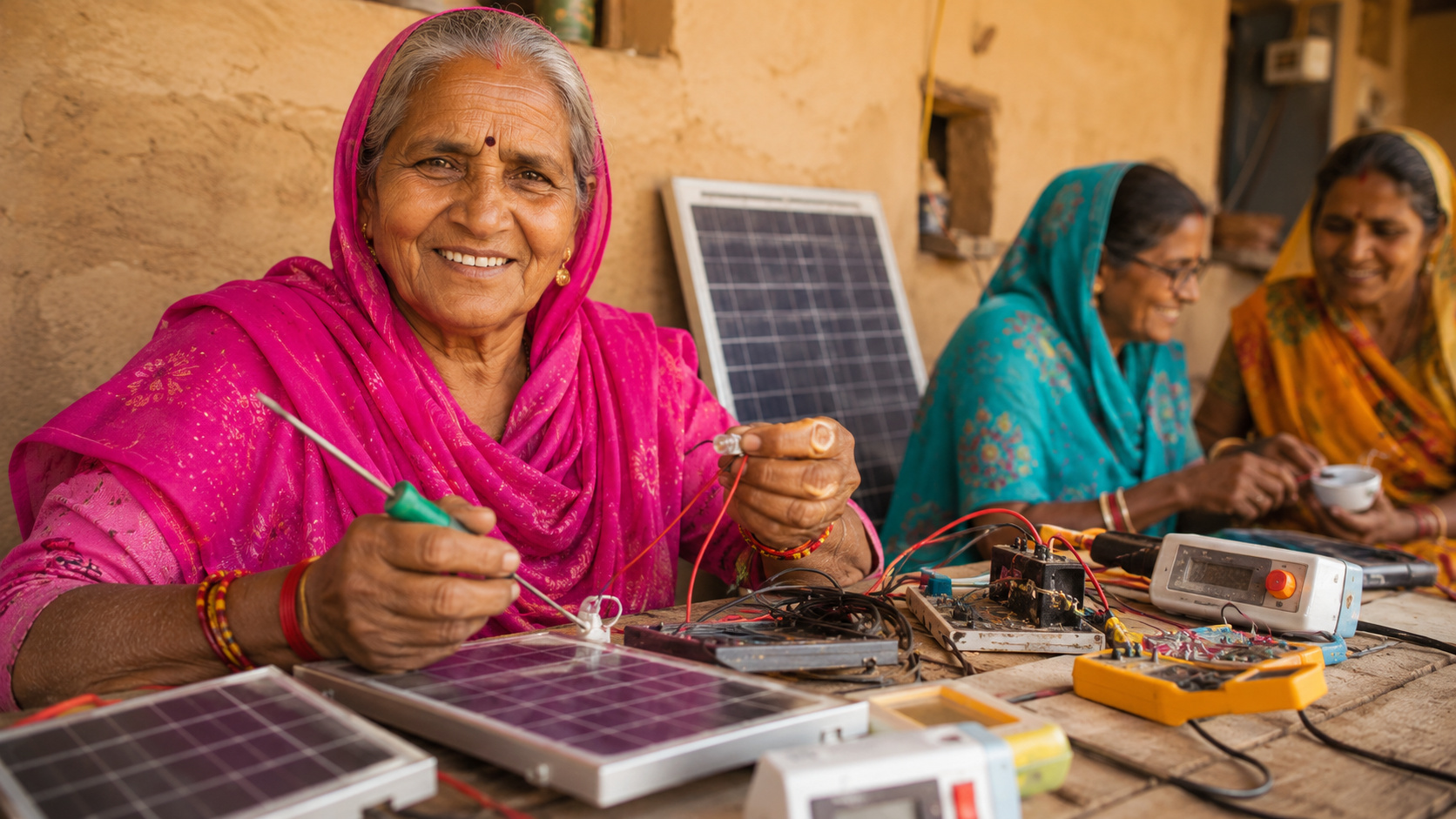
Illiterate or semi-literate grandmothers were trained to repair solar systems, open rural workshops, and light up homes that still depended on kerosene.
-
The world has bet on green hydrogen as the fuel of the future, but now faces the side effect: producing 1 kilogram requires about 9 liters of ultrapure water, and the largest projects on the planet are precisely in the driest regions of the Earth, where water is already scarce for people.

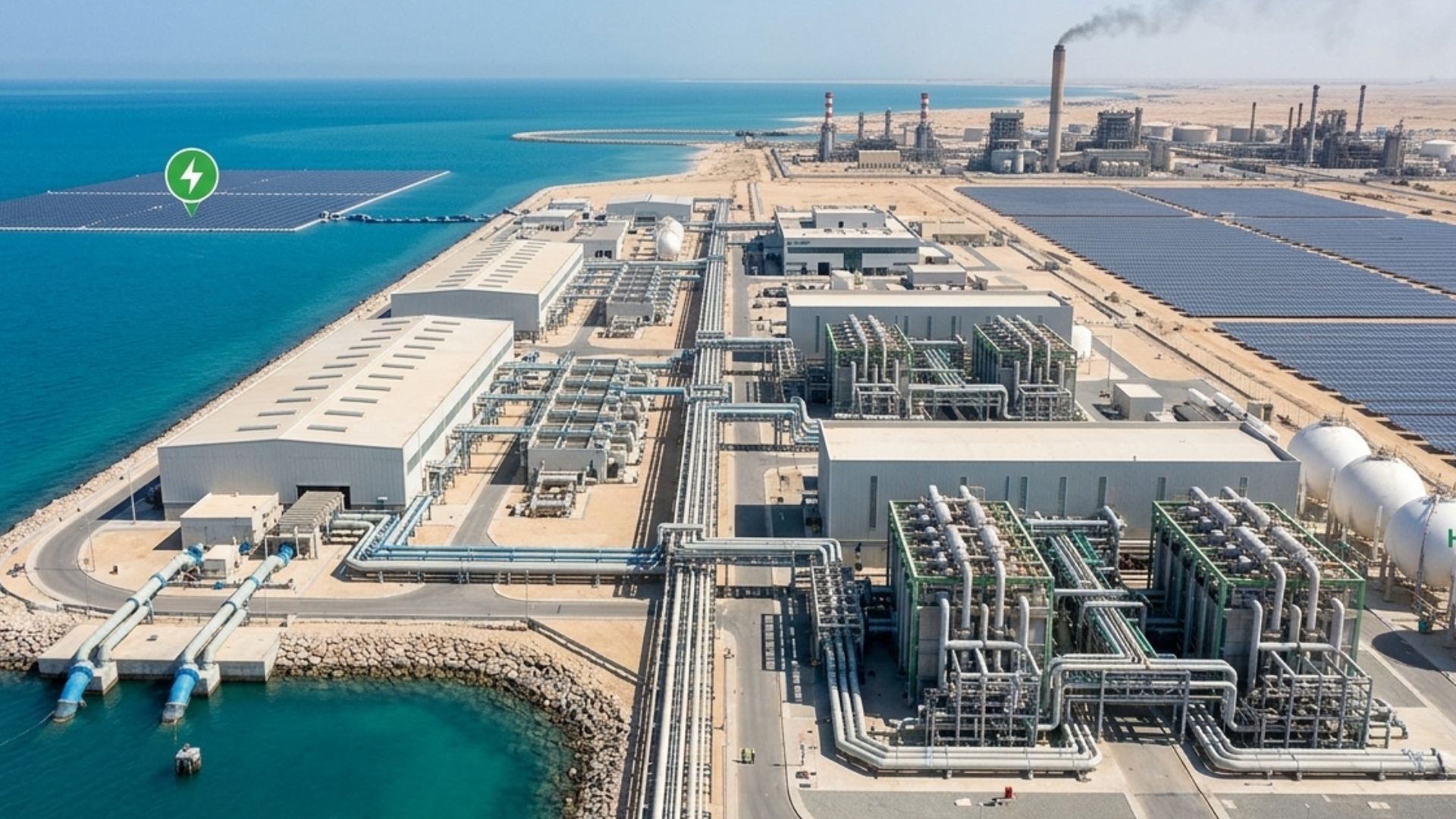
Embrapa’s Elephant Grass Can Replace Fossil Fuels in Cement Plants
One of the main attractions of BRS Capiaçu in the energy sector lies in its calorific potential. According to researcher Juarez Campolina Machado from Embrapa, the grass presents “competitive calorific power compared to fossil fuels, such as petroleum coke,” currently used on a large scale by cement plants.
This technical and economic viability was confirmed by Samuel Oliveira, another researcher from the institution. For him, the plant offers a concrete opportunity to reduce the environmental impact of industrial production, promoting a cleaner and more sustainable energy matrix.
Versatile Biomass for Biofuels and Biogas
In addition to use in blast furnaces, Embrapa has invested in studies on the use of elephant grass in other bioenergy fronts, such as the production of biogas, biomethane, and second-generation ethanol.
An example is the Biograss project, which tests the co-digestion of BRS Capiaçu with animal production waste. The initiative, in partnership with CNPq and the company Bioköhler, takes place in Toledo (PR) and seeks sustainable solutions for the use of biomass on an agro-industrial scale.
According to Machado, the cultivar stands out in this segment for its “short cycle and high yield of fibrous biomass,” making it ideal for energy processing.
Origin in Livestock: Embrapa’s Grass Continues to Stand Out in the Field
Although it has gained new applications, BRS Capiaçu retains its importance in the Brazilian dairy cattle landscape.
Since its launch, the cultivar has proven to be highly efficient for producing quality silage, with costs up to three times lower than alternatives like corn and sorghum, as explained by Antônio Vander Pereira, a researcher at Embrapa.
The high nutritional value, height exceeding four meters, and resistance to water stress and frost have solidified the plant as an ally for producers in all regions of the country.
However, cultivation requires special attention in areas prone to flooding, where the cultivar’s tolerance is reduced.


Producer Victor Ventura, from Santo Antônio do Aventureiro (MG), is one of many who have adopted elephant grass as a base for feeding dairy cows.
With 300 animals in the herd, he reports significant gains. “It was a turning point in my production system,” he states. According to him, in addition to improving productivity, the cultivar contributed to a significant reduction in feed costs.






Esqueceram de falar que nas fibras do capim tem Cl (cloro) e isso forma ácido clorídrico e corrói as tubulações da caldeira… Outra coisa, comparar biomassa X coque de petróleo é piada. A biomassa tem no máximo 2200 kcal x coque até 9000 kcal/kg.
Qual o poder calorífico do Pellets de Capiacu?
Muito bom mesmo, já tenho implantado aqui na minha chácara e várias vezes me tirou do aperto