






 Portuguese
  Spanish
  3 min of reading
  0 comments


Wet belt engines, automatic transmission failures, and histories of low reliability make dealerships avoid certain used cars, as problematic components can increase costs, reduce resale margins, and turn an seemingly common deal into a loss
Professional car dealerships avoid buying certain used cars because some engines, transmissions, and components are considered problematic and can turn resale into a loss. Among the cases cited are the Ford EcoBoost, Mazda 2.2-liter diesel, Stellantis PureTech, and the Ford PowerShift transmission.
The decision to reject these vehicles is not solely based on the model or brand. For professional sellers, a specific part can weigh more than the appearance, category, or commercial history of a used car.
Dealerships avoid high-risk engines
The Ford EcoBoost is among the engines many dealers avoid. It is one of the most well-known engines on the planet and is mainly found in the Fiesta, Focus, and B-Max, in addition to appearing across almost the entire Ford lineup.
-
Helicopter Drops 180 Tons of Sand and Gravel on Swedish River to Revive Ecosystem Damaged by Decades of Exploitation

-
Brazilian Company Launches Retro Smartphone with 48 MP Camera, T9 Keyboard, and Privacy Features for Social Media-Free Use

-
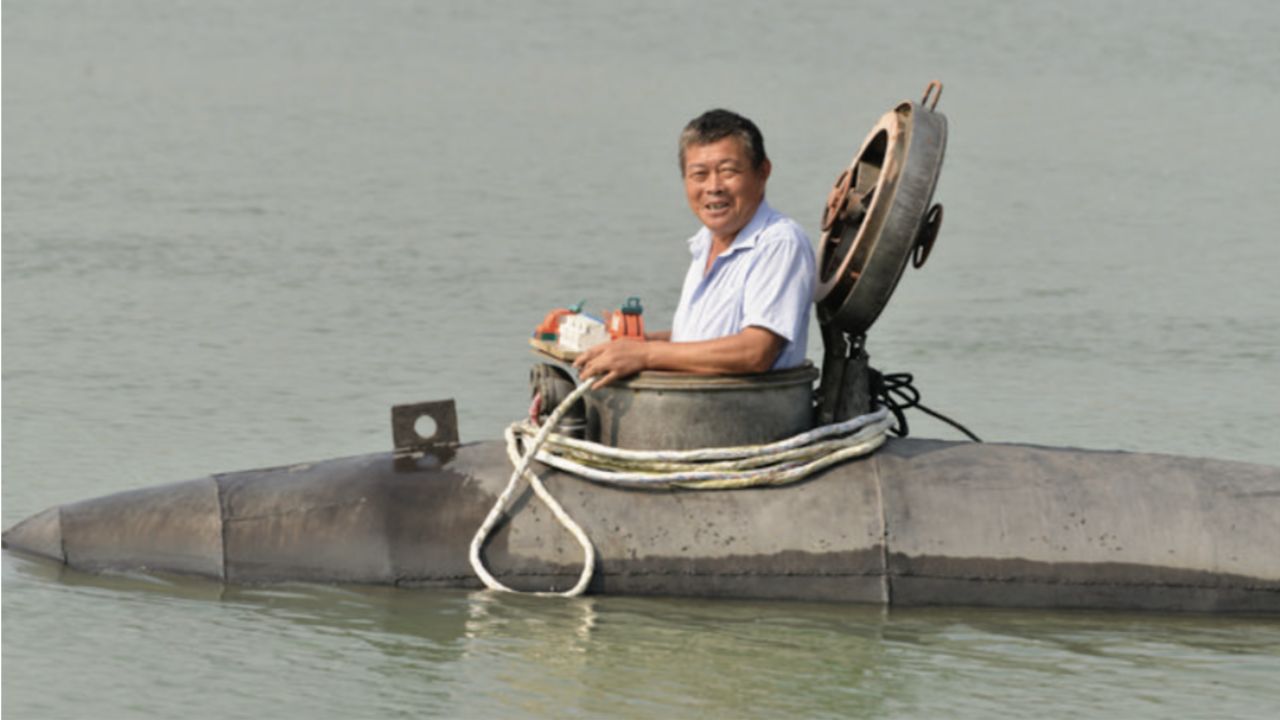
Self-Taught Chinese Farmer Builds 5-Ton Submarine from Scrap, Launches It in Anhui River
-
Invisible Induction Technology Enables Wireless Power for Blenders, Coffee Makers, and Air Fryers, Reducing Countertop Cables




The main point of concern is the wet belt. Unlike a common timing belt, it does not operate dry, as it functions within the engine oil.
Over time, this belt can deteriorate. When this happens, the indicated risk involves catastrophic engine damage, reason enough for mechanics and dealerships to reject an EcoBoost.
Mazda diesel also makes the list
Another assembly that faces resistance is Mazda’s 2.2-liter diesel engine. The brand is generally described as reliable, but some engines used in the CX-5, Mazda 6, and Mazda 3 can present significant failures.
Among the problems cited are stretched timing chains. Leaking injectors and diesel particulate filters that fail prematurely also appear.
These defects increase the risk for those buying with the aim of reselling. For this reason, Mazda’s 2.2-liter diesel engine appears among those that mechanics seem to strongly reject.
PureTech and PowerShift concern dealers
The Stellantis PureTech is also treated as a problematic engine for the used car market. It equips Peugeot, Citroën, and Vauxhall vehicles and is described as very common on British roads.
Like the Ford EcoBoost, the PureTech uses a wet belt. The problem occurs when debris from this belt obstructs the oil inlet, creating a risk of lack of lubrication.
This lack of oil can lead to serious engine failures. For dealerships, this type of possibility reduces purchase security and makes the car less attractive for negotiation.
Ford’s PowerShift dual-clutch automatic transmission also appears as a nightmare for industry professionals. It can present catastrophic failures and generate high costs for both dealer and customer.
These components are not the only problematic points in used cars. Still, all are cited as items capable of making sellers refuse to even touch certain vehicles.
Models remembered for low reliability
The list of least reliable cars begins with the 1971 Chevrolet Vega. The model became known for its sleeveless aluminum engine blocks, which warped and consumed oil rapidly.
In 1975, the Triumph TR7 was marked by serious electrical failures and British Leyland’s poor build quality. The 1981 Cadillac Seville V8-6-4, on the other hand, had a primitive cylinder deactivation system that caused sputtering and jerking.
The 1985 Yugo GV was associated with broken timing belts and internal parts coming loose during normal driving. In 1989, the Chrysler TC by Maserati combined expensive design, faulty electrical components, and leaky engines.
The sequence includes the 1997 Cadillac Catera, 2001 Pontiac Aztek, 2004 Land Rover Discovery, 2011 Fiat 500, and 2014 Jeep Cherokee. All are linked to failures such as leaks, transmission problems, suspension, electronics, clutch, overheating, and harsh shifts.





Be the first to react!