Portuguese
  Spanish


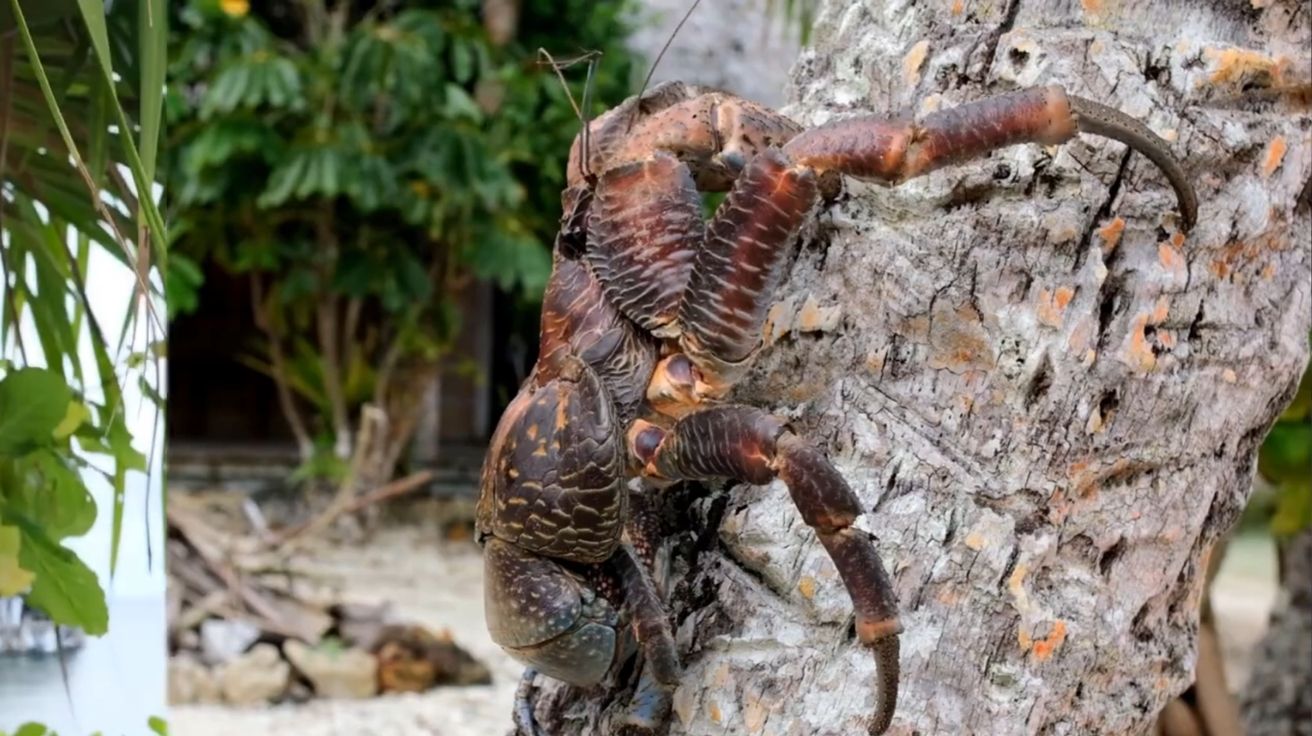

Rare Discovery Reveals The Return Of A Colossal And Elusive Species On A Remote Island, Bringing To Light Mysteries About Its Survival And Behavior In Little-Explored Environments.
The discovery of a giant crab (coconut crab) after more than 100 years on Car Nicobar Island in India surprises the scientific community.
The record, made by spelunkers and published in May this year in the Journal of Threatened Taxa, marked the first official sighting of the Birgus latro species in the area since 1874.
Historical Reunion With The Coconut Crab
During an exploration expedition to a small interior cave, about 3.2 km from the coast, researchers came across a large dark blue specimen nestled among rocks.
-
Orphaned Youth Turns Dismissed Idea into Global Prestige with Innovative Wristwatch

-
English Skills Boost Career Opportunities in the Oil and Gas Industry

-
Brazil Secures Second Place at WorldSkills 2024 in Lyon, with 64 Young Professionals and 8 Medals, Including Gold from a Rio de Janeiro Hairdresser

-
3,000 Military Personnel from 10 Countries, Including US and Chinese Marines, Train Together in Brazil’s Savanna: Operation Formosa Becomes Largest Naval Ground Exercise Before First Cancellation Since 1988



This giant crab was an adult male, weighing approximately 1.2 kg, with a body measuring about 13 cm — much smaller than the largest of its species, which can weigh up to 5 kg.
The animal’s presence was possibly facilitated by organic remains, such as coconuts and household waste, left near the rocky crevice.
The diet consists of fruits and organic matter, and these natural attractants may have led the crustacean to explore new areas.
The Largest Terrestrial Arthropod In The World
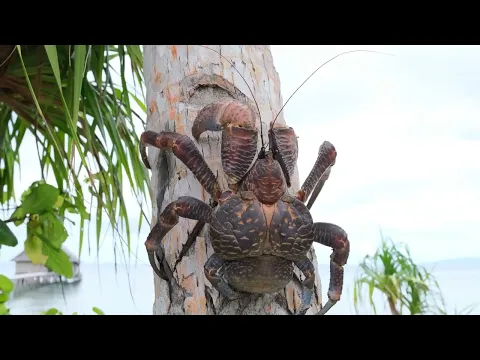
This species is the largest terrestrial arthropod in the world.
Adults can reach up to 90 cm in span and weigh 5 kg or more, living around 60 years.
Juveniles use mollusk shells for protection but lose this need upon becoming adults.
Classified as a vulnerable species by the International Union for Conservation of Nature (IUCN), Birgus latro faces population decline due to habitat loss, hunting, and natural events such as tsunamis.
The 2004 tsunami severely impacted the archipelago, and although the species has been recorded on other islands, there was no evidence on Car Nicobar until now.
Rarity And Importance Of The Scientific Finding
Since 1874, no official confirmation of the giant crab has been made in Car Nicobar.
The finding is especially relevant as it represents a post-tsunami record, reinforcing the species’ resilience and recolonization capacity.
Experts state that incidental sightings are valuable for documenting hard-to-detect populations, given the nocturnal and reclusive nature of the coconut crab.
Habitat, Habits And Life Cycle
This species occurs on various tropical islands in the Indian and Pacific Oceans, often up to 6 km from the coast, living in burrows in rocky or forested environments.
Its life cycle involves terrestrial and marine phases: adults deposit eggs in the sea, where larvae emerge and return to land in the early stages.
Threats To The Survival Of The Giant Crab
The giant crab faces serious risks, such as deforestation, exploitation by communities, and the introduction of predators on islands.
In the Indian Ocean, it is considered vulnerable and suffers from habitat fragmentation and overfishing.
In places like Zanzibar, community management combined with tourism has proven promising for conservation.

Conservation And Environmental Challenges
The new record highlights the importance of including caves and interior forests in monitoring programs after extreme events such as tsunamis.
Remnants of human food can attract animals but also expose them to plastic waste and health hazards.
The scientific achievement reinforces the vulnerable nature of the species and the urgent need for integrated preservation actions, such as strengthening regulations in India, enforcement against exploitation, and environmental education campaigns among local communities.
Future Of The Species And The Role Of Local Communities
The appearance of this coconut crab in Car Nicobar is more than a zoological record: it symbolizes the persistence of an emblematic species in a threatened scenario.
It also shows how human remnants — coconuts, waste — can connect or threaten wild species.
From this record, the urgency of studying remaining populations in isolated places, monitoring human impact, and boosting community-based conservation initiatives is clear.
Do you think that after this reunion, it will be possible to develop an effective monitoring and protection program for the giant crab on Car Nicobar? How can this involve local communities and researchers in preserving this extraordinary species?