Portuguese
  Spanish


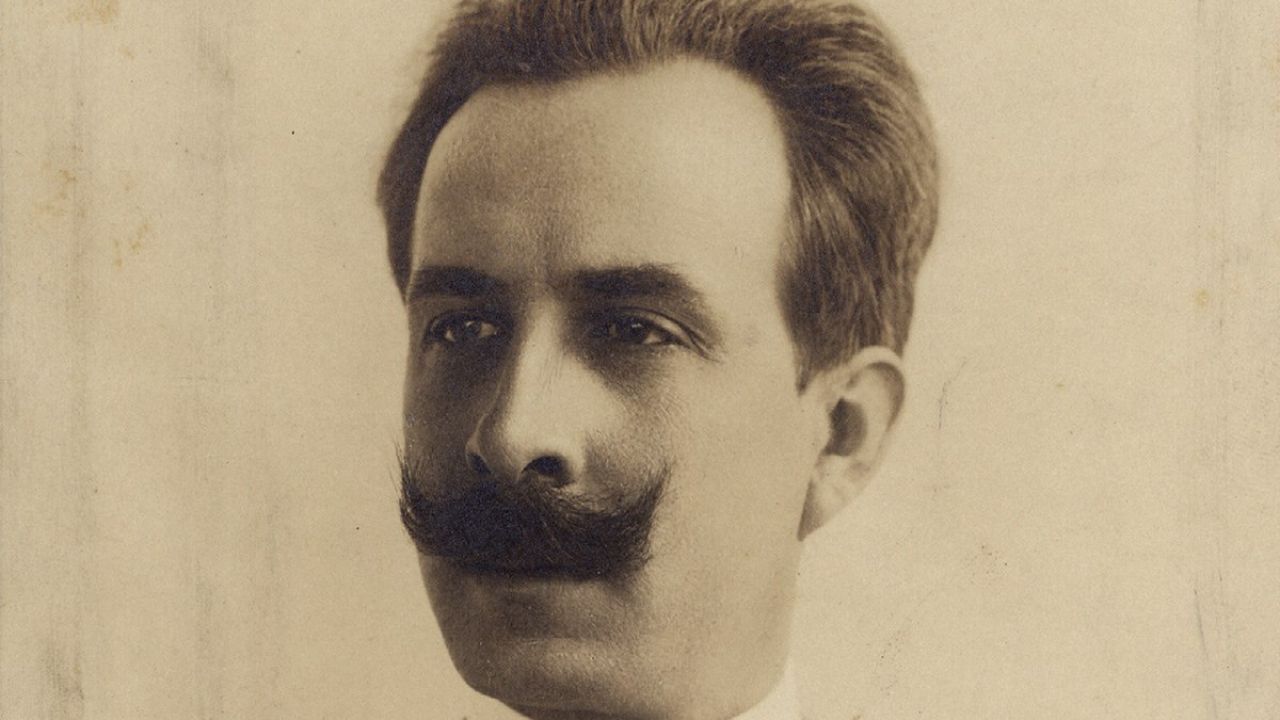

Discover The Story Of Carlos Chagas, Brazilian Scientist Nominated For The Nobel For Singly Identifying All Elements Of Chagas Disease. See His Legacy For Public Health.
Carlos Chagas, a physician and researcher born in Minas Gerais, changed the course of world medicine by discovering, in 1909, Chagas Disease — an illness caused by the parasite Trypanosoma cruzi and transmitted by the triatomine bug.
The revelation occurred while he was working in remote areas of Minas, combating malaria during railway construction.
The discovery was so complete and innovative that he became the only scientist in history to describe all aspects of a new disease alone: causative agent, vector, symptoms, and impacts.
-
Spain Launches World’s Largest Floating Dry Dock: 56-Meter Giant Produces Massive Concrete Structures in A Coruña Using Technology Proven in Brazil

-
AI-powered toys that talk, recognize faces, and collect data face scrutiny from Brazilian government over children’s privacy concerns

-
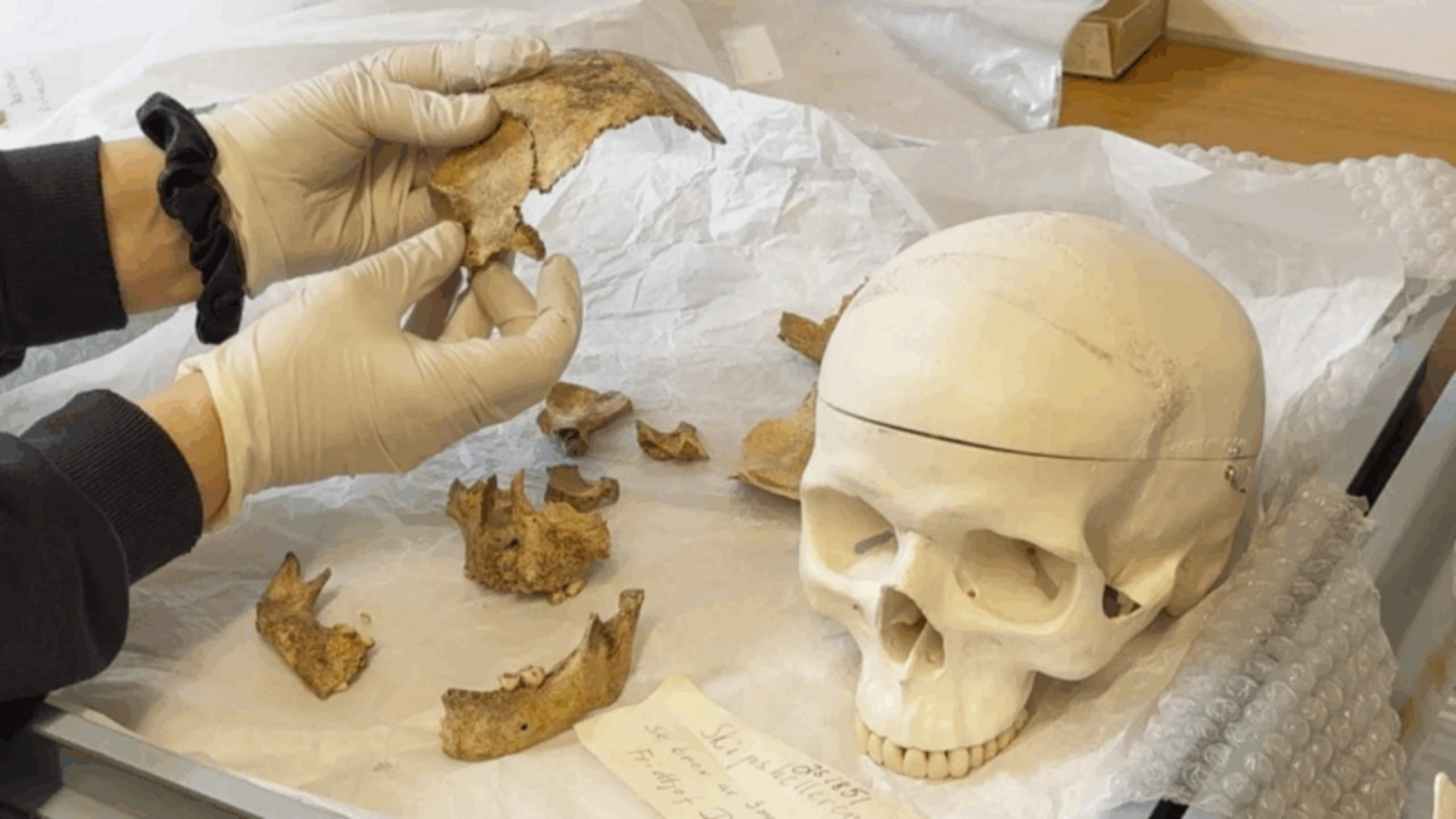
4,000-Year-Old Child’s Skull Unveils Ancient Burial in 7,500-Year-Old Norwegian Rock Shelter, Impressing Archaeologists

-
Norway Defeats Brazil in World Cup but Invests Billions to Preserve the Amazon, Strengthens Amazon Fund, and Joins Brazil in Leading Global Effort Against Tropical Deforestation



This achievement took place in the early 20th century, when Chagas was already part of the Oswaldo Cruz Institute in Rio de Janeiro.
His contribution not only elevated the name of Brazilian medicine on the international stage but also redefined the role of public health in the country, placing prevention as a key element in sanitary policies.
The Origin Of A Genius: Carlos Chagas’ First Steps
Carlos Ribeiro Justiniano Chagas was born on July 9, 1878, in the city of Oliveira (MG).
Son of a landowner, he grew up in the interior of Minas until moving to Rio de Janeiro in search of academic training.
He graduated as a physician from the traditional Faculty of Medicine of Rio de Janeiro in 1903.
During his studies, he was strongly influenced by Oswaldo Cruz, a renowned sanitary engineer who later became his mentor and colleague at the Federal Serum Institute, now known as Fiocruz.
The Discovery Of Chagas Disease: A Milestone In Medicine
While conducting anti-malaria actions in railway regions of Minas Gerais, Carlos Chagas made one of the greatest medical discoveries in history.
By analyzing samples of insects from the region, he identified an unknown protozoan, which he named Trypanosoma cruzi, in honor of Oswaldo Cruz.
This parasite was found in the gut of the triatomine bug and later in human blood samples, revealing a novel transmission cycle.
Thus, Chagas Disease was born, which is still considered one of the major neglected diseases in Latin America.
The importance of the discovery was so great that he was nominated twice for the Nobel Prize in Medicine — even without winning the prize, his work was recognized worldwide.
Career, Legacy, And Impact On Brazilian Public Health
Carlos Chagas had a career marked by dedication to science and collective well-being. In 1917, he took over the direction of the Oswaldo Cruz Institute after Oswaldo Cruz’s death.
During his tenure, the institution became a reference in biomedical research in Latin America.
In addition to combating tropical diseases such as malaria, yellow fever, and schistosomiasis, Chagas was a pioneer in promoting basic sanitation as an essential tool for public health.
His work inspired public policies that helped transform the sanitary landscape of Brazil.
Personal Life And A Family Marked By Science
Outside the laboratories, Carlos Chagas maintained a discreet life. He married Íris Lobo and had two children, both connected to science.
Carlos Chagas Filho pursued a scientific career and also distinguished himself as a researcher. Evandro Chagas, another significant figure in tropical medicine, had his trajectory cut short prematurely in an airplane accident.
Carlos Chagas passed away on November 8, 1934, at the age of 55, due to a heart attack. His story continues to inspire generations of scientists and health professionals.
Why Does Carlos Chagas Remain So Relevant Today?
Carlos Chagas is remembered not only for his genius but also for his social vision. His work helped shape preventive medicine and the public health system in Brazil.
The impact of his discovery goes beyond science: it revealed the reality of thousands of Brazilians living in precarious conditions and alerted the world to the risks of neglected diseases.
For this reason, his trajectory remains alive — in medical books, health campaigns, and in the memory of a country still fighting against Chagas Disease.
With information from Revista Forum.