






 Portuguese
  Spanish


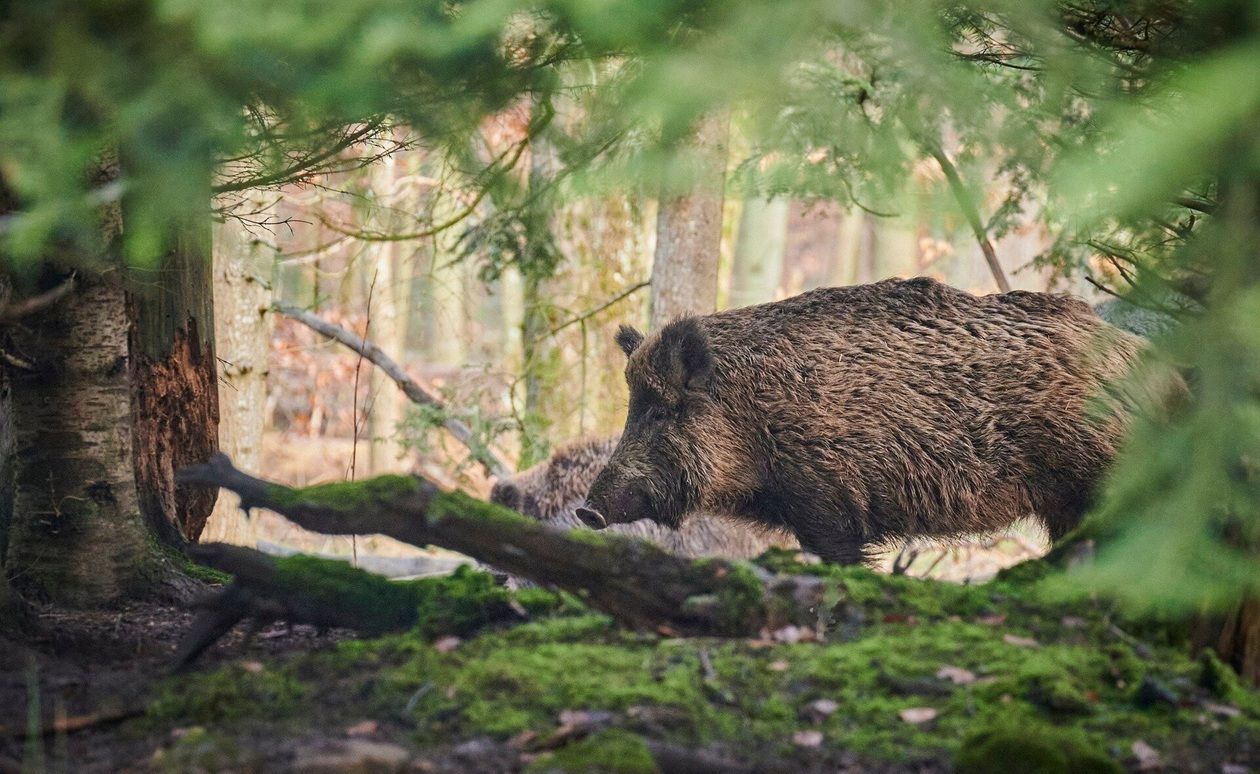


Blue Neon Meat Found in Wild Boars Raises Alert About Contamination and Health Risks
Dan Burton, owner of Urban Trapping Wildlife Control, has captured hundreds of wild boars in Salinas, California. However, even he was surprised when he opened one animal and found bright blue meat. “I’m not talking about a little blue. It’s neon blue, blueberry blue,” he reported.
Upon noticing the problem, Burton immediately notified the California Department of Fish and Wildlife and the authorities in Monterey County.
The discovery raised an alarm about possible contamination of local wildlife, especially since the unusual color may indicate ingestion of poison.
-
Flower Farms Supplying London and Amsterdam Face Backlash for Environmental Impact on African Lake, Threatening Jobs for 50,000 Workers

-
World’s Largest Container Ship Departs Shanghai with 24,000 Containers, Set to Debut in Europe in July

-
NASA Explores How Microgravity and Sensors Alter Soccer Ball Spin in Space
-
Qatar Commissions World’s Largest Gas Ship, a 344-Meter Giant Now Under Construction



Link to Poison Used in Agriculture
According to an official statement, the boars may have been exposed to the anticoagulant rodenticide brodifacoum, commonly used to control rats, mice, and squirrels.
Most importantly, this substance does not only affect targeted pests.
Larger animals and even humans can suffer from “secondary exposure” by consuming contaminated meat.
Ryan Bourbor, pesticide investigation coordinator for the department, emphasized that hunters should avoid the meat of any animal with blue fat or tissue. Additionally, it is essential to report occurrences to the authorities.
Health Effects and Risks
Studies show that brodifacoum can remain in the organs and tissues of animals for a long time.
While more than one ingestion is necessary to reach a toxic dose, the risk exists. Symptoms include lethargy and other signs of poisoning.
Another important point is that cooking the meat does not eliminate the poison. A 2011 study found that the concentration of the substance hardly changes after preparation.
Therefore, it is recommended to avoid consuming meat from areas with active rodent control programs entirely.
First Cases Identified
The department became aware of the problem in March when a hunter reported wild boars with blue muscles and fat in Monterey County. Tests confirmed the presence of brodifacoum in the stomach and liver of the animals.
Rodenticides are usually dyed to facilitate identification as poison, and this coloring can reach the prey’s tissues. However, experts warn that the absence of color does not mean the absence of contamination.
Origin of Contamination
Burton explained that the discovery occurred when his company was hired by a farmer to capture boars invading the fields. Normally, the carcasses would be donated to low-income families, but this time, the meat showed abnormal coloring.
Upon investigation, Burton noticed that the boars were trying to access bait stations for squirrels. These traps were being used to reduce the rodent population in the farmland. The animals were knocking down and breaking the boxes to reach the poison.
Even after consumption, the boars remained active since the bait was prepared to kill smaller animals.
Weighing between 99 and 198 pounds, they appeared healthy despite the internal contamination.
Slow-Acting Poison
Brodifacoum does not act quickly. In smaller animals, it can take days to cause death. In boars, tests indicated prolonged exposure, which explains the accumulation in the tissues.
Concerned, the farming company removed the traps, fearing to attract even more groups of boars to the fields. Burton noted that more than one animal has already been found in the same situation.
Legislation and Restrictions
Since 2024, the use of brodifacoum is prohibited in most of California, except for certified technicians, government agencies, or in specific agricultural areas. This measure aims to reduce impacts on wildlife.
Nevertheless, a 2018 study revealed that 8.3% of wild boars tested in the state already showed rodenticide residues. This data reinforces the authorities’ concern about indirect exposure.
Impact and Continuous Alert
The case exposed an invisible risk for those hunting and consuming meat from wild animals. While the use of poisons is a common practice in agricultural pest control, side effects can affect the entire food chain.
The blue meat of wild boars found in Monterey County is a clear sign of this impact. For Burton, who is used to dealing with wildlife, the situation is a reminder that the consequences of using rodenticides can be much broader than one might imagine.






Já começou errado o título kkkk
Quanta besteira
Wow superb blog layout How long have you been blogging for you make blogging look easy The overall look of your site is magnificent as well as the content