Portuguese
  Spanish


Oshan 520 Model Revolutionizes The Market By Adopting CATL’s Fast Swap System Without The Need For Conventional Charging
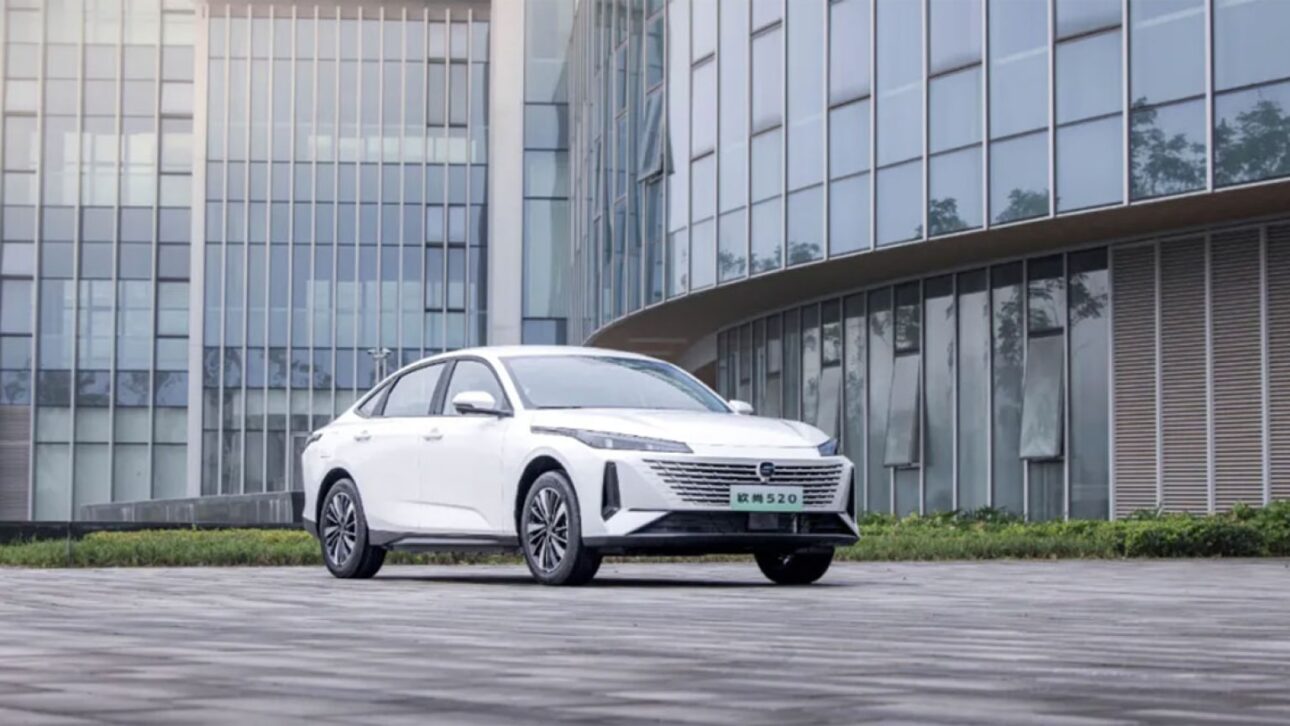
In March 2025, automaker Changan began delivering the first thousand units of the Oshan 520 electric sedan, considered the first vehicle in China compatible with the innovative Choco-SEB interchangeable battery system.
Developed by CATL (Contemporary Amperex Technology Co. Limited), this system eliminates the need for traditional charging, addressing one of the major obstacles to electric mobility: charging time.
Swapping the depleted battery for a charged one takes only 100 seconds, comparable to the time it takes to refuel a combustion car.
-
Chery Offers Lifetime Battery Warranty and Car Replacement for Major Failures Under New Chinese Regulations

-
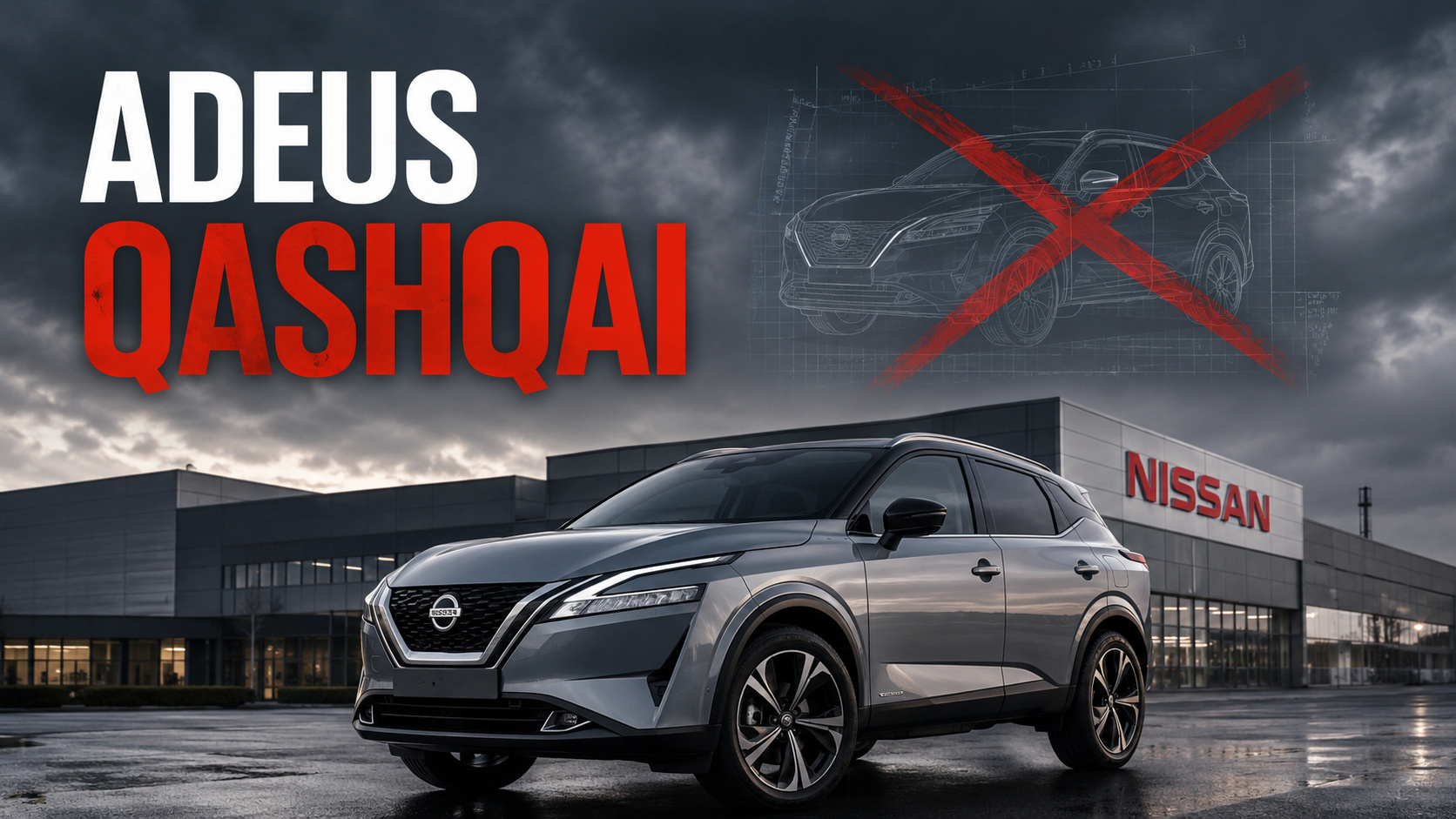
Nissan Discontinues Qashqai SUV Amid Cost-Cutting, Chinese Competition, and Product Line Review
-
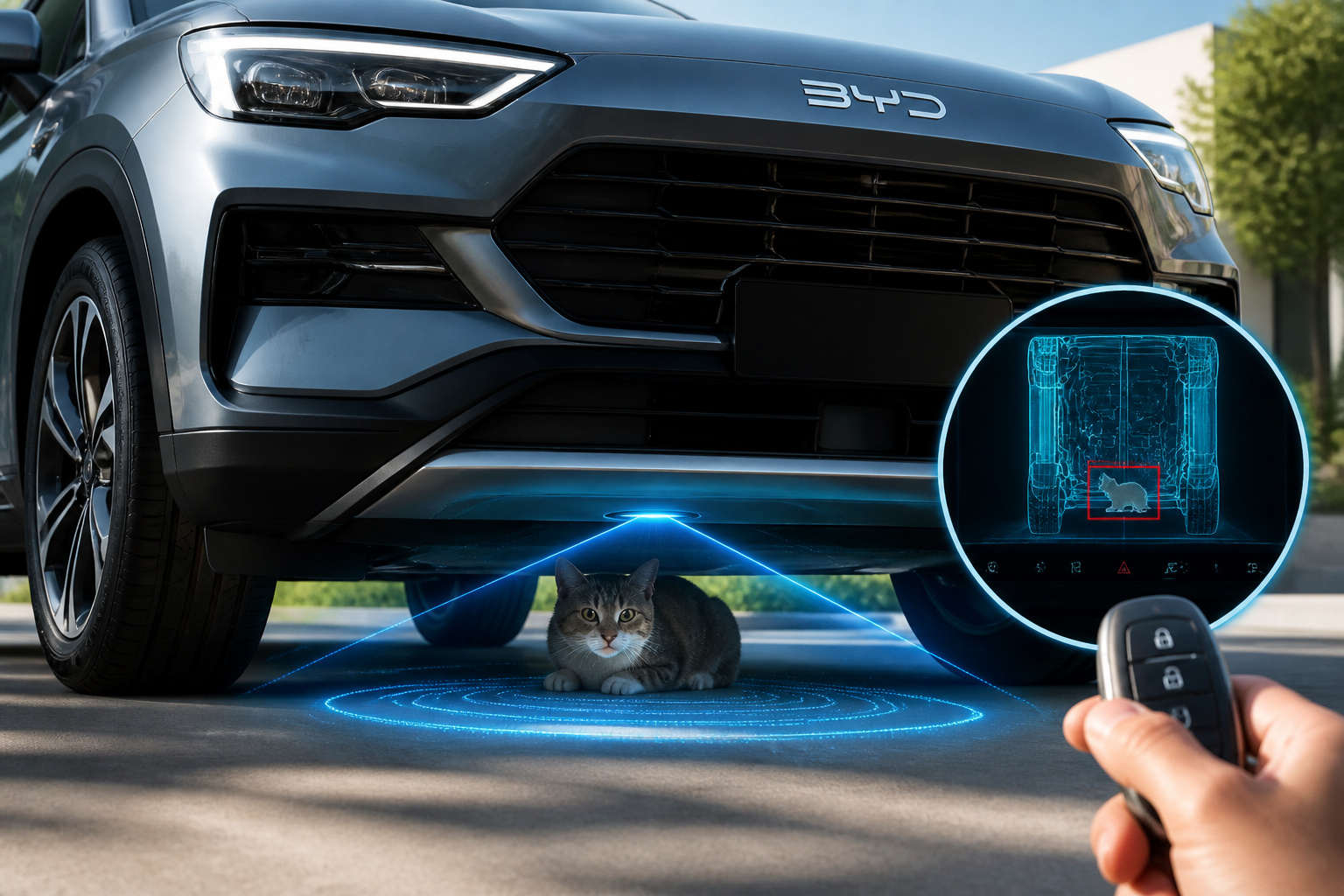
BYD Patents Revolutionary System Using Computer Vision to Detect Animals Under Cars Before Starting, Preventing Tragedies

-
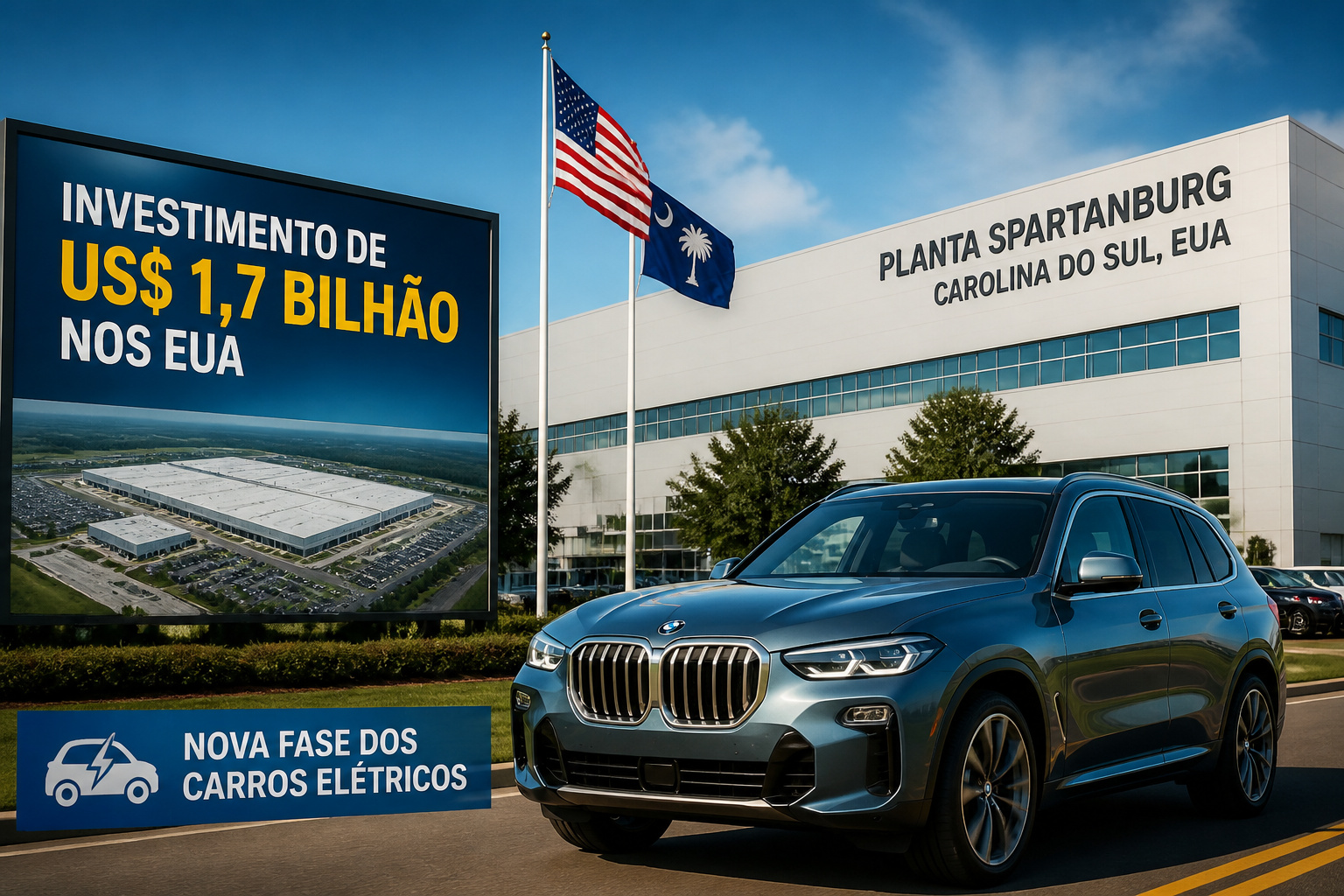
BMW Completes $1.7 Billion Investment in the U.S. for Electric Vehicle Production, Positions South Carolina for New Generation as Rivals Reassess EV Race
With this innovation, drivers can continue their journey without waiting for hours at charging points, which represents an effective solution, especially for commercial fleets and long-distance users.
The advancement demonstrates that, with the right technology, the energy transition in the automotive sector can be accelerated, promoting gains in efficiency and sustainability.
Choco-SEB: The System Behind Energy Agility
Officially launched in 2023, the Choco-SEB (Swapping Electric Blocks) system got its name due to the modular shape of the batteries, which resemble chocolate bars.
Each module is standardized, allowing for immediate replacement and integration with a cloud platform.
This platform monitors the state of health of the battery in real-time, ensuring greater safety, as well as allowing predictive maintenance and intelligent performance control.
The modularity also helps reduce operational costs, in addition to facilitating the management of the infrastructure needed to support this new form of refueling.
As a consequence, the user experience becomes more fluid, and the model proves to be highly viable for intensive use in urban centers and logistics operations.

Expanding The Network Of Stations Strengthens The Project
In order to enable large-scale swapping, CATL announced the construction of 30,000 battery swap stations throughout China.
By the end of 2025, a thousand of these units will be operational. The city of Chongqing, which received the first batch of the Oshan 520, already has 34 stations in operation and expects 16 more by December.
Each point can store up to 48 batteries, also acting as a distributed energy storage center.
All in all, these stations will have a storage capacity of up to 33.6 million kWh, integrating with smart electrical grids and solar systems.
The proposal is to transform these units into pillars of national energy balance, amplifying the impact of electric mobility on the energy system as a whole.
Sustainability And Circular Economy Are Pillars Of The Technology
Another highlight of the Choco-SEB system is its emphasis on sustainability.
According to data released by CATL itself in November 2024, when they reach levels below optimal capacity, batteries are redirected for stationary applications, such as storage in electrical grids and backup energy systems.
The recycling processes almost completely reutilize materials when they are exhausted: recycling 99.6% of nickel, cobalt, and manganese, and 91% of lithium.
In 2023, CATL recovered 100,000 tons of batteries, producing 13,000 tons of lithium carbonate.
This reuse policy ensures a more sustainable supply chain, in addition to reducing dependence on intensive mining, a practice increasingly questioned due to its environmental impacts.
Performance, Usability, And International Market Perspectives
In addition to the innovative technology, the Oshan 520 features competitive technical specifications.
The model has a range of up to 520 km on the CLTC cycle, using a 56 kWh battery and a 105 kW electric motor (equivalent to 141 horsepower).
Its dimensions include 4.77 meters in length, 1.84 meters in width, and 1.47 meters in height, with a wheelbase of 2.76 meters.
The starting price is 166,800 yuan, or approximately R$ 130,000.
Therefore, the authorities allocated the first fleet for taxi service in Chongqing, where they are already beginning to continuously test the practicality of the system.
If adoption is successful, it could thus influence other markets, especially emerging ones like Brazil, which show increasing interest in electric vehicles.
However, expansion will depend on the standardization of batteries among different manufacturers, as well as significant investments in infrastructure.
Still, due to China’s leadership in this technology, global electric mobility may move forward into a new phase.
If the market consolidates the model of interchangeable batteries, it will certainly mark a turning point and drive the popularity of electric vehicles on a global scale.