Portuguese
  Spanish


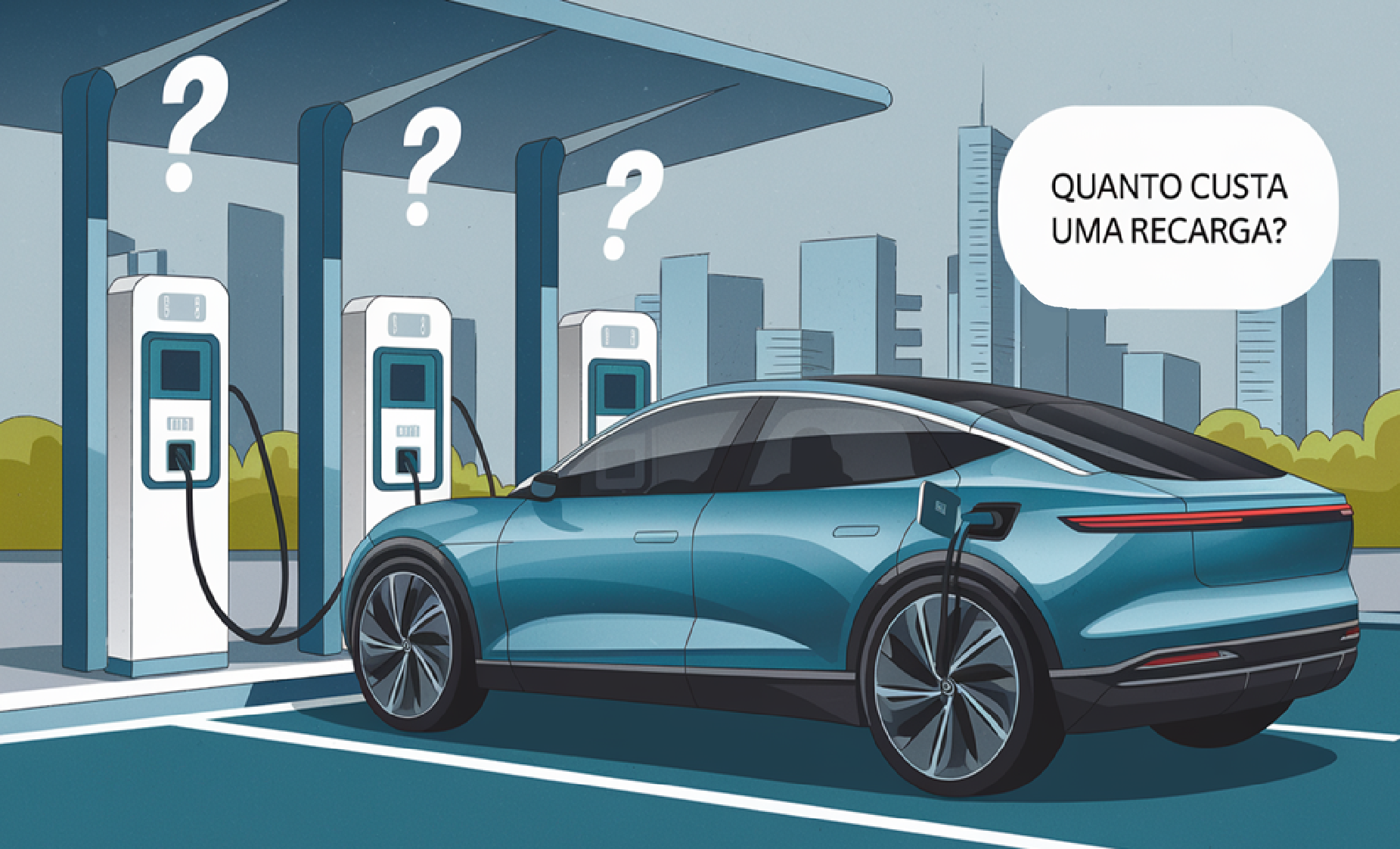

Electricity Prices, Charger Type, and Range Influence the Final Charging Cost. Find Out If It’s a Good Deal or Not!
The growth of the electric car market has sparked interest among drivers seeking more sustainable and economical alternatives.
However, a common question among consumers is: How much does it cost to charge an electric car in Brazil?
The answer depends on several factors, such as the price of electricity in your area, the battery capacity of the vehicle, and the type of charger used.
-
Sales of Brazil’s Cheapest Electric Car Halted Before First Deliveries: E-Motors Suspends Emova Easy Due to Import Tax Increase and Rising Freight Costs

-
Nissan Discontinues Qashqai SUV Amid Cost-Cutting, Chinese Competition, and Product Line Review

-
BYD Patents Revolutionary System Using Computer Vision to Detect Animals Under Cars Before Starting, Preventing Tragedies

-
Study Reveals Why Cars Are More Expensive to Produce and Buy in Brazil Compared to Mexico, Highlighting Taxes, Logistics, and Industrial Costs as Key Factors.


Knowing how these elements affect the final cost can make all the difference when deciding between an electric car or a combustion model, according to the website O Antagonista.
How Much Does It Cost to Charge an Electric Car?
The charging cost varies according to the electricity tariff. In Brazil, the price per kWh can range from R$ 0.60 to R$ 1.00, depending on the utility company and the consumption timeframe.

To understand better, imagine an electric car with a 40 kWh battery. If the tariff is R$ 0.70 per kWh, the cost to charge from 0% to 100% will be R$ 28.00.
A model with a 60 kWh battery will consume about R$ 42.00 for a full charge.
In fast chargers, found at public stations, the cost may be higher, as these services charge for the convenience of accelerated charging.
Types of Chargers and Their Impact on Cost
There are three main ways to charge an electric car, and each of them affects the final cost:
✅ Standard Outlet (Level 1) – Slowest, takes hours for a full charge, but is the cheapest option.
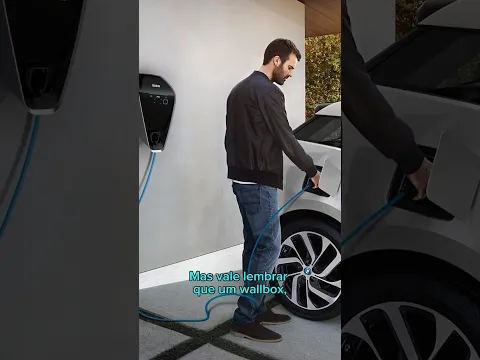
⚡ Wallbox Charger (Level 2) – Installed at home, offers faster charging at an intermediate cost.
Ultra-Fast Charger (DCFC) – Available on highways and shopping centers, can charge up to 80% of the battery in minutes, but the cost per kWh is higher.
Is It Worth It to Have an Electric Car?
Despite the charging cost, an electric car can be more economical in the long run. In addition to reducing fuel expenses, these vehicles require less maintenance and contribute to a more sustainable future.
With government incentives and the growing charging infrastructure, electric cars are becoming a viable alternative for those looking to save money and reduce pollutant emissions.
And you, have you considered switching your combustion car for an electric one? Comment and share this article!