Portuguese
  Spanish


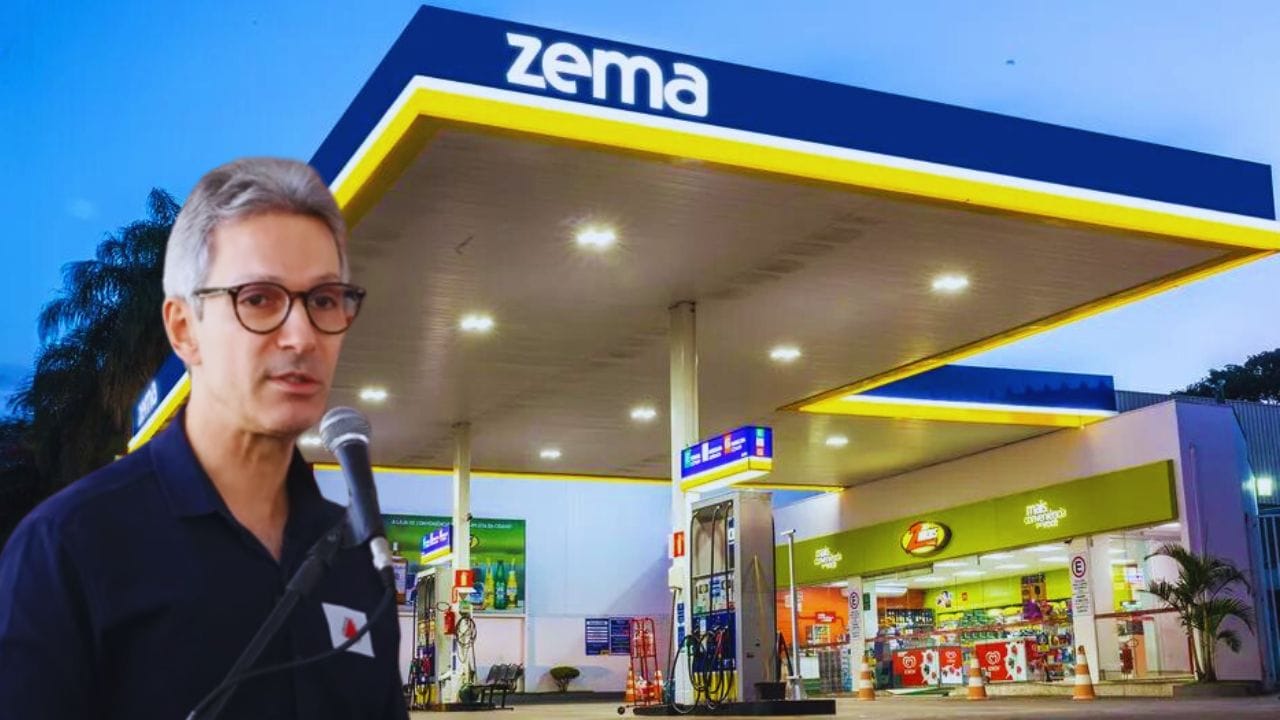

Romeu Zema Speaks Out, But Chinese Companies Are Creating Jobs and Factories for Batteries and Electric Cars in Brazil
Electric cars have been causing a stir not only in the automotive market but also in political spheres for some time now.
In a recent statement, the governor of Minas Gerais, Romeu Zema, who owns a chain of gas stations, did not hold back criticism of electric vehicles. According to him, the adoption of these vehicles would be a “threat to our jobs.”
The Clash: Imported Batteries vs. Local Jobs
According to Zema, the rise of electric cars would imply importing batteries and destroying jobs related to the combustion engine supply chain. But, the reality is a bit different.
-
End of an era in Brazil: beloved sedan by Brazilians is discontinued despite having a 2.0 engine with 151 hp, CVT transmission, 466-liter trunk, and up to 650 km of range.

-
New Law Proposal in Brazil Could Heavily Penalize Drivers: Dangerous Overtaking May Become a Serious Offense with Fines Increased Tenfold and a 12-Month License Suspension; Update on 2026 Progress

-
Electric Revolution: Watts W125 Motorcycle Offers 160 km Range, 90 km/h Speed, and Affordable Price Starting at $3,000
-
General Motors Replaces Over a Thousand Workers with 50 Cobots at Electric Vehicle Plant, UAW Union Criticizes Move Amid Industry’s Automation Push
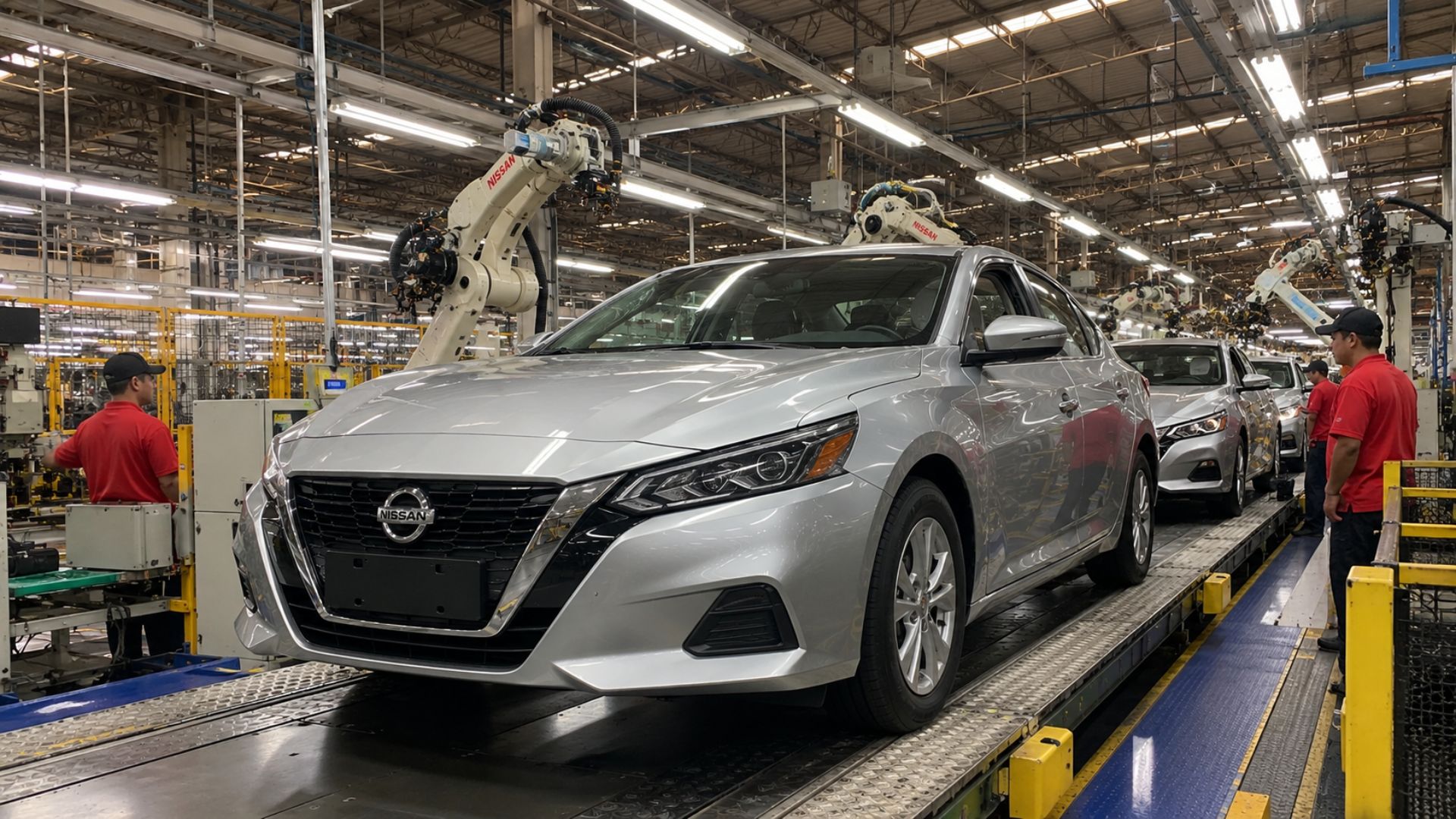


Chinese companies like BYD and GWM are not only investing in electric cars but already have factories in the country. Moreover, BYD has already inaugurated a battery factory operating in Brazil since August 2020.
The governor’s criticism contradicts itself by ignoring that BYD and GWM are creating jobs, instead of taking them away. Local battery production will increase, driven by more demand from electric automakers, generating even more jobs.
Components and Maintenance
Zema also touched on the point that electric cars require less maintenance. His view clashes with the market reality, as more than 90% of cars sold in Brazil are still combustion vehicles.
Replacement parts continue to be produced for older models, ensuring the maintenance of jobs in the sector.
Competition Heats Up in the Brazilian Market


Meanwhile, on the consumer side, electric cars are gaining popularity. The BYD Dolphin, for example, sold over 1,000 units last month.
In addition, models like the Ora 03 from GWM and the Peugeot e2008 have shown that the electric car market is competitive and offers options for all budgets.
Controversies aside, one thing is certain: electric cars are here to stay. Criticism from politicians and businessmen will not change the fact that the industry is evolving and consumers are paying attention to this. It’s the wheel of evolution, which keeps turning.