Portuguese
  Spanish


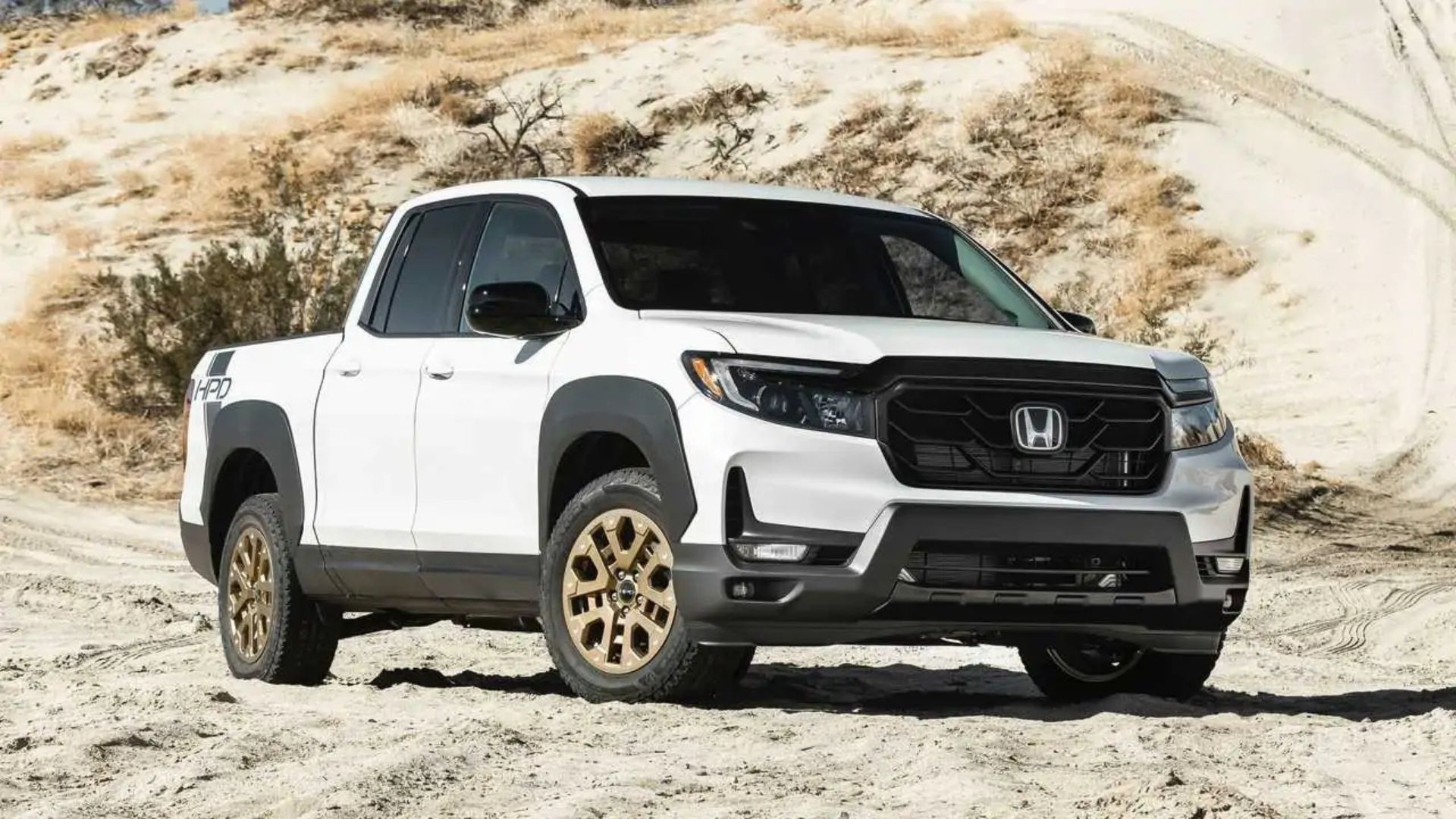

Planned pause in Honda Ridgeline production opens the way for mechanical and visual changes, in a move that repositions the pickup in the competitive North American mid-size segment and reignites the competition with established rivals, especially the Toyota Tacoma.
Honda is expected to halt Ridgeline production in the fourth quarter of 2026 and resume manufacturing the pickup in the third quarter of 2028, according to information published by Automotive News and reproduced by specialized outlets.
Rather than indicating the definitive end of the model, the pause is part of a route change to adapt the pickup to stricter emissions rules and prepare a mechanical and visual update.
The expectation is that the Ridgeline will return with a new V6 engine, more modern than the currently used set, although the available information does not yet confirm a complete new generation for 2028.
-
End of an era in Brazil: beloved sedan by Brazilians is discontinued despite having a 2.0 engine with 151 hp, CVT transmission, 466-liter trunk, and up to 650 km of range.

-
New Law Proposal in Brazil Could Heavily Penalize Drivers: Dangerous Overtaking May Become a Serious Offense with Fines Increased Tenfold and a 12-Month License Suspension; Update on 2026 Progress

-
Electric Revolution: Watts W125 Motorcycle Offers 160 km Range, 90 km/h Speed, and Affordable Price Starting at $3,000
-
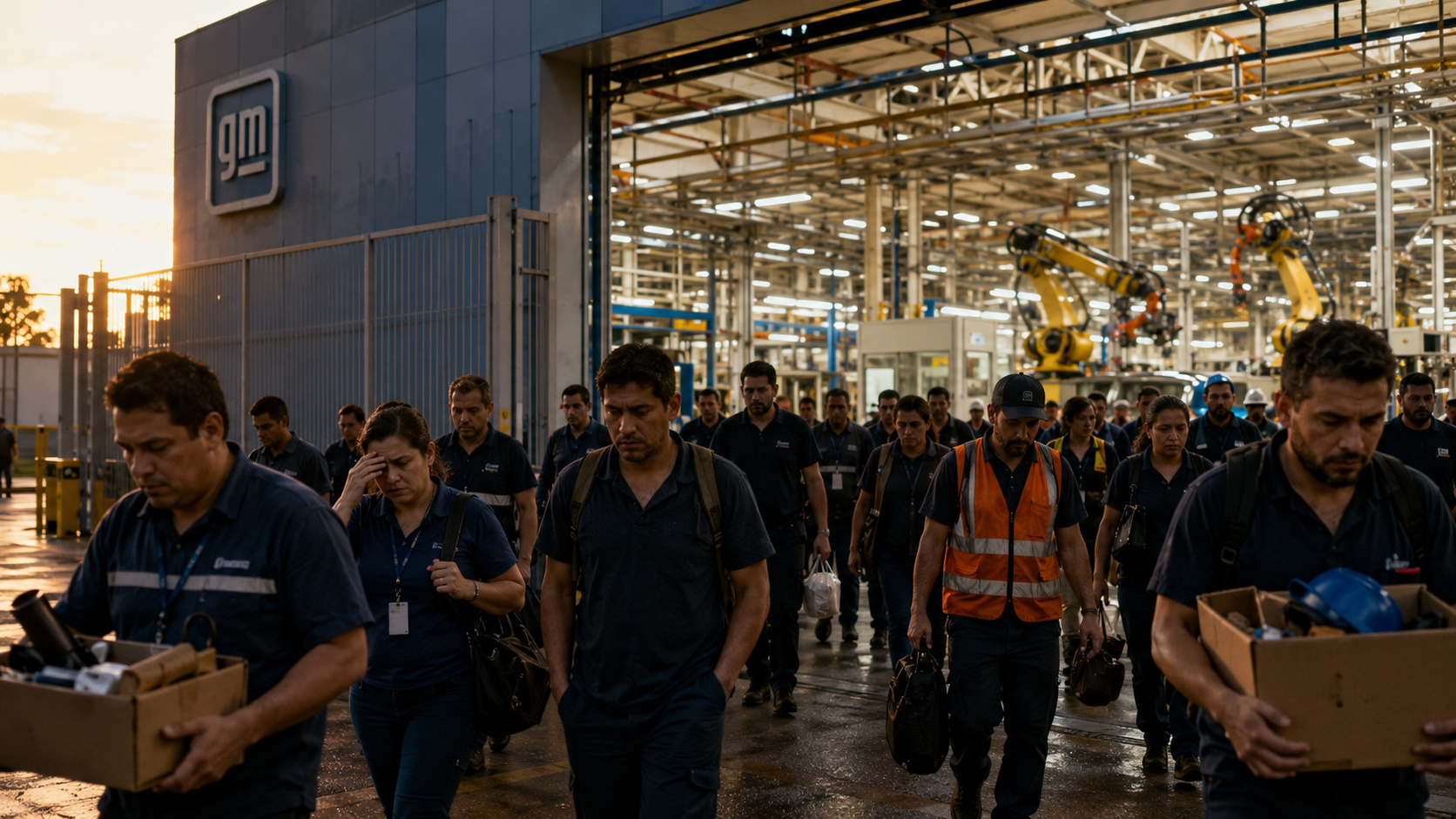
General Motors Replaces Over a Thousand Workers with 50 Cobots at Electric Vehicle Plant, UAW Union Criticizes Move Amid Industry’s Automation Push


More recent reports indicate that the next generation, already with hybrid architecture, should be expected at the beginning of the 2030s, making a deep restyling more likely upon the pickup’s return.
Honda Ridgeline will have a pause before returning renewed
Within the segment of mid-size pickups sold in the United States, the Ridgeline occupies an unusual position by adopting unibody construction, a solution closer to that used in SUVs and passenger cars.
By forgoing the traditional ladder frame chassis, present in rivals like Toyota Tacoma and Ford Ranger, Honda’s pickup reinforces a proposal aimed at family, urban, and recreational use.

Even with this less conventional approach, the Ridgeline competes for space with models of a more robust image, including Toyota Tacoma, Chevrolet Colorado, Ford Ranger, Nissan Frontier, and GMC Canyon.
The planned hiatus by Honda occurs at a time of greater pressure for efficiency and emission reduction, while the pickup still uses an older version of the brand’s V6.
In the manufacturer’s more recent models, such as Pilot and Passport, Honda has already adopted updated mechanical sets, which helps explain the need for a broader review of the Ridgeline.
According to the American press, people with knowledge of the plan stated that the new V6 will be able to meet more stringent environmental standards, but technical details have not yet been disclosed.
So far, Honda has not officially reported specifications, power, consumption, acceleration, or any hybrid technology applied to the Ridgeline expected to return to production in 2028.
New V6 should aim for efficiency and performance
Among the projects in development, Honda is working on a new generation of hybrid systems, including electrified V6 engines for larger vehicles aimed at markets where this type of setup still has demand.
The brand itself has already stated that its future systems will focus on lower fuel consumption and better response in strong accelerations, two important areas for larger and heavier models.
This data supports the expectation of mechanical evolution for the Ridgeline, but requires caution because the most reliable information indicates an updated V6 in 2028, not necessarily a confirmed hybrid yet.

For now, the new generation hybrid architecture appears associated with a later product cycle, possibly at the beginning of the 2030s, when a more profound change may occur.
In practice, the strategy allows Honda to buy time without abandoning a model that maintains a loyal audience and still offers a different alternative within a highly competitive segment.
Even aged, the Ridgeline continues with stable sales and attracts buyers interested in SUV-like drivability, a comfortable cabin, and a bed designed for everyday use.
Visual changes should also be part of the package, with a deeper restyling to bring the pickup closer to Honda’s current design language and renew its presence in dealerships.
There is still no official confirmation about dimensions, cabin, bed, versions, equipment, or trim packages that will be available when the Ridgeline returns to the North American market.
Honda Ridgeline sales lag behind Toyota Tacoma
In 2025, the Ridgeline totaled 48,448 units sold in the United States, a positive result for a mature model, but still far from the numbers recorded by the segment’s main reference.
In the same period, the Toyota Tacoma reached 274,638 units in the North American market, according to data released by Toyota Motor North America and compiled by specialized publications.
This difference shows the size of the challenge faced by Honda, as the Tacoma has established itself as a leader among mid-size pickups thanks to a broad consumer base and a varied offer of versions.
In addition to the recognition built over the years, the Tacoma benefits from a strong presence in the North American market and an image directly associated with robustness, capability, and off-road use.
Despite the lower volume, the Ridgeline has not fallen off the automaker’s radar, and the decision to pause production indicates that Honda still sees room to keep the pickup in its lineup.

Among consumers who prioritize comfort, lighter driving, and day-to-day functionality, the model continues with a different proposal from that adopted by many traditional chassis rivals.
The comparison with the Ram Rampage requires context, because the Stellantis pickup is sold in markets like Brazil, while the Ridgeline belongs to the universe of North American mid-size pickups.
Therefore, the association between the two depends more on perceived positioning and size than on direct rivalry in the same market or immediate commercial competition.
Odyssey and Passport should occupy space in the factory
During the Ridgeline suspension, Honda is expected to reorganize production to increase the volume of other models, especially Odyssey and Passport, which cater to important segments in the United States.
While the Odyssey minivan remains relevant for families, the Passport gained strength after its most recent update and has taken on a more strategic role within the brand’s North American lineup.
The 2026 Passport line received profound changes in design and positioning, with a more robust appeal and versions aimed at light off-road use.
In the first quarter of 2026, the SUV recorded 14,045 units sold, an increase of 20.1% compared to the same period before, according to data released by Honda and reported by the specialized press.
In the same interval, the Ridgeline totaled 10,980 units, a slight increase of 0.3%, a performance that helps explain the possible priority given to models with stronger growth.
With the factory adjusted to meet higher demand vehicles in the short term, Honda gains margin to prepare the pickup’s update without completely abandoning the project.
Other product cycles of the brand have also undergone recent revisions, including reports on delays in future generations of models like Accord, HR-V, Odyssey, and some Acura.
This movement is linked to market changes, development costs, and technological transition, factors that pressure automakers to choose more carefully the timing to renew each vehicle.


Pickup remains important in Honda’s strategy
Although it has not confirmed all the details of the plan, Honda told the North American press that the Ridgeline remains important in its lineup, even in the face of the unusual production gap.
The statement indicates that the pickup will continue to be part of the brand’s strategy, provided it receives sufficient adjustments to meet stricter environmental standards and newer rivals.
Instead of permanently removing the Ridgeline from the lineup, Honda is expected to use the non-production period to review mechanics, emissions, and style, preserving the possibility of a competitive return.
Launched in 2016, the second generation of the Ridgeline has undergone updates throughout its cycle and will reach the end of this stage with more than a decade in the market.
This time is considerable for a vehicle competing with rivals renewed at shorter intervals, especially in a segment that has gained new hybrid versions, off-road packages, and assistance technologies.
When it returns, the pickup will have to balance efficiency, performance, and its own identity, without necessarily abandoning the unibody approach that has always set the model apart in the North American market.
Honda doesn’t need to turn the Ridgeline into a Tacoma, but it will have to demonstrate that comfort, versatility, and everyday use can still sustain a competitive midsize pickup.
Until the official specifications are released, the safest information is that the Ridgeline is expected to temporarily go out of production at the end of 2026 and return in 2028 with a significant update.
The schedule reinforces Honda’s intention to keep the pickup alive, while the hybrid architecture appears as a later stage and not as an official confirmation for an immediate return.