Portuguese
  Spanish


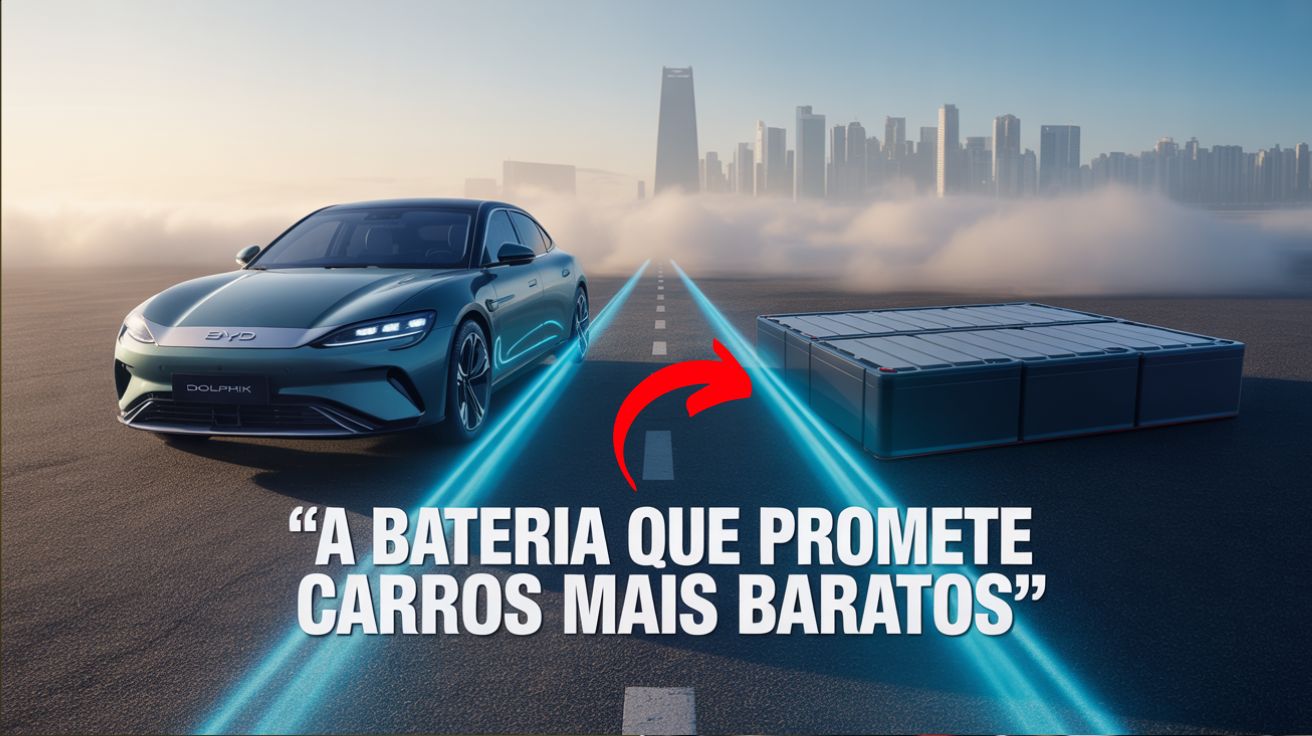

Innovative Sodium Battery Technology Promises to Reduce Electric Vehicle Costs by Up to R$ 70,000, Revolutionizing the Automotive Market with Greater Durability and Sustainability.
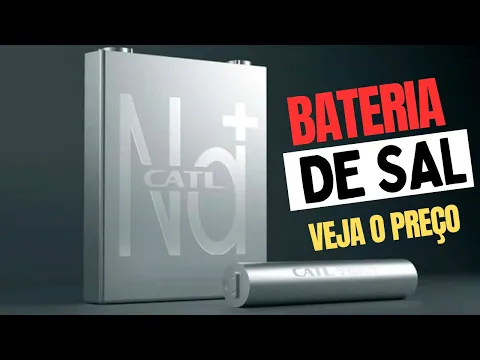
The future of electric vehicles may be about to change radically with the arrival of sodium batteries, which promise to significantly reduce the cost of basic electric cars.
According to industry experts, these new batteries, developed by the Chinese manufacturer CALT, have the potential to make electric vehicles up to ten times more affordable, bringing a reduction in the final price that may vary between US$ 8,000 (R$ 45,614) and US$ 12,000 (R$ 68,422).
This advancement represents a revolution, especially for the Brazilian consumer, who currently faces high prices for electric technology, limiting the popularization of these vehicles.
-
Off-Duty Firefighter Rescues Three Children Trapped Under Overturned Boat in Brazilian Lake

-
China Tests Giant 582-Ton Magnets to Contain Plasma Hotter Than the Sun’s Core, Aiming to Cut Superconductor Costs and Generate First Electricity from “Artificial Sun” by 2030

-
Workers near the Vatican uncover lead pipe revealing Emperor Caligula’s name and site of his opulent garden from nearly 2,000 years ago

-
Seventh Grader Builds Nuclear Fusion Machine at Home, Aiming for Guinness World Record


Sodium Battery: Superior Lifespan and Durability
One of the main differentiators of sodium batteries is their lifespan, which reaches up to 10,000 full charges — far superior to the average cycle of 1,500 charges of traditional lithium-ion batteries.
This means that vehicles will be able to run for much longer without needing a battery replacement, directly impacting durability and the total cost of ownership of the car.
In addition to greater resilience, the reduction in the price of sodium batteries is directly related to the cost of raw materials used in their manufacture.
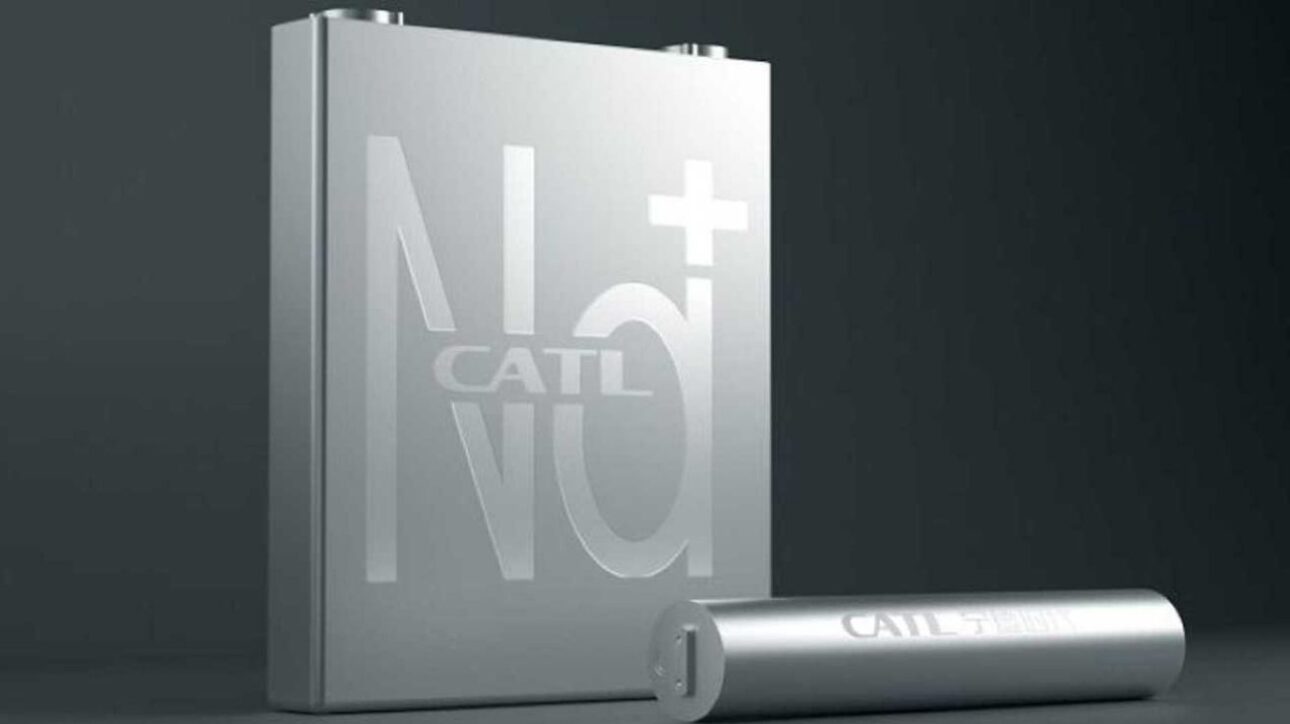
Sodium carbonate costs about US$ 200 per ton (approximately R$ 1,140), while lithium carbonate, the main component of lithium-ion batteries, can reach US$ 15,000 per ton (R$ 85,527).
This price discrepancy is explained by the abundance of sodium in nature — it is found in 90% of the Earth’s ocean basins, ensuring an almost inexhaustible source for its extraction, unlike lithium, which is scarcer and concentrated in specific regions.
Market Projections and Technological Leadership
According to a recent report from BloombergNEF (BNEF), the sodium-ion battery market is expected to grow rapidly, capturing about 12% of the global share by 2030, a move that could reshape the global electric mobility landscape.
While the United States has already inaugurated its first sodium battery factory, Natron Energy, located in Michigan, with an annual production of 600 megawatt-hours (MWh), this volume is small compared to the 30 gigawatt-hours (GWh) produced by CALT, which dominates the sector.
This difference raises a red flag for the technological race, as experts warn that the U.S. may lose ground to Chinese automakers in leading the development of next-generation electric vehicles, especially those powered by sodium batteries, which are already being tested in sedans with ranges close to 500 kilometers.
Innovations in Brazil and Technological Advances
In Brazil, the innovation is also arriving with strength.
Audi, for example, launched the Q6 e-tron, its first next-generation electric car, which features advanced technologies and above-average range for the segment.
Highlights of the model include light communication systems between the car and occupants, innovatively designed headlights, and augmented reality features that promise to transform the driving experience.
With the evolution of batteries and the launch of technological models, Brazil may follow a global trend that will make electric cars more accessible and efficient, accelerating the transition to more sustainable mobility.
However, some challenges still remain, such as the need for adequate infrastructure for fast charging and the market’s adaptation to absorb this new technology at scale.

Environmental Impacts and Sustainability
The transition to sodium batteries may also impact the global production chain, from mining to reuse and recycling of components, making this process more sustainable and less dependent on rare materials.
In addition to the impact on price and durability, the use of sodium batteries can significantly reduce the environmental impact of production, since lithium requires more aggressive processes for extraction and has a high socio-environmental impact in countries where it is mined.
With the growing global pressure to reduce carbon emissions, the popularization of electric cars with cheaper and more durable batteries becomes even more important, potentially accelerating the end of fossil fuel-powered vehicles in Brazil and worldwide.
Perspectives for the Future of the Brazilian Market
Industry experts point out that by 2035, most cars sold in Brazil could be electric or hybrid, driven by technologies like sodium batteries, which promise to improve cost, performance, and sustainability.
Do you believe that new technologies will actually be able to lower car prices in Brazil, or is the trend that we will see increasingly inflated prices here? Leave your opinion in the comments!