






 Portuguese
  Spanish


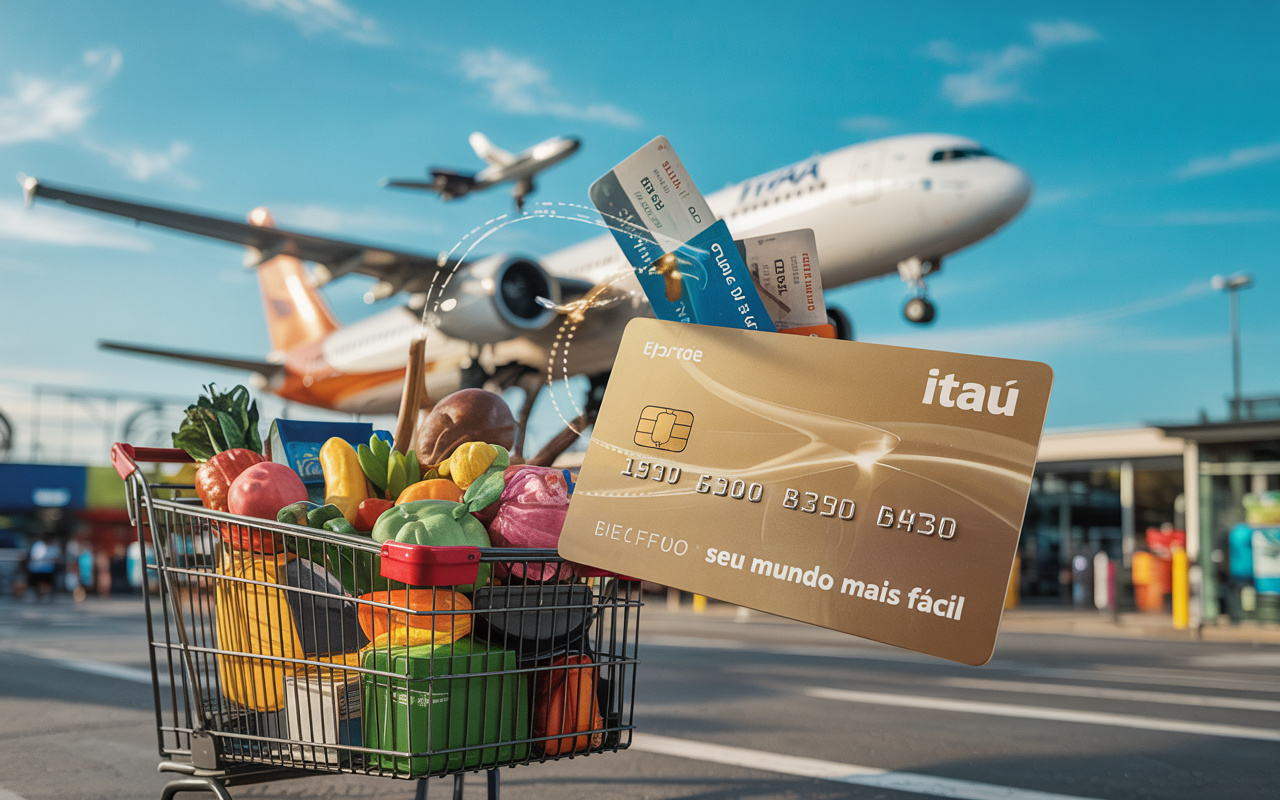


Itaú Credit Card Converts Supermarket Purchases Into Points That Turn Into International Tickets. Brazilians Can Travel More While Spending Less.
Traveling abroad has always been seen as a distant dream for many Brazilians. Expensive airfare, currency fluctuations, and high tourism costs make this desire often inaccessible. But one tool has been changing this reality: the Itaú credit card linked to the LATAM Pass program and Pão de Açúcar Mais.
The logic is simple and powerful: the money already spent daily, especially at the supermarket, starts to yield points that can be converted into miles. These miles, accumulated month after month, can be exchanged for domestic and international tickets, allowing Brazilians to turn routine purchases into travel experiences.
The result is a direct bridge from the shopping cart to boarding a plane headed abroad — without spending more to get there.
-
At 14 years old, she worked in a factory in Hong Kong, studied economics abroad, and then entered the Chinese real estate market, which helped change the landscape of Beijing.

-
While NATO secured more than $10 billion in missiles and space surveillance at a single forum, Brazil still spends 1.1% of its GDP on defense and is stalling its own anti-aircraft system.

-
Corn ethanol attracts R$ 23 billion in 21 new plants and prepares for a nearly 50% jump in Brazilian production by 2027, even with high interest rates.
-
A newly opened terminal in the middle of the Amazon has begun transporting soy and corn through Amapá, eyeing the queue of ships that is congesting the ports in the South.


How the Itaú Points Program Works
Itaú offers different cards focused on accumulating points, but the most notable are the LATAM Pass Itaú and the Pão de Açúcar Mais Itaú.
- LATAM Pass Itaú Card: each real spent on purchases is converted into points in the LATAM Pass program. These points can be transferred to partner airlines or used directly to issue LATAM tickets.
- Pão de Açúcar Mais Itaú Card: in this program, each R$ 1 spent on purchases at Pão de Açúcar supermarket generates 1 point, which can be converted into miles in full, without losses in conversion.
The big advantage lies in the high return per real spent, especially on supermarket purchases, something every family already does regularly.
Practical Example: From the Supermarket to Europe
Imagine a couple that spends, on average, R$ 3,000 per month on groceries. With the Pão de Açúcar Mais Itaú Card, this amount generates 3,000 monthly points — or 36,000 points in a year. If the customer transfers these points to LATAM Pass during promotional periods (where there are bonuses of up to 80%), the total can jump to almost 65,000 points.
This balance is enough to issue a promotional round-trip ticket to Europe in economy class. In other words: just from a year of grocery shopping, without spending anything extra, the consumer can take an international trip.
Strategic Advantages for Travelers
Besides the possibility of traveling without spending on tickets, Itaú cards offer complementary benefits that make the experience even more attractive:
- Extended validity of points: unlike old programs, points can be accumulated without the urgency to redeem them quickly.
- Transfer to international partners: customers can send their points to airlines like Delta, Iberia, or American Airlines, broadening the range of destinations.
- Recurring bonus promotions: every few months, Itaú and LATAM offer bonus transfer campaigns, multiplying the accumulated points.
- Flexibility in redemption: besides airline tickets, points can be exchanged for accommodation, car rentals, or even products.
A Program That Democratizes Travel
In the past, loyalty programs were seen as exclusive advantages for executives and frequent travelers. Today, this reality has changed. With cards like those from Itaú, any middle-class family can turn everyday expenses into trips.
The concept is one of democratization of access to international tourism: a resource that once required high income and frequent travel is now available to those who simply concentrate their monthly expenses on a strategic card.
Economic and Social Impact
This model has effects that go beyond individual consumers. By encouraging ticket issuance with points, the program helps to increase flight occupancy, strengthens the airline sector, and boosts tourism. In 2024, the Brazilian loyalty market generated over R$ 7 billion, and the trend is growth.
For Brazil, where only about 11% of the population has traveled by plane abroad, according to data from Abear, initiatives like this can increase the presence of Brazilians in international destinations, enhancing the country’s image as a more globally connected society.
The Psychology of Reward: Spend and Earn
Another relevant point is the psychological aspect. When consumers realize that their money yields something more, they begin to view purchases strategically. It’s not just paying the grocery bill; it’s accumulating points that can turn into travel memories.
This reward effect generates greater loyalty to the bank and its partner network, but above all, it creates a feeling of personal victory: traveling abroad without paying the full ticket price.
The Future of Points Programs
Itaú bets on personalization and technology to keep its cards attractive. Apps allow users to track their points balance in real-time, simulate exchanges, and even book flights with just a few clicks.
Experts believe that the future will be marked by greater integration between banks, airlines, and retail, creating ecosystems where each purchase generates some type of return. In this scenario, Itaú, with its solid partnership with LATAM and Pão de Açúcar, already occupies a prominent position.
The Turning Point for Brazilian Consumers
Be it to visit family in the Northeast, explore Europe, or fulfill the dream of getting to know the United States, the fact is that the Itaú LATAM Pass card and the Pão de Açúcar Mais have already established themselves as powerful tools for Brazilian travelers.
By allowing consumers to travel more without spending beyond what they would normally spend, the program redefines how Brazilians relate to credit cards and the act of traveling itself.
More than a financial product, it represents a social turning point, capable of transforming the purchase of rice and beans into airfare to Paris, Lisbon, or Miami.
What once seemed impossible — traveling outside Brazil without compromising the budget — is now a reality. With the Itaú card, each trip to the supermarket becomes a step closer to the next international boarding.
Ultimately, the message is clear: it’s not about spending more, but about spending better. Those who understand this logic no longer see the card only as a payment method but as a invisible passport to the world.






