Portuguese
  Spanish


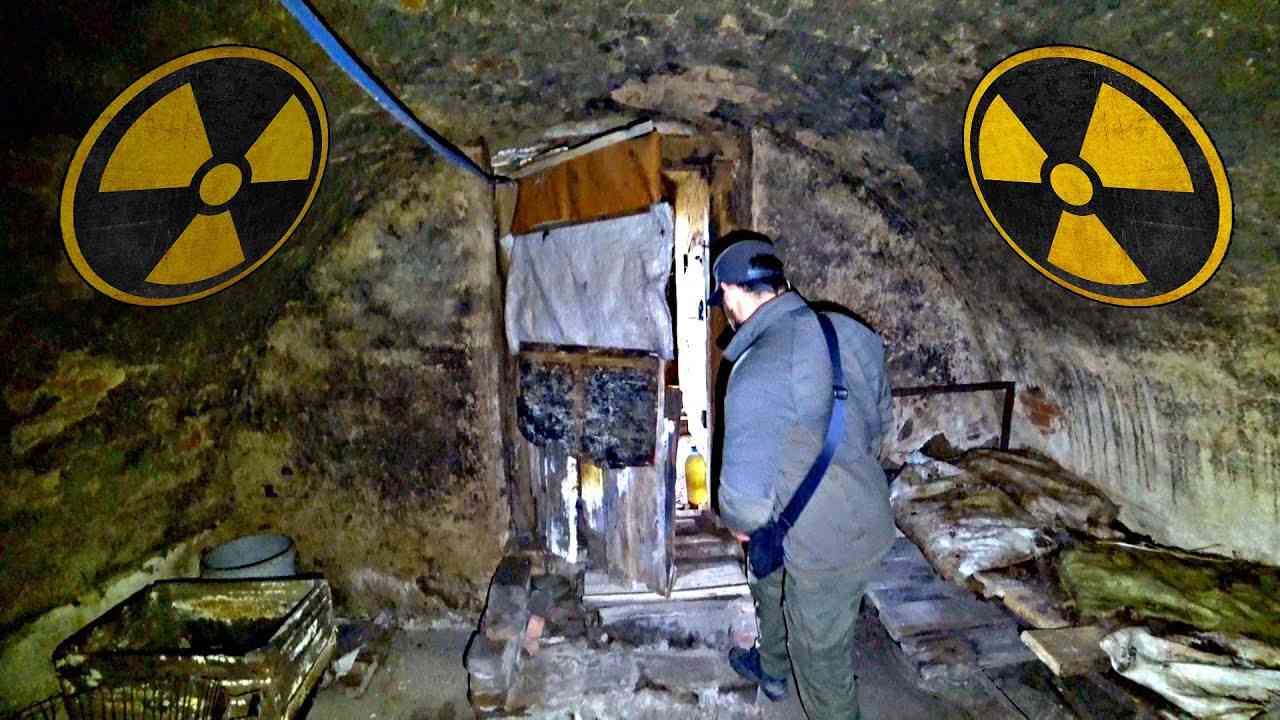


A Forgotten Village in the Chernobyl Forest Surprised Explorers by Revealing Intact Houses, Soviet Objects, and Signs of Recent Human Presence. Amid Radiation and Silence, They Found a Preserved Market, Old Food, and Even a Bottle of Wine with a Rubber Glove Cap
During a recent expedition in the Chernobyl exclusion zone, explorers found a well-preserved house on the outskirts of the city.
The exact location was not revealed. As they approached, they noticed the freezing interior and torn objects.
According to local reports, people would hide valuable items in old furniture, which would explain the damages.
-
18-Year-Old Student Designs Modular Microhouse from Fiberglass and PET to Combat Homelessness in Brazil, Plans to Live in Prototype for a Year to Demonstrate Quick Assembly

-
The Frenchman Who Brought the World Cup to Life: Overcoming Resistance and Crossing the Atlantic with the Trophy to Create Football’s Biggest Tournament

-
Archaeologists Reexamine 4,500-Year-Old Tombs in Ancient Mesopotamia, Suggesting Some Early Kings May Have Been Powerful Women
-
The North Face Co-Founder Donates Vast South American Lands to Create National Parks in Patagonia, Turning Private Wealth into Environmental Legacy



Inside the house, there was a curious item: a K-60, an old Soviet device.
However, the device seemed broken. Without power, the visitors used flashlights and observed wallpaper popular in the 1990s.
A religious icon remained untouched, while cracks took over the walls.
The structure was fragile, but still housed furniture, utensils, and even a metal bed commonly associated with the region’s “stalkers.”
Discovery of a Soviet Store
Nearby, they stumbled upon a small market, called “Coop,” a common name for cooperative establishments from the Soviet era.
The store still had shelves, price tags, and a second iron gate, indicating a security system.
The prices of the products revealed their antiquity: margarine for 75 kopecks, cookies for 45. A ledger suggested that the store was closed before the area was evacuated.
On the walls, old flags and unknown symbols raised speculations about the location’s past. A broken rat trap and an empty safe reinforced the vibe of abandonment.
The storage still contained shelves, barred windows, and an attic that the visitors preferred not to explore for safety.
A Preserved House and Still Inhabited?
The most surprising house appeared in another part of the village. Locked from the inside, it seemed untouched.
When they finally managed to enter, they found padlocks on the doors and a large amount of personal belongings, such as clothes, neatly made beds, curtains, and even a well-preserved crystal chandelier.
A calendar indicated the year 2013, suggesting that someone lived there recently. According to the explorers, perhaps relatives of former residents used the space.
The presence of clothes, personal items, and even food indicated a relatively recent occupation.
Food, Wine, and Mysteries in the Cellar
The house also concealed a traditional cellar. In ancient times, residents used these spaces to store food before the advent of refrigerators.
The explorers found jars of jelly, mushrooms, and pickles. There was also a bottle of wine with an improvised cap made from a rubber glove.
Despite the mold, the smell still reminded them of wine.
They decided not to taste it. A strange liquid in a gallon raised suspicions. “Maybe a uranium tincture,” one of them jokingly said.
Nearby, a shirt inside a bottle raised questions about its contents.
Installation of Cameras and Wild Animals
The visitors decided to install hidden cameras to investigate who still visits the house. Some believe animals, like bears coming from Belarus, frequent the area. Others suggest the presence of people.
During the camera installation, they observed an animal trail near a water puddle. One of the strategic points was the backyard of a house where music could still be heard.
With no residents nearby, the feeling was one of total freedom.
Measuring Radiation On-Site
With a Geiger counter in hand, the group decided to measure radiation near a campfire.
To their surprise, the level ranged from 14 to 18 microsieverts, lower than in Kyiv, they reported. This indicated that the area, despite being in the exclusion zone, showed levels considered normal at that moment.