






 Portuguese
  Spanish


British Couple Cultivates Wollemia Nobilis Tree in Wichenford, Rare Seeds Worth Up to £5 Thousand and Proceeds Will Be Donated to Charitable Institutions
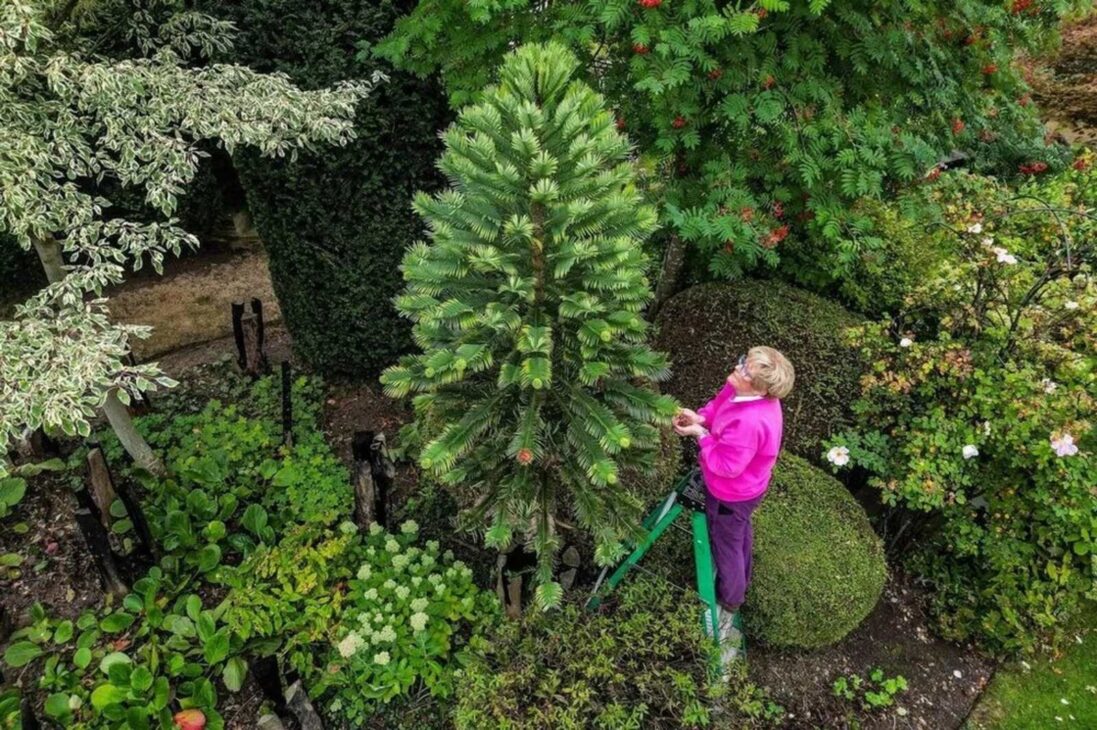
A British couple was surprised by the results of a rare tree planted in their backyard. Pamela and Alistair Thompson, residents of Wichenford in England, purchased a specimen of Wollemia nobilis in 2010 for £70, equivalent to R$ 512.60. The species, known as the Australian “dinosaur pine,” has existed for more than 90 million years and was once considered extinct.
Rare Tree Begins to Produce Seeds
Planted 15 years ago, the tree recently started producing seeds. Each one can reach up to £10, approximately R$ 73.20.
The first five cones found in the garden yielded hundreds of seeds, surprising the couple with the quantity right in the first year of fruiting.
-
Shell Discovers Intact Early 19th-Century Wooden Shipwreck in the Gulf of Mexico at Over 1,300 Meters Deep

-
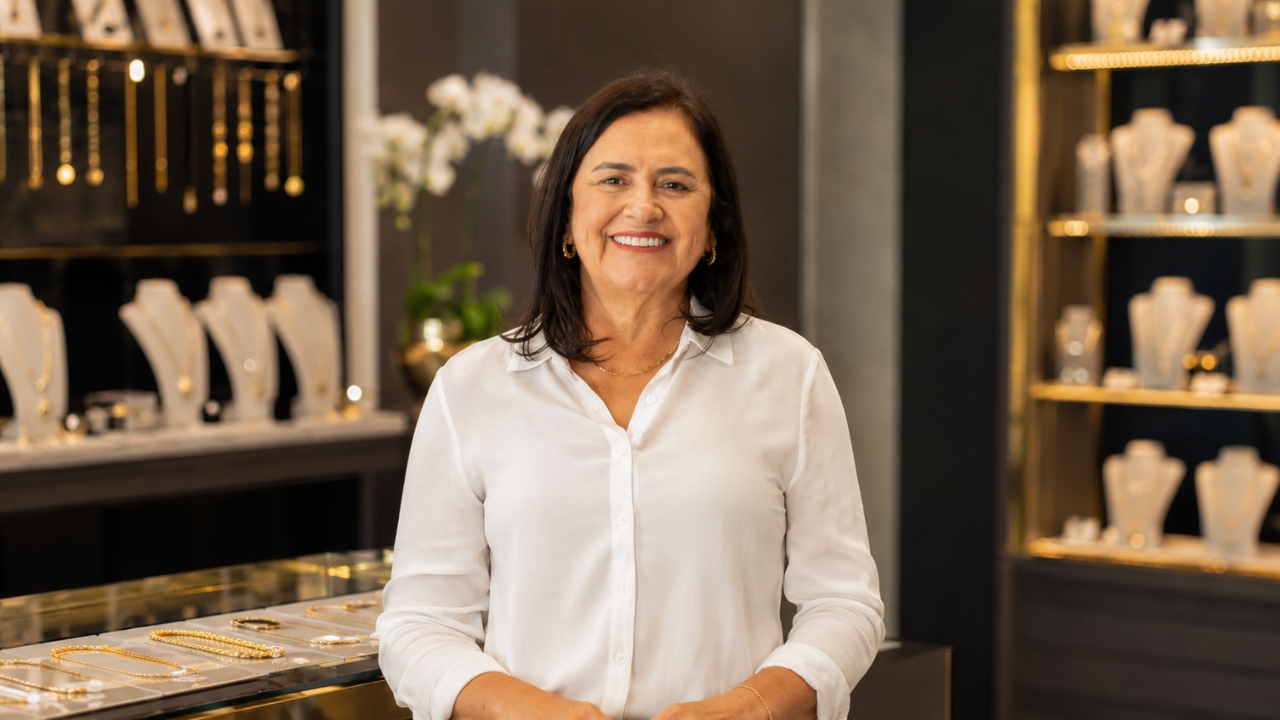
Brazilian Entrepreneur Turns Door-to-Door Jewelry Sales into a Family Business Empire with Over 70 Stores

-
$75 Million Bridge in Brazil Opens to Connect Cities, Create Jobs, and Cut Travel Time from 30 to 2 Minutes; Spanning 1.24 km, It’s Among the Country’s Largest and Ends Decades of Ferry Queues.
-
Brazilian Farmer Builds 8-Ton Tractor from Army Truck Engine, Plants Over 100 Hectares of Soybeans



The cones vary in size, and some of the larger ones can contain about 100 seeds. Therefore, the total yield from the harvest may exceed initial expectations.
Profit Potential and Preservation
While the current production could yield up to £5,000, equivalent to R$ 36,600 at the current exchange rate, the couple has other plans. They intend to sell each seed for only £1, equivalent to R$ 7.32.
In addition, the goal is to raise funds for charitable organizations and make the plant more accessible to the public.
As it is a critically endangered species, the expectation is that the cultivated seeds may directly assist in preserving the dinosaur pine.
Garden Open to the Public
On Sunday, August 24, Pamela and Alistair opened the garden to the public as part of the National Garden Scheme.
The British program encourages visits to private gardens for charitable purposes and attracts curious individuals to learn about rare species.
Additionally, the couple’s initiative combines preservation, solidarity, and the opportunity to bring the population closer to a tree that has survived for millions of years and now flourishes in British soil.
With information from Casa e Jardim.
Do You Like Curious Cases? Then You Might Like: Bars in Japan Decided to Sell Slaps in the Face
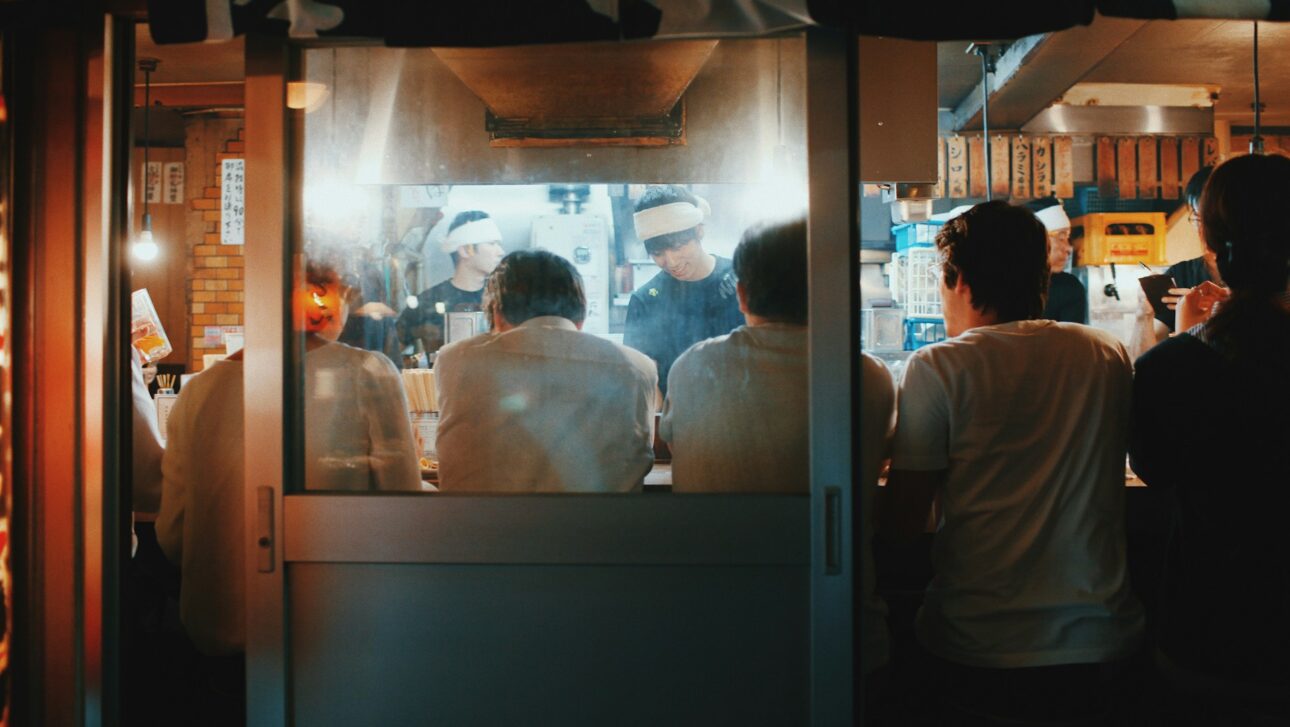
In bars, people seek different experiences. Some just want to drink, others prefer to meet friends, and there are those who seek luck in love. In some places, there was an unexpected option: pay for a slap to “regain sobriety.”
This was the proposal of a traditional Japanese chain until recently. For a low price, about three euros, attendants offered striking and memorable slaps. The idea seemed eccentric, but it had a space on the menu of izakayas, typical bars in the country.
Slaps à la Carte
On a regular bar menu, you find soft drinks, beers, and some snacks. Therefore, it’s curious to imagine a list with slaps à la carte. Yotteba, famous for its chicken wings and beer, offered just that.
According to reports from the Independent and the South China Morning Post (SCMP), until two months ago, the chain allowed customers to pay to receive a “binta,” the name given to a slap in the face.
The news generated surprise, but it wasn’t an invention. There were even videos on social media showing people sitting still, waiting for waitresses to slap them, while friends applauded and laughed.
A Slap, 19 Reais
The prices were well defined. To receive a slap from any attendant, it cost 500 yen, equivalent to R$ 19.
There was also the option to choose who would deliver the slap. In this case, the cost increased by 100 yen, about R$ 4 extra.
Thus, for less than R$ 25, a customer could leave the bar with the mark of their favorite waiter’s hand printed on their cheek.
The reason, according to the company itself cited by the SCMP, was simple: to provide a method to regain sobriety after overindulging in sake or beer.
Tracing Back to the 19th Century
The term “binta” has a history. The Independent explains that its origin traces back to the Kagoshima region in southern Japan.
Initially, it meant “head.” Over time, between the 19th century and the early 20th century, during the Meiji era, it became associated with blows given by the police to criminals.
Despite these roots, the term gained new ground in lighter contexts, such as hospitality. In videos, the slaps are delivered amid laughter, in a relaxed environment, as part of a curious scene from bar culture.
A Business with Weak Points
However, the unusual idea did not take off. Yotteba decided to end the slap service in October. The chain justified the change due to demand and image concerns.
“We’ve been doing this for over two years in our restaurants, but it didn’t seem very popular,” said a spokesperson to This Week in Asia. Additionally, they explained that the company is growing and wants to change its image.
According to outlets like the SCMP, there was even a report of injuries. This may have accelerated the end of the practice, even though the tone was described as “playful.”
Other Similar Experiences
Yotteba was not the only one exploring this curiosity. Before the pandemic, the Shachihoko-ya chain also offered slaps to its customers.
The initiative gained traction on social media, with viral videos of people receiving slaps amid laughter.
The company discontinued the service, but in 2023, the videos resurfaced and circulated even in outlets from Europe and the USA.
The management had to reinforce that the current menu includes only food and drink, nothing of slaps.
Another example was the Nagoya Lady’s Slap. In this case, the price was 300 yen, around R$ 11. The customer received the slap from a waitress dressed in a kimono.
If they preferred who would deliver the slap, they paid an extra fee, following the same logic as Yotteba.
Curious Yes, Strange No
The practice generated astonishment outside of Japan, but it wasn’t exactly a novelty within the country. Amid applause and laughter, many customers recorded the moments in videos shared on social media.
However, the companies in the sector ended up abandoning the service. The bars decided to preserve their image, focusing on more traditional menus.
The case of “binta” shows how even the simple act of drinking can have eccentric versions. Slaps on demand have exited the scene but left behind memories of a curious trend in Japanese bars.
With information from Xataka.



Como comprar a semente