Portuguese
  Spanish


Researchers monitored a mid-ocean ridge in the Indian Ocean opening in April 2024, after installing more than 20 measurement stations in an area of 100 kilometers. The event moved parts of the oceanic crust apart, released lava, and showed how new rocks form in the depths of the planet.
The ocean floor was observed opening in real-time for the first time during an event recorded at a mid-ocean ridge in the Indian Ocean. The movement separated parts of the marine crust by two meters in a few days.
According to the journal Nature, the episode released about 160 million cubic meters of lava onto the seabed. The discovery was described in the journal Nature and surprised researchers by the scale of the displacement and the intensity of the volcanic activity.
Ocean floor opened in front of the instruments
The observation occurred at the Southeast Indian Ridge, a submarine structure that cuts across the Indian Ocean floor in an approximate east-west direction. This chain separates the Antarctic plate from the Australian plate.
-
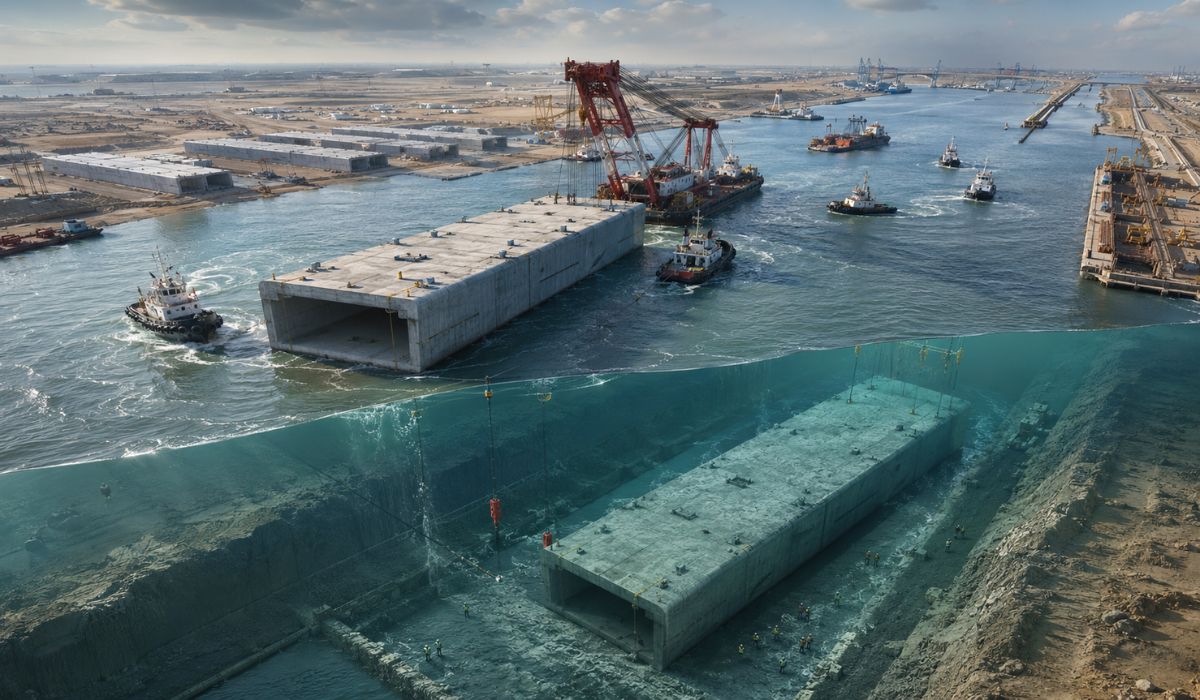
Iraq floats and sinks under an arm of the Euphrates 10 giant concrete boxes of 46,000 tons and 125 meters each to assemble a 2.4 km submerged tunnel and open a new land route between Asia and Europe.

-
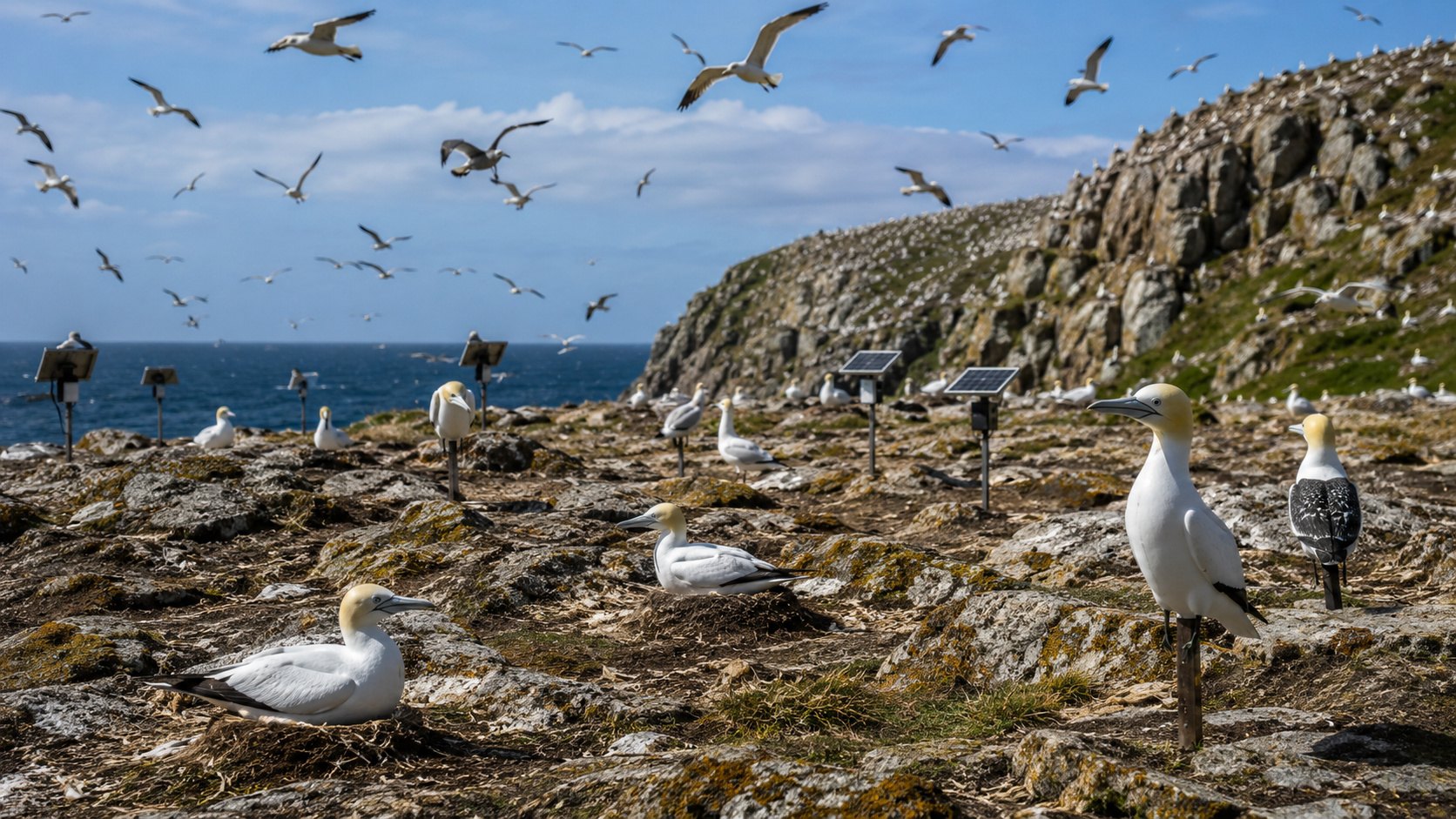
Scientists use more than 20,000 artificial birds and solar speakers to “trick” seabirds, reactivate nesting routes, and revive a colony on an island that seemed abandoned.

-
She spent 73 years breathing inside an iron lung, survived the aftereffects of polio, and became the last woman in the United States dependent on the equipment before dying at 78 years old.
-
Brazilian students created a $1 filter using pine bark, cotton, and 3D-printed parts to clean cassava wastewater, reduce the toxicity of a hazardous waste, and transform contaminated water into biofertilizer.


These plates move apart at about six centimeters per year. The movement is mainly associated with the displacement of the Australian plate to the north, but not all the crust moves continuously.
In some sections, parts of the plate can remain almost stationary for a period and then release movement, accompanied by earthquakes. This was precisely the type of event the team sought to monitor.
In February 2024, the researchers installed three types of instruments along a region of about 100 kilometers of the ridge. The network included more than 20 measurement stations on the seabed.
Seismic signals began in April 2024
Five hydrophones were used to capture underwater sound waves, including those produced by tremors. The team also installed 15 acoustic beacons, battery-powered equipment positioned on structures on the seabed.
These beacons emit and receive sound signals. Every four hours, they exchanged information with each other and measured the time needed for the signals to be sent and returned.
With this, the researchers monitored changes in distance between the equipment. On April 26, 2024, the hydrophones began recording tremors in the monitored region.
In the following days, data from the beacons showed that some stations had moved at least two meters. The movement indicated that the oceanic crust was expanding in that section of the ridge.
Lava, subsidence, and unexpected displacement
In addition to lateral movement, a pressure sensor measured a significant change in the depth of the seabed. Lava rose from beneath the crust and spread over the ocean floor.
This volume would have emptied a magma reservoir accumulated along the ridge zone. With the loss of material inside, parts of the seabed sank.
The expectation was to record only a few centimeters of vertical displacement. However, the measurement indicated 4.2 meters, a value much greater than the team expected.
The movement released the equivalent of three to six decades of accumulated tension in this segment of the ridge. This tension came from the stretching caused by the northward movement of the Australian plate.
Essential Earth process was seen live
The mid-ocean ridges are responsible for creating the oceanic crust, which covers almost two-thirds of the planet. There, magma rises, cools, and solidifies, forming new seabed.
This mechanism was generally understood since the mid-20th century. Even so, it had not yet been directly observed in real-time, with instruments recording the movement and eruption.
The observation offers a rare view of processes that shape the Earth’s surface far from the continents. It also helps to better understand the frequency, magnitude, and dynamics of submarine eruptions.
The case shows that an important part of the planet’s geological activity happens far from human sight. At the ocean’s bottom, plates move apart, earthquakes occur, and new rocks continuously form.