






 Portuguese
  Spanish
  2 min of reading
  0 comments


The First Wheat Ethanol Plant in Brazil
With an investment of over R$ 100 million, CB Bioenergia is building a pioneering ethanol plant from wheat in Santiago, RS. The plant, which will be inaugurated in December, aims to transform the local economy and contribute to sustainability, reducing carbon emissions and meeting the demand for biofuels.
Environmental Challenges and Economic Potential of Santiago
Located in the Jaguari Valley, Santiago relies on the agribusiness sector and saw its GDP grow 40% in 2022. However, the city faces environmental issues; according to SEEG, it emitted 1.2 million tons of greenhouse gases in 2022. Thus, the plant emerges as an opportunity to diversify production, promote sustainability, and mitigate environmental impacts.
Positive Economic and Environmental Impacts
The plant, with a capacity to produce 12 million liters of hydrated ethanol per year, promises to boost the local economy while also reducing carbon emissions. Utilizing wheat planted in the winter, it will prevent soil idleness, combating degradation and bringing new economic benefits to farmers.
-
US$ 7 billion, green hydrogen, and steel with up to 95% less CO₂: the first green steel plant on the planet emerges in Sweden and targets Brazil as the next chapter

-
Swedes manage to create synthetic fuel with CO₂, water, and renewable energy, compatible with current engines, but face a huge problem: the energy expenditure is still double the return.
-
Brazil begins to transform wheat, residues, sweet potatoes, and soy molasses into ethanol, in a new phase of biofuels that seeks to utilize leftovers from the field and industry to fuel flex-fuel cars.

-
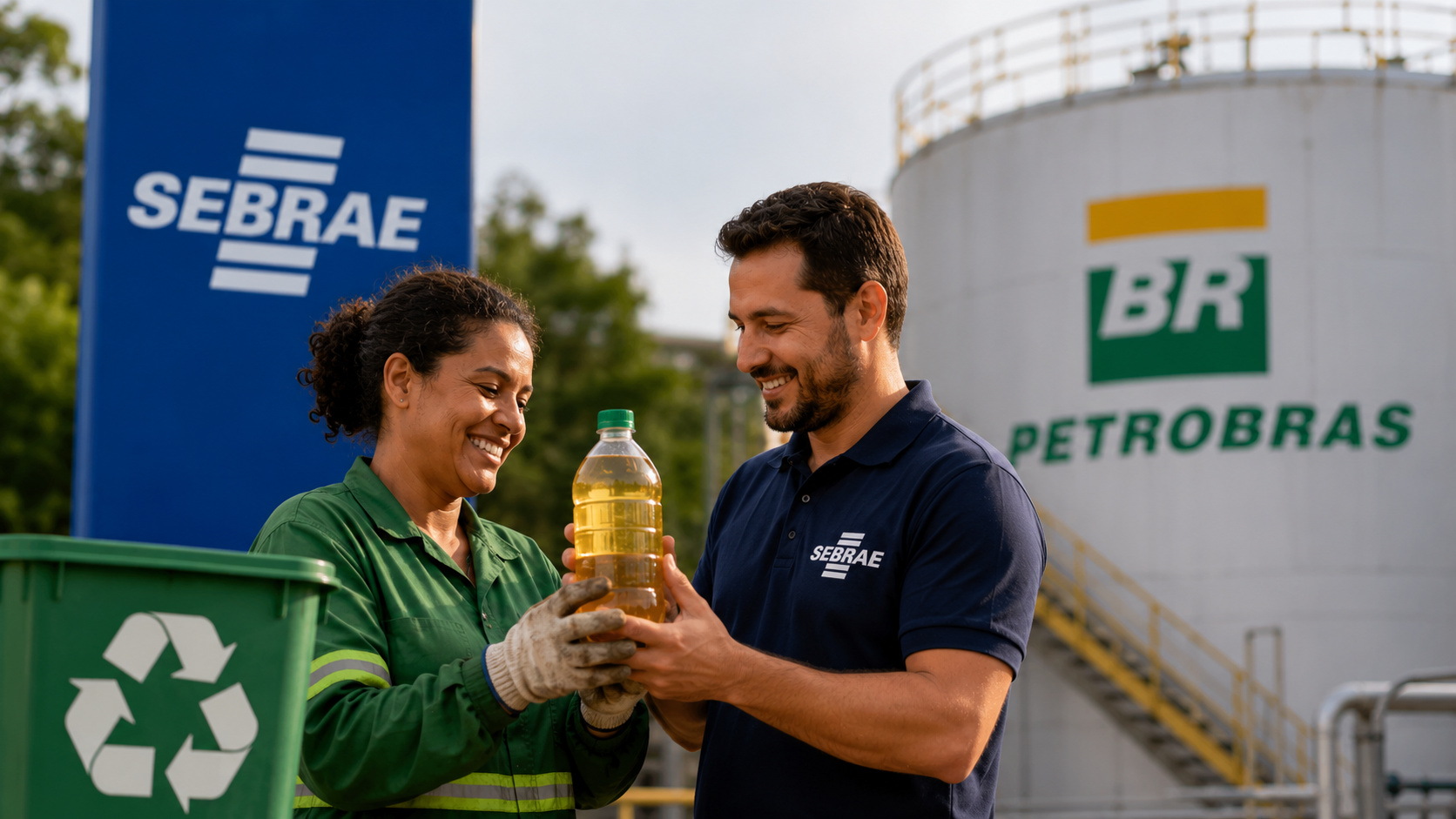
Sebrae and Petrobras join forces in Ceará to include waste pickers in the circular economy and strengthen the biofuel chain, creating new income opportunities and expanding the sustainable use of waste with a direct impact on regional development.




Diversification with Innovative Technology
In addition to wheat, CB Bioenergia will use other raw materials such as sorghum, triticale, rice, and corn, expanding agricultural opportunities. Therefore, to ensure supply, the entrepreneurs will use their own plantations, which guarantees self-sufficiency and promotes a more diverse and resilient agricultural economy.
Sustainability and Circular Economy in Action
The plant is aligned with the “Pila Verde” project, which encourages composting and recycling, allowing residents to exchange waste for natural fertilizers. Thus, this initiative, which has already attracted the attention of FAO, creates a model of circular economy, promoting sustainable agricultural practices and strengthening the local community.
Why Is the Plant Important for the Future of Biofuels?
The plant reduces emissions, encourages productive land use in winter, and offers new sources of income. Additionally, it strengthens innovation with a production adaptable to various raw materials, positioning Santiago as a reference in the biofuel sector and promoting sustainable development.
The wheat ethanol plant of CB Bioenergia marks a sustainable advancement for Rio Grande do Sul. With a robust investment and innovative technologies, the project promises to transform agriculture in Santiago, promoting a model where economy and environment work together towards a greener and more resilient future.







Be the first to react!