Portuguese
  Spanish


China Is Leading The Global Race For Electric Cars — And It’s Not By Chance. According To An Automotive CEO, The Asian Country Dominates The Segment Thanks To A Combination Of Strategic Investments, Efficient Production, And Strong Government Support. The Executive Points Out Lessons That The Rest Of The World Needs To Learn To Avoid Falling Behind In The Energy Transition.
China is leading the race for electric cars. While other powers are still trying to find the way, the Asian country has accelerated without looking back. For RJ Scaringe, CEO of Rivian, the reasons are clear. And, according to him, the rest of the world has much to learn from this.
The difference between China and the United States is glaring. Scaringe points out a simple number, but one that explains a lot. In 2023, electric cars represented 8% of sales in the U.S. In China, the number reached 45%. That’s almost six times more. And it doesn’t stop there.
Europe, while viewed as modern, also lags behind. The Chinese electric market is three times larger than the European one. This shows how China has indeed become a global leader in the sector. And it also explains why companies from outside, like Rivian itself, are still crawling.
-
Renault Kwid Outsider 2023: Affordable Used Hatchback with 1.0L Engine, 15.7 km/l Efficiency, and Ample Cargo Space for Around $11,000

-
Chevrolet SUV Offers 153 hp Engine, 620 km Range, and ADAS Features at a Lower Price Than a New Kwid

-
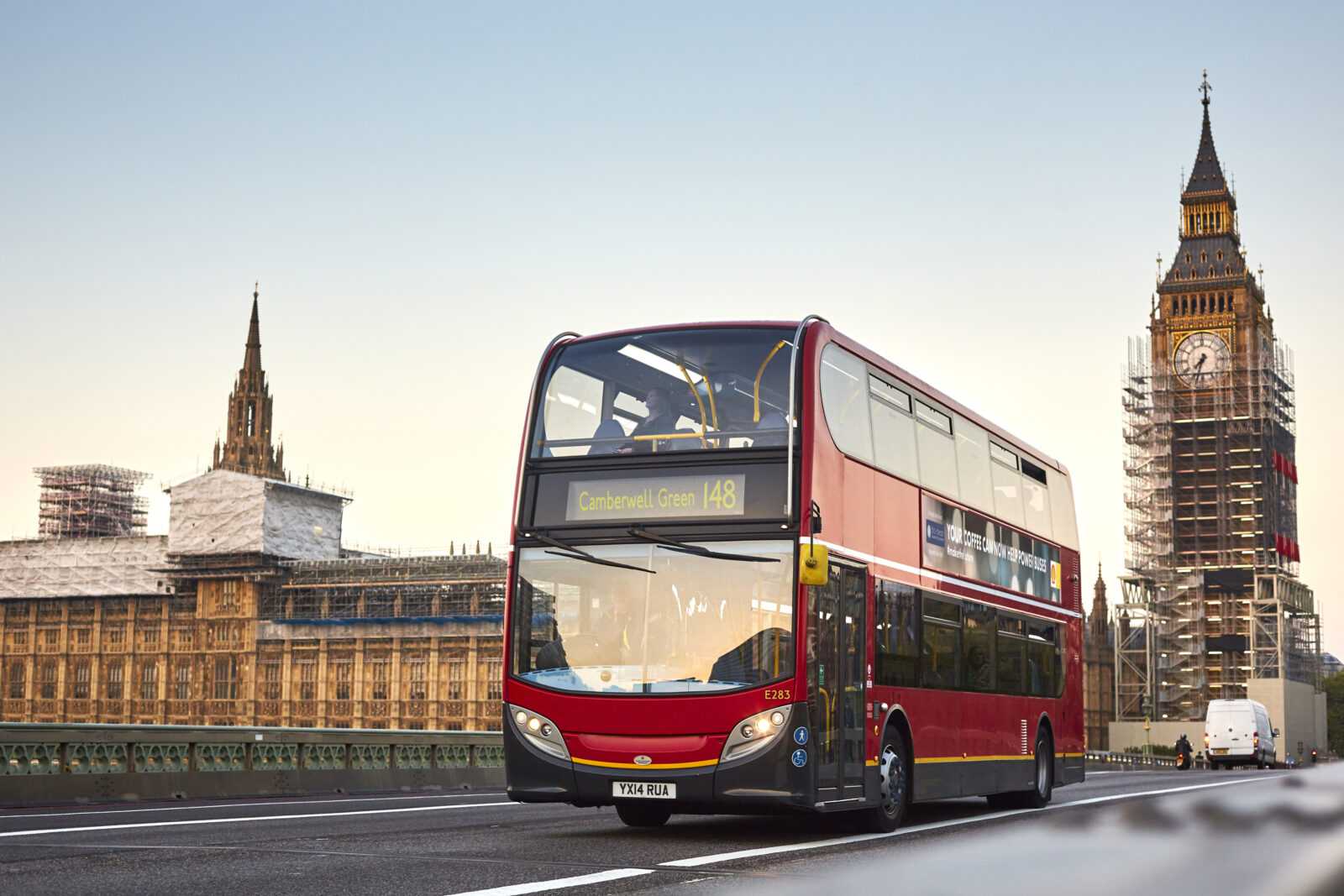
London buses run on biofuel made from coffee grounds, turning café waste into sustainable public transport fuel without engine modifications.

-
Major Automaker Considers Closing 4 Factories, Putting 45,000 Jobs at Risk Amid Chinese Competition in Brazil


The Secret Is In The Pace
For Rivian’s CEO, the main reason lies in the speed. China doesn’t stop. It innovates, tests, develops, produces, and launches. All in record time.
Chinese manufacturers introduce new models to the market at a high frequency. This generates a chain effect: prices drop, consumers gain more options, and the market grows even more.
In the United States, the supply is still limited. Scaringe acknowledges that, apart from Tesla, there are few viable and affordable options.
In China, however, there are dozens of electric models at competitive prices. This gives consumers more choice. And this pressures brands to offer more for less.
Rivian Wants To Grow
Even with a small market in the U.S., Rivian has ambitious plans. The company became famous after closing a contract with Amazon to supply 100% electric delivery vans.
With this, it gained notoriety and managed to launch its first cars: the Rivian R1T and R1S.
These models have been well received. They are seen as interesting alternatives to Tesla, although the market gap is still enormous.
Now, Rivian wants to take a new leap. It is working on the development of the R2 and R3 models. They will play a key role in the company’s expansion, both in the United States and in Europe.
For the first time, Rivian plans to export to the Old Continent. The idea is to compete not only with Tesla but also with Chinese brands that are beginning to position themselves outside of Asia. Scaringe knows that the success of the R2 will be decisive for this. But, according to him, that alone is not enough.
The China Factor
An important point highlighted by Rivian’s CEO is the support from the Chinese government. This may be the hardest difference to replicate. Scaringe claims that automotive companies in China have heavy financial support from the government. This allows them to focus on what matters: developing, innovating, and producing.
While in the United States, companies need to balance their accounts and deal with market risks, in China the situation is different. With guaranteed funding, automakers have the freedom to grow without fear. This skews the balance.
To try to contain this advance, new import taxes have begun to emerge. But, according to Scaringe, just tariffs will not be enough. The market needs more options. It needs new brands, new models, and lower prices.
“We need the R2 to succeed. And we need another 10, 15, 20 options to really grow the electric market in the U.S.,” says the CEO.
The current scenario shows that China is several steps ahead. And if competitors do not move quickly, this gap is only expected to widen. For Rivian and other brands, the race is not just for innovation. It’s a race against time.