Portuguese
  Spanish


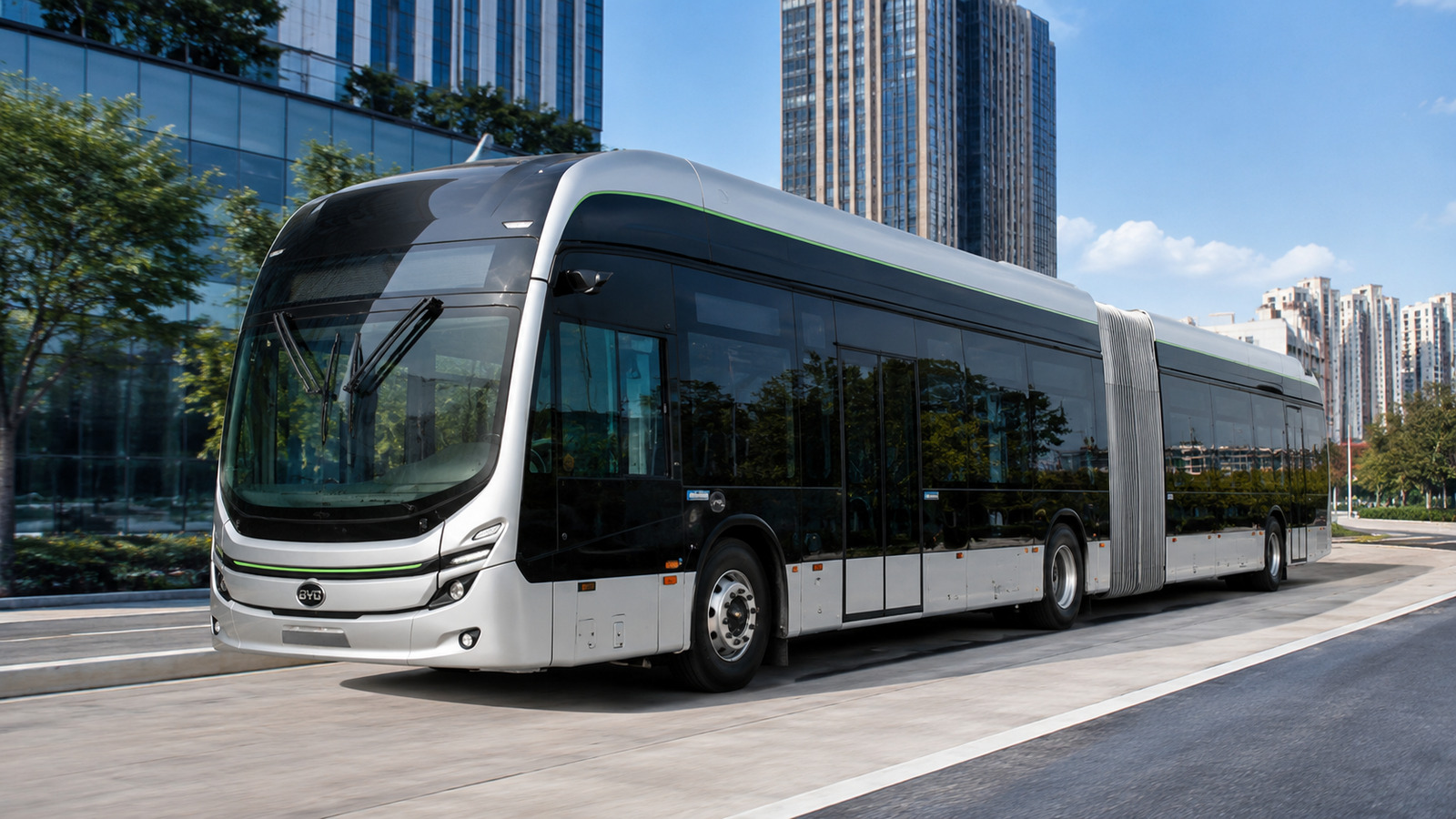


BYD electric articulated chassis combines 300 km range, capacity for 170 passengers, four-hour recharge, and 60% lower maintenance than diesel, expanding the debate on costs and sustainability in Brazilian public transport
The BYD D11B arrives in Brazilian public transport with electric, silent operation and zero pollutant emissions, combining a 300 km range per charge, capacity for up to 170 passengers, and 60% lower maintenance than diesel models.


Electric articulated chassis bets on silence and zero emissions
The BYD D11B represents a technological leap for metropolises, by combining 100% silent operation, sustainability, and cost reduction for municipalities that rely on high-capacity buses.
The electric articulated chassis improves the passenger experience, with superior thermal and acoustic comfort. On urban routes, the absence of internal combustion eliminates pollutant gases throughout the journey.
-
Brazil’s Lula Government Allocates $463 Million Quota for Electric Car Parts, Waives Import Tax Until December, Sparking Competition Among BYD, Automakers, and Unions as Consumers Question Impact on Prices and Local Industry

-
Thinking of Installing LED Headlights? Why Replacing Halogen Bulbs is Still Banned, the Glare Risks Authorities Worry About, and How a New Proposal Could Allow Certified, Safe Installations

-
2027 Toyota Corolla Cross Unveiled: New Design, Enhanced Fuel Efficiency, Reduced Maintenance Costs, Advanced Technology, Connected Services, and Up to 10-Year Warranty
-
Fiat Cronos Precision 2018: Affordable Sedan with Spacious Trunk and Reliable Maintenance




BYD D11B uses in-axle motors and LiFePO4 batteries
The propulsion of the BYD D11B uses electric motors installed in the axles, powered by lithium iron phosphate batteries, known by the acronym LiFePO4. This combination ensures chemical stability and high energy density.
The system allows the articulated bus to transport up to 170 passengers with zero pollutant gas emissions per kilometer. The technology was designed for high-demand urban lines.
Among the solutions are high-energy-efficiency in-wheel motors, batteries with a lifespan exceeding eight years, and full air suspension with tilt control.
The package includes intelligent thermal management and a full recharge in four hours of connection, features that help maintain operation under the demanding conditions of urban transport.

Maintenance is 60% lower than diesel
Operational data from Urbs of Curitiba indicate that the maintenance cost of this electric vehicle is 60% lower than that of a diesel model. The difference is linked to mechanical simplification.
Without a combustion engine, the vehicle dispenses with oil changes, complex filters, and traditional transmission components. These items suffer accentuated wear in heavy urban traffic.
The metrics combine a 300 km range per charge, 60% maintenance savings compared to diesel, a maximum capacity of up to 170 passengers, and zero CO2 emissions per kilometer.
The noise level drops by up to 15 decibels. This reduction is part of the operational gain of the BYD D11B in residential areas and corridors with constant bus flow.
Regenerative braking, less noise, and connected garages
Regenerative braking converts the kinetic energy generated during decelerations into electricity for the batteries. This allows the vehicle to recover up to 15% of the energy consumed in daily operation.
This system optimizes the 300 km range and reduces the physical wear of conventional pneumatic braking components. It takes advantage of part of the lost energy.
With this recovery, the vehicle can operate full shifts without constant intermediate recharges, provided that garage logistics keep pace with the actual consumption of each line.
The absence of internal combustion reduces noise pollution by up to 15 decibels. Insulating materials used by BYD Auto also help to reduce structural vibrations in the vehicle.
Operational silence improves the internal environment, facilitates communication, and reduces passenger stress. For drivers and people near the roads, the drop in noise alters urban routine.
São José dos Campos and Curitiba are among the municipalities leading this energy transition with electric articulated fleets. The charging infrastructure in the garages allows remote monitoring of consumption.
This monitoring optimizes logistics according to the real demand of each urban line. The expansion of the chassis to other Brazilian capitals reinforces the replacement of diesel as a technically viable alternative.
In the mentioned pilot projects, the performance of the BYD D11B shows how autonomy, noise reduction, four-hour recharging, and lower maintenance can influence the renewal of electric public transport.
With information from BMC News.