






 Portuguese
  Spanish


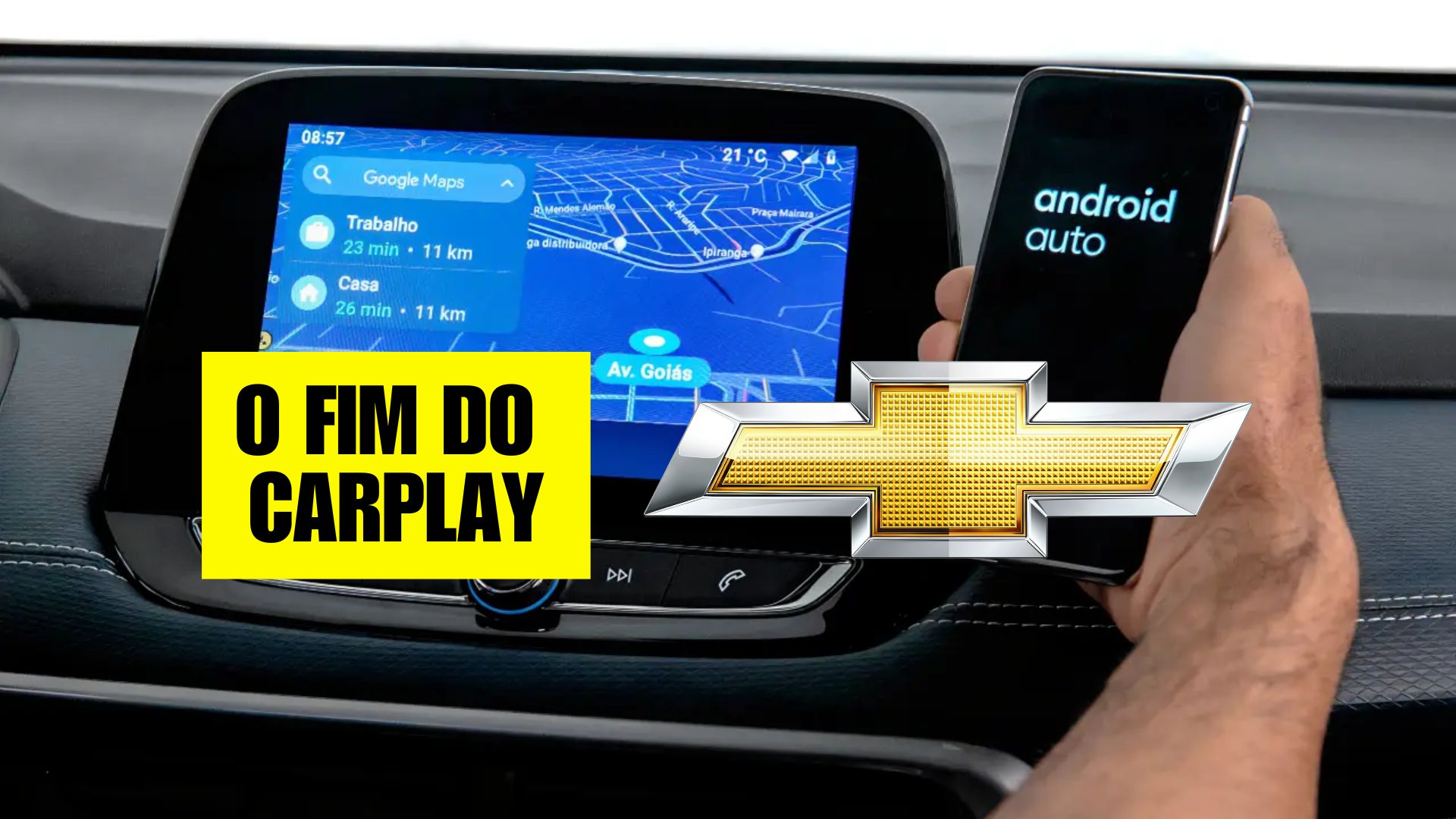


General Motors Confirms End of CarPlay and Android Auto in Its Global Lineup, Betting on Its Own System with Google Login and Full Vehicle Integration. Gradual Change Will Also Affect the Brand’s Best-Selling Cars.
General Motors (GM) has confirmed that it will gradually eliminate support for Android Auto and Apple CarPlay across its entire global lineup, including combustion vehicles.
This measure, recently announced by CEO Mary Barra, has already been implemented in electric models and will now be extended to the others.
In Brazil, the impact will be felt in future generations of popular Chevrolet cars, such as Onix and Tracker.
-
After Earthquakes Devastated Thousands of Homes in Nepal, Woman Uses Compressed Earth Bricks to Build Over 40 Resilient Houses

-
Wind energy company discovers 19th-century shipwreck with 615 tons of coal while surveying seabed for 150 turbines installation.

-
Scottish Village with 15 Wooden Tiny Homes Provides Shelter for the Homeless: Each Unit Includes a Private Door, Kitchen, Bathroom, and Living Room in a £3 Million Project
-
Brazil bans donkey slaughter to prevent extinction and address health risks amid rising demand for hides in China.




What Changes for the Driver
The automaker will use its own system, based on Google Automotive Services, which dispenses with direct smartphone mirroring.
As a result, the driver will no longer need to connect their phone to access navigation, calls, or music, as these functions will be integrated into the vehicle’s software.
However, using the system requires logging into a Google account, which involves sharing some data with the company.
According to GM, the new model offers greater integration between hardware and software, as well as automatic updates and better performance.
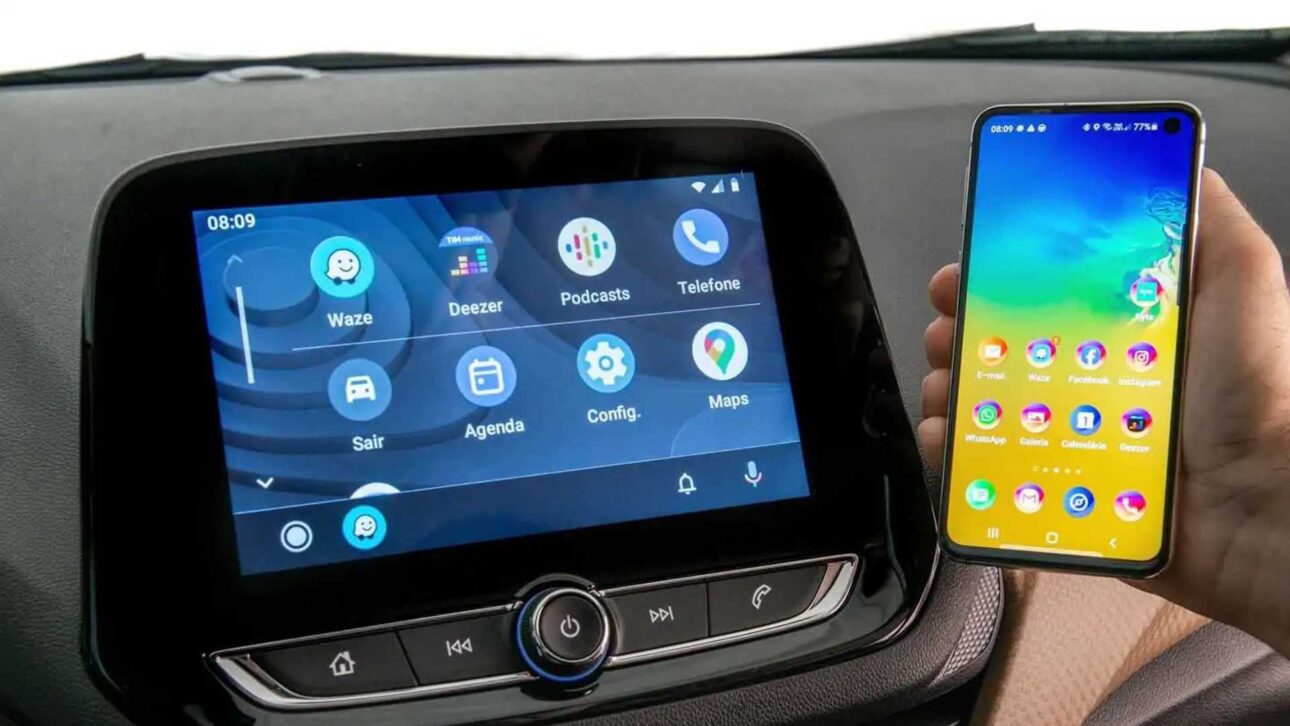
The company argues that the experience will be safer and smoother, with fewer distractions and interruptions during driving.
When the Change Begins
The end of support for CarPlay and Android Auto will not be immediate.
GM stated that current models will remain compatible for the “foreseeable future”, and that the replacement will occur gradually as new platforms are introduced.
The automaker has not yet provided an exact timeline for the transition in specific markets, such as Brazil.
Situation in Brazil
For now, Onix and Tracker remain on sale in Brazil with wireless mirroring of Android Auto and Apple CarPlay.
The removal of the function is expected to occur only with the arrival of new generations or fully redesigned platforms.
GM also clarified that it does not intend to deactivate the feature for cars already sold.
Automaker Justifications
In an interview with the podcast Decoder from The Verge, CEO Mary Barra stated that some consumers reported dissatisfaction with how CarPlay functions in GM vehicles.
According to her, “it wasn’t perfect, and in some cases, it could be distracting to keep switching back and forth between the phone and car functions”.
The company’s product director, Sterling Anderson, compared the situation to using mobile apps on computers, stating that each device should provide a more complete native experience.
For the automaker, the new system will allow for better performance, security, and connectivity.
Data and Privacy
With the adoption of Google Automotive Services, accessing resources such as maps, voice assistant, and entertainment apps will require logging into the user’s Google account.
GM states that the collected data will be used to improve the driving experience, with personalized recommendations and updates.
Privacy experts warn that sharing information about location, usage habits, and media preferences needs to be accompanied by transparency and clear consent options.
They argue that the measure increases drivers’ dependence on the digital ecosystems of major technology companies.
New Services and Business Model
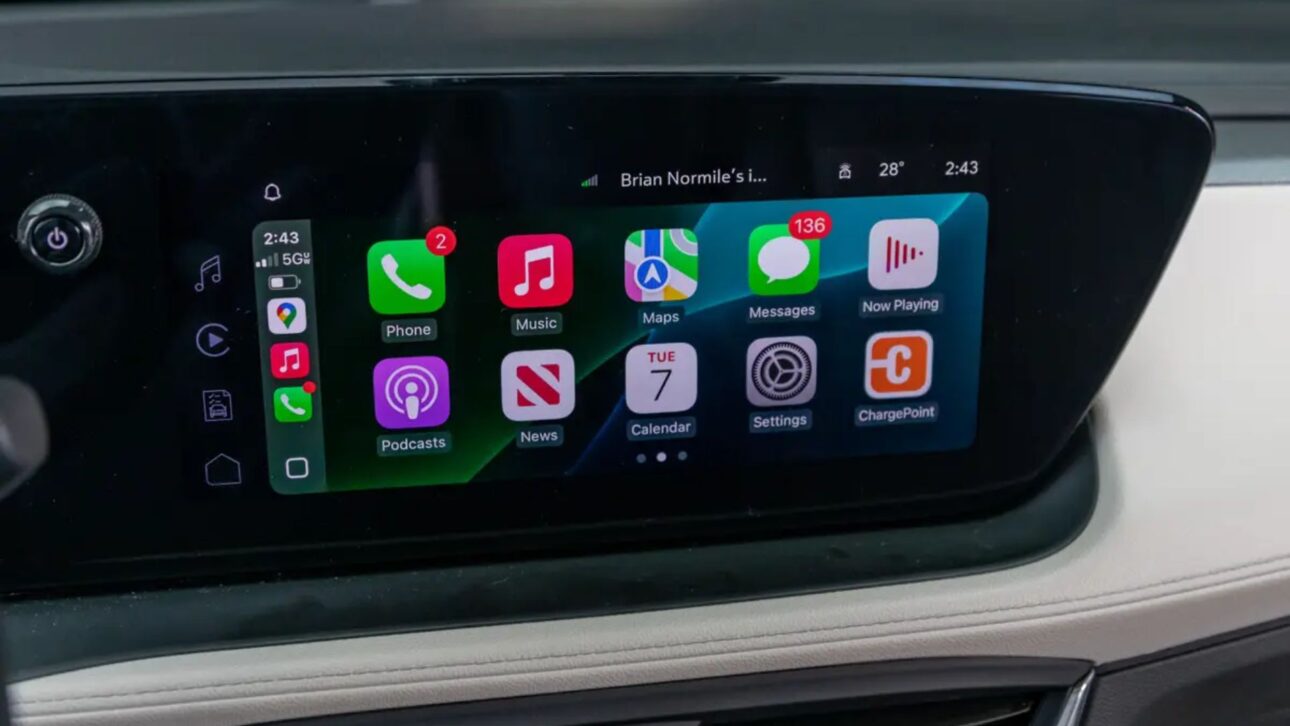
GM claims that its strategy is part of the transition to “software-defined” vehicles capable of receiving updates and additional features over the internet.
Industry analysts point out that by eliminating free mirroring, the company may open the door to paid services, such as navigation subscriptions, premium connectivity, and bundled apps.
So far, there is no official information regarding possible values or subscription formats.
The automaker only emphasizes that connected services will have “personalized offerings” according to the region and customer profile.
Reactions and Comparison with Competitors
GM’s decision contrasts with the strategy of other manufacturers.
The CEO of Ford, Jim Farley, recently stated that the company does not intend to eliminate smartphone mirroring from its vehicles, considering that the feature “is part of drivers’ digital routine”.
Mobility experts believe that the removal of CarPlay and Android Auto could reduce consumer choice and increase the cost of the digital experience inside cars, as some free functions may become paid.
On the other hand, they highlight that native integration could improve performance and stability of the embedded system.
Impact on Brazilian Consumers
In Brazil, where connectivity is one of the main purchase attractions, the change may alter public behavior in upcoming vehicle generations.
Industry experts state that GM is likely to maintain its focus on digitalization but will face the challenge of convincing drivers used to traditional mirroring to switch to a new platform.
For consumers who value privacy, autonomy, and predictable costs, the advancement of proprietary systems will be a point of concern.
Meanwhile, for those seeking greater technological integration, the new system may offer functional and convenience gains.
As CarPlay and Android Auto are gradually phased out, one question remains: how will drivers react to the transition to increasingly closed and subscription-dependent systems?








GM sendo GM, sempre se boicotando.
No meu carro ah alguns meses já não consigo usar o CarPlay.