Portuguese
  Spanish


Research in the United States targets the reuse of used nuclear fuel, material accumulated for decades and still surrounded by technical, regulatory, and safety challenges.
The United States has resumed expanding research on the reuse of used nuclear fuel, material that is currently treated primarily as high-complexity waste.
The U.S. Department of Energy announced more than $19 million for five companies to develop recycling technologies capable of recovering uranium, reducing waste, and extracting radioisotopes with medical, industrial, and defense applications.
The initiative is based on a technical fact cited by the Department of Energy itself: after about five years of operation in a commercial reactor, less than 5% of the potential energy of nuclear fuel is utilized.
-
Scientists Convert Food Waste into Aviation Fuel, Successfully Test 50% Blend with Conventional Kerosene to Cut Emissions and Promote Sustainable Flights

-
OnePlus N6 Smartphone to Launch in India with 8,000mAh Battery and 45W SuperVOOC Charging, Lasting Up to Three Days
-
Scientists Plan to Release Air Bubbles Underwater to Protect Antarctica’s “Doomsday Glacier” from Melting

-
Chinese R6000 Drone Combines Airplane and Helicopter Features, Carries Up to 12 People for Multiple Missions
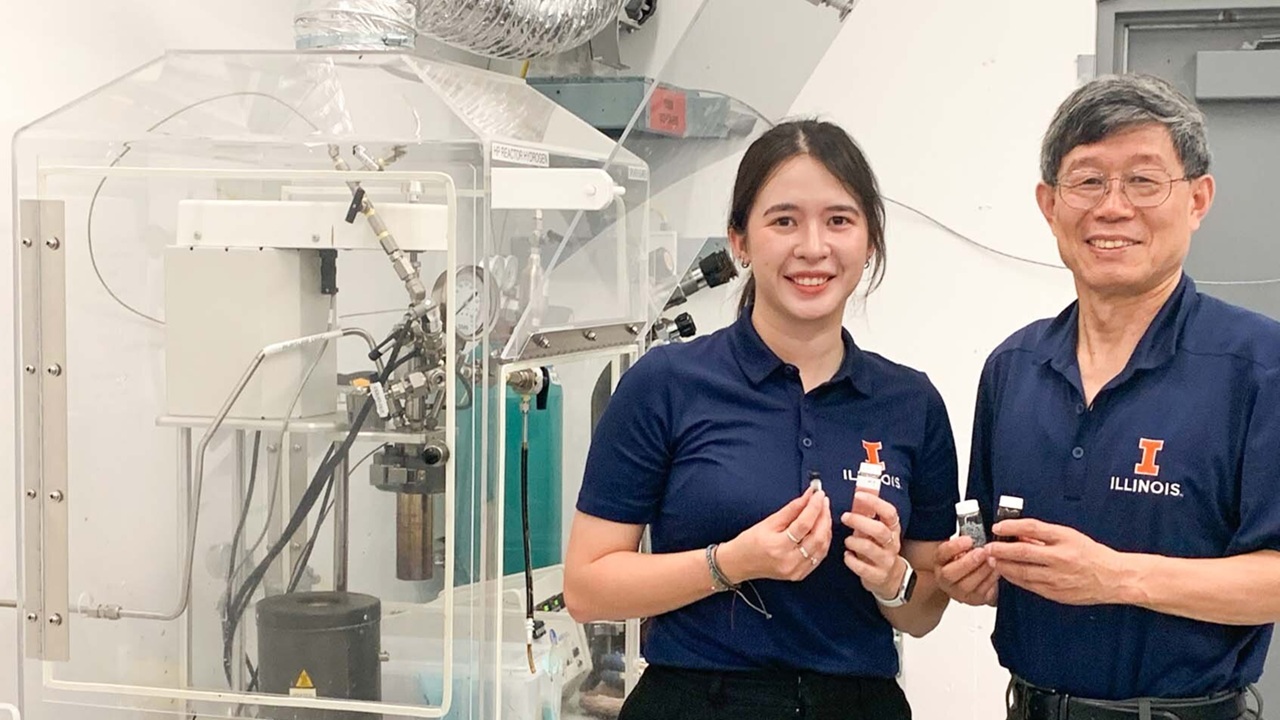



According to the agency, recycling technologies could increase resource use by up to 95%, reduce waste by up to 90%, and decrease the amount of uranium needed to keep reactors running.
The topic has gained relevance because the U.S. has been accumulating irradiated nuclear fuel for decades at facilities across the country.
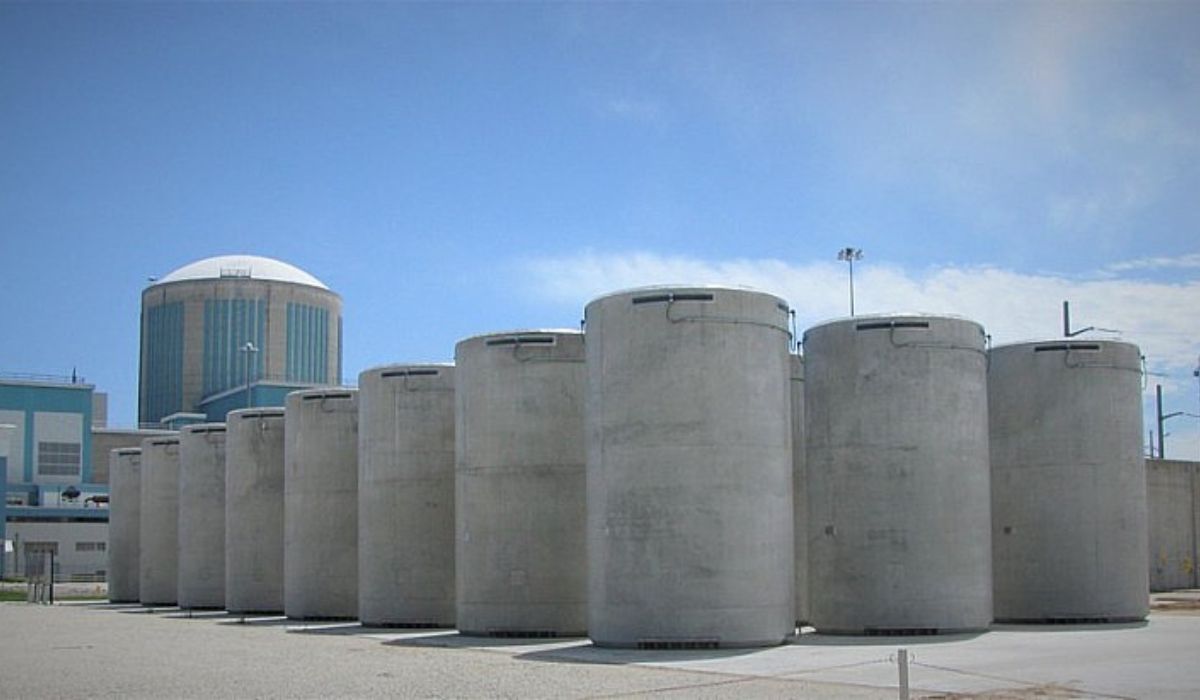
This material exits the reactors highly radioactive and is usually initially kept in cooling pools before moving to dry storage containers.
According to the Department of Energy, the country generates about 2,000 metric tons of used fuel per year, stored at more than 70 locations in 35 states.
What can be reused in used nuclear fuel
In the nuclear sector, recycling used fuel means separating materials that can still be utilized from those that need to remain under controlled storage or proceed to proper disposal.
The process can recover uranium and other elements present in the irradiated fuel, as well as radioisotopes intended for specific applications.
The research funded by the U.S. government seeks to transform part of this material into input for new nuclear energy cycles.
The stage, however, depends on specialized facilities, strict radiological control, and procedures compatible with safety and non-proliferation standards.
The Department of Energy also states that recycling can allow the recovery of radioisotopes used in areas such as medicine, industry, and defense.
With this, the topic began to be addressed not only as a waste management issue but also as part of discussions on supply chain, energy security, and technological autonomy.
US Companies Test Nuclear Recycling Routes
The five companies selected by the Department of Energy were Alpha Nur, Curio Solutions, Flibe Energy, Oklo, and Shine Technologies.
The projects can last up to three years and require each company to cover at least 20% of the costs, in a financial counterpart model.
Alpha Nur will research a process to recover highly enriched uranium from used fuel produced by research reactors in the US.
The proposal plans to convert this material into a usable form of low-enriched, high-assay uranium, known by the acronym HALEU, fuel associated with some small modular reactor projects.
In the case of Curio Solutions, the resources will be used in the development of NuCycle technology, aimed at recycling used nuclear fuel.
The project plans to recover uranium in the form of uranium hexafluoride, reduce high-activity waste through the recovery of minor actinides, and incorporate security safeguards into the process.
The company works with national laboratories, including the Idaho National Laboratory and the Pacific Northwest National Laboratory, to prepare engineering stages and a future pilot-scale demonstration.
In a statement, Curio’s CEO, Ed McGinnis, stated that the Department of Energy’s support represents validation for the company’s technology and for advancing the process towards commercial scale.
Other research lines will follow distinct technical paths.
Flibe Energy will study electrochemical methods to process used nuclear fuel, while Oklo will research the deposition of heavy elements in molten salt, a step linked to the design of a pyroprocessing plant.
According to Oklo, the work should generate data to support the licensing of a future commercial fuel recycling facility in Oak Ridge, Tennessee.
Shine Technologies, in turn, will develop a process design that integrates transportation, storage, final disposal, and hydrometallurgical processing of used fuel.
The approaches differ from each other, but all seek to address similar challenges: recovering useful materials, reducing waste, and keeping processes within the required nuclear safety standards.
Nuclear reprocessing requires control and safety
The idea of reusing nuclear fuel is not new.
Countries like France, Russia, and Japan have already developed or adopted different forms of reprocessing.
In the United States, however, the commercial route was interrupted by political decisions, economic assessments, and concerns related to nuclear proliferation.
In 1977, during Jimmy Carter’s administration, the US decided to indefinitely postpone the commercial reprocessing of used nuclear fuel.
The measure occurred amid concerns about the possibility of diverting sensitive materials for military purposes.
The decision did not end all research in the sector, but consolidated for decades the model in which irradiated fuel from commercial plants is managed as waste to be stored.
Currently, the US Nuclear Regulatory Commission reports that there are no commercial reprocessing facilities in operation in the country.
The agency defines reprocessing as the set of steps used to separate irradiated fuel into materials that can be recycled and materials destined for disposal as waste.
The debate remains sensitive because some recycling technologies can separate materials that require strict control to avoid proliferation risks.
For this reason, the Department of Energy states that the chosen projects need to meet American standards of non-proliferation and national security objectives.
CURIE program boosts research on used fuel
The new funding connects to a strategy initiated in recent years.
In 2022, the ARPA-E agency, linked to the Department of Energy, launched the CURIE program, an acronym in English for Converting UNF Radioisotopes Into Energy.
The initiative was created to address gaps in reprocessing technologies, process monitoring, and facility design aimed at recycling used fuel from the current fleet of light water reactors.
In that year, twelve projects received $38 million in funding.
The goal was to study routes capable of making reprocessing commercially viable, with attention to costs, safety, monitoring, and facility design.
The new round of resources maintains this line of action, now with projects aimed at different stages of nuclear fuel reuse.
The technical logic of the program is to recover part of the energy and material potential still present in the used fuel.
If the processes are demonstrated, licensed, and considered safe, they could reduce the demand for newly extracted uranium and decrease the volume of material destined for long-term storage.
The U.S. Assistant Secretary for Nuclear Energy, Ted Garrish, stated that used nuclear fuel is “an incredible and untapped resource” in the country.
The statement reflects the position of the Department of Energy, which has begun to classify the material also as a potential source of energy and strategic inputs.
However, there is still no official indication that these technologies are ready for widespread commercial use in the United States.
The selected research is in the development, engineering, or preparation phase for future demonstrations, with regulatory and technical requirements yet to be met.