Portuguese
  Spanish


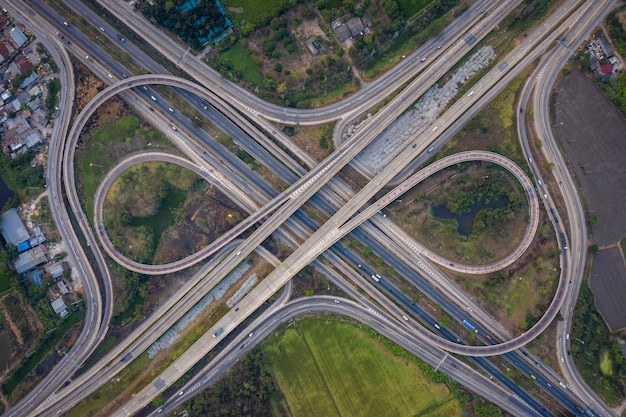
After more than a decade of waiting, São Paulo’s Rodoanel enters the final stretch of the missing section and promises to finally complete the largest ring road in the country, removing thousands of trucks from the heart of Brazil’s largest metropolis.
Few projects have tested the patience of São Paulo residents as much as the Rodoanel. This gigantic ring road around São Paulo was designed to divert heavy traffic from the city’s center, but for years it remained incomplete, with a section that stubbornly stayed on paper. Now, finally, this missing piece is entering the final stretch.
The northern section of the Rodoanel Mário Covas, considered the missing link to complete the largest ring road in Brazil, is expected to be completed in 2026, after more than ten years of waiting. Once ready, it will allow trucks and cars to bypass the city without having to cross it, easing traffic and logistics in the country’s largest metropolis.
A ring to divert traffic
The idea behind a ring road is simple and ingenious. Instead of forcing through traffic to cross the middle of a huge city, the ring offers a path around it. Thus, those who just want to pass through the region don’t need to enter the urban chaos, and the city breathes better, with fewer trucks and less congestion on internal roads. It’s a solution that major metropolises worldwide adopt.
-
Students Build Kansas’ First Hemp-Insulated Social House for a Needy Family: 85% Less Concrete, Solar Roof Returns Energy to Grid, Carbon Negative in Under 20 Years

-
China to Drill 90 Kilometers Under the Sea to Connect Two Cities Currently Linked Only by Ferry

-
18 m² Home Built in Two Days by Teto Volunteers Provides Shelter from Insects and Cold for Resident in Brazilian Community; 43 Delivered in 2026
-
$134.7 Million Project in São Paulo Installs Over 5 Kilometers of Pipes, Creates New Underwater Crossing to Boost Water Supply for Over 450,000 People


In the case of São Paulo, this makes a huge difference. We are talking about the largest city in Brazil, a hub where a massive volume of cargo and vehicles converge. Each truck that avoids crossing the center thanks to the Rodoanel means less traffic, less pollution, and less wear and tear on the city’s streets. Completing the ring is unlocking the circulation of an entire metropolis.
The saga of the missing section
The story of the northern section of the Rodoanel is almost a saga of delays. There were years of halted works, missed deadlines, and project revisions, while the population lived with the promise of a ring that never closed. Each new announced date came with a good dose of skepticism from those who had heard the same talk before and continued to be stuck in traffic.
Therefore, seeing the section finally in the final stretch has a special weight. It’s not just another completed project; it’s the overcoming of a long saga that marked the city’s relationship with the project. When the last piece of the Rodoanel goes into operation, it will represent the end of a wait that lasted more than a decade and the beginning of smoother traffic for millions of people.
Why completing the ring changes everything
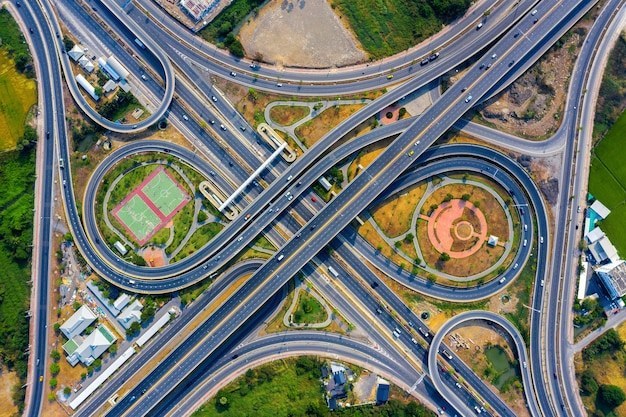
A ring road only fully serves its purpose when it is complete. A half ring forces traffic to, at some point, return to the city, which greatly reduces the benefit. It’s like a wall with an open gate, through which everything that was meant to be diverted ends up passing. Therefore, completing the last section of the Rodoanel is not a detail; it’s what makes the entire structure truly work.
With the complete ring, a continuous path opens around São Paulo, allowing cargo to cross the region from end to end without ever entering the city. This reduces transportation costs, speeds up the logistics of one of the largest economic centers in Latin America, and improves the lives of those who live and work in the metropolis. The benefit spreads far beyond the lanes of the Rodoanel itself.
There is also a less obvious but important effect on the safety and conservation of urban roads. Heavy trucks wear down the asphalt much more than cars, and removing them from internal streets means longer-lasting lanes that require fewer repairs. Additionally, separating heavy traffic from local traffic reduces the risk of serious accidents in the middle of the city, where pedestrians, cyclists, and regular drivers circulate. When the last section of the Rodoanel completes the ring, this silent rearrangement will benefit even those who never use the road, because the entire traffic of São Paulo reorganizes when trucks finally gain their own path around the metropolis.
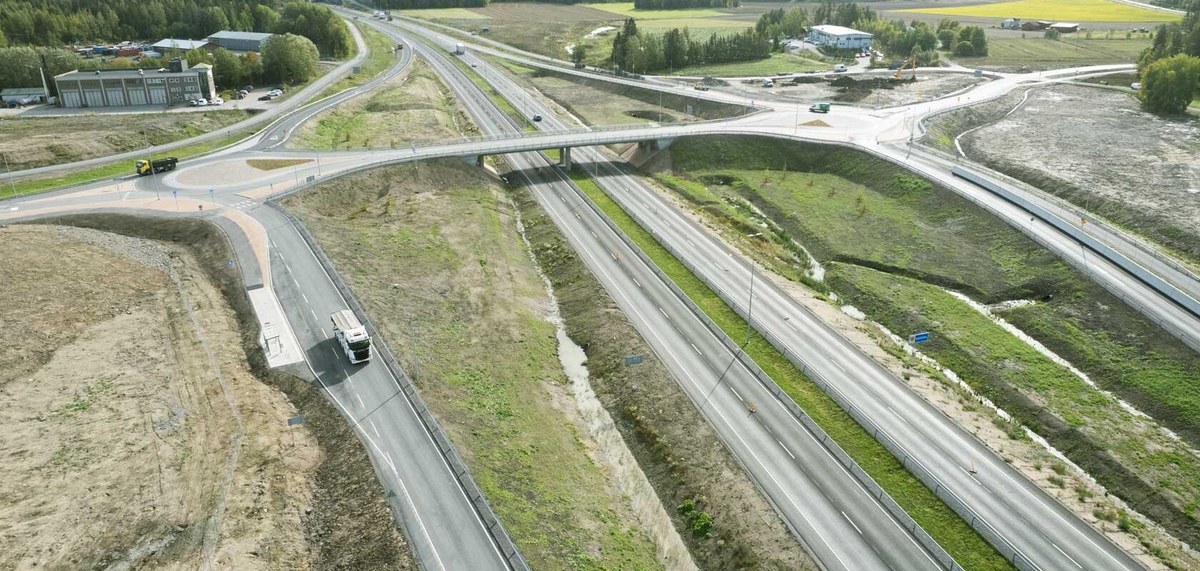
São Paulo’s traffic breathes
I imagine the relief of those living in São Paulo seeing, finally, trucks bypassing the city through a complete ring, instead of dragging through already crowded expressways and avenues. It’s the kind of change that doesn’t make headlines every day, but that is felt by millions of people who lose hours in the traffic of the largest metropolis in Brazil, and that can finally give back a bit of life time to those who spend the day stuck behind the wheel.
The completion of the Rodoanel is a reminder that major mobility projects, no matter how long they take and how frustrating they are, can indeed transform a city’s life when they are completed. After more than a decade of waiting, São Paulo is close to gaining its complete ring, and with it the promise of less suffocating traffic. Now we hope that the final stretch is indeed the last, and that the metropolis’s traffic can finally breathe after more than a decade stuck waiting for a ring that never closed.
Do you believe that completing the Rodoanel will really alleviate the chaotic traffic of Brazil’s largest city?