






 Portuguese
  Spanish
  3 min of reading


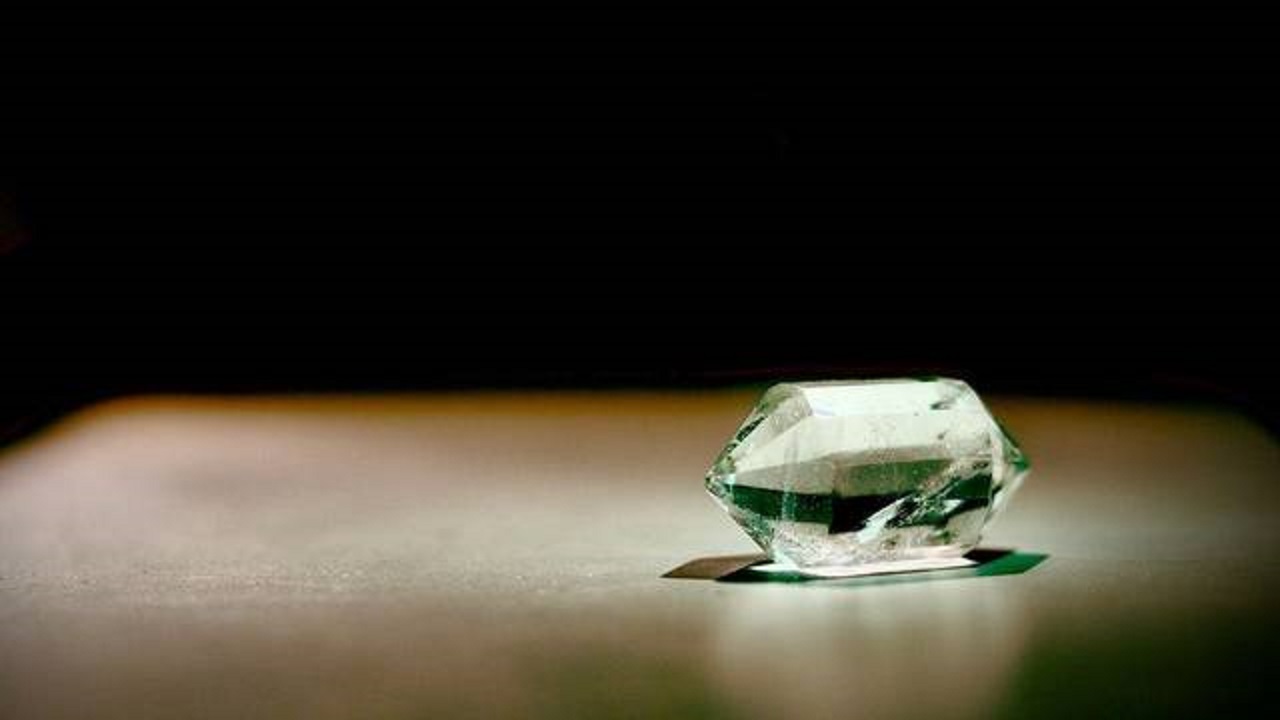
China, Famous for Its Glass Bridges, Has Now Developed a Glass That Is Twice as Hard as Diamond and Can Be Used in Solar Panels. The Material Has Amorphous Carbon, Is Ultra-Hard, Ultra-Strong, and Is Also a Semiconductor.
It is known that China is famous for its glass bridges, and you have probably heard that diamond is one of the hardest materials in nature, being almost impossible to break. Now imagine twice that hardness. This has been achieved by Chinese scientists, who developed the world’s most resistant glass, which can be used in solar panels; meet the AM-III glass.
Read Also
Understand How the Most Resistant Glass Harder Than Diamond Is Produced
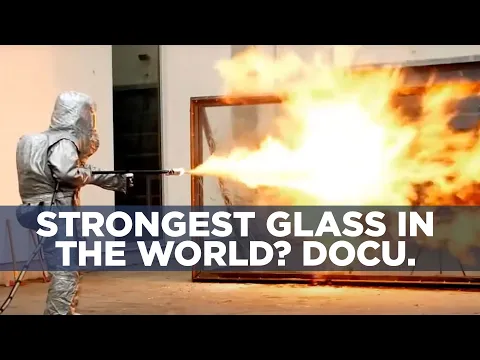

On the Vickers hardness scale, the glass created by researchers in China reached 113 gigapascals, surpassing diamonds, which can reach a number between 50 to 70 gigapascals. The glass was created by Shuangshuang Zhang and his partners at Yanshan University, using three-dimensional carbon molecules known as fullerenes.
-
Brazilian scientists are simultaneously advancing two research projects on clean hydrogen and driving solutions that could transform the energy matrix, enhance industrial competitiveness, and accelerate large-scale emission reduction targets.

-
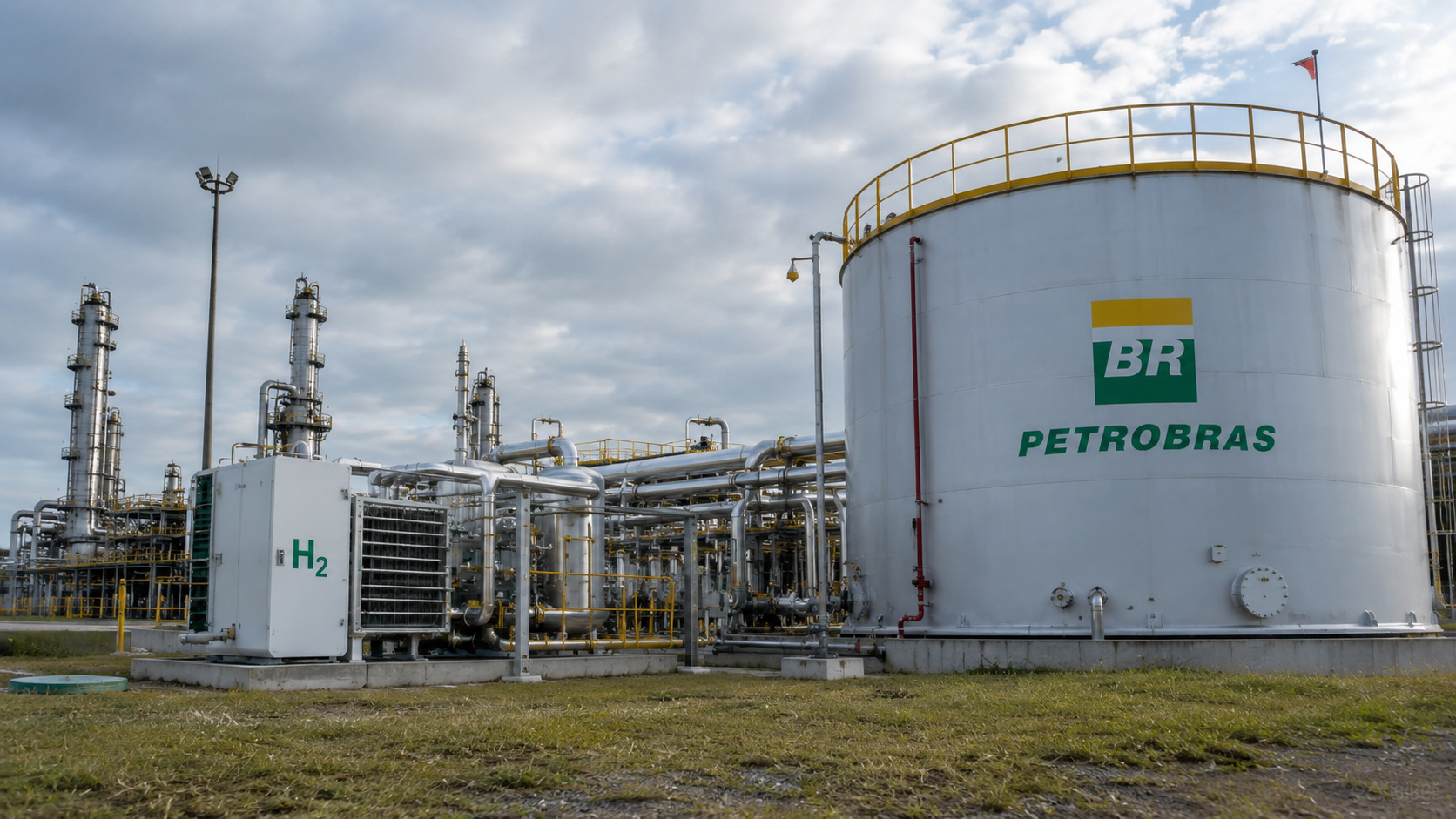
Advancement in renewable energy: A R$ 150 million project launched by Petrobras and Finep aims to create state-of-the-art electrolyzers for green hydrogen, strengthening national research and preparing Brazil to compete in a billion-dollar energy market.
-
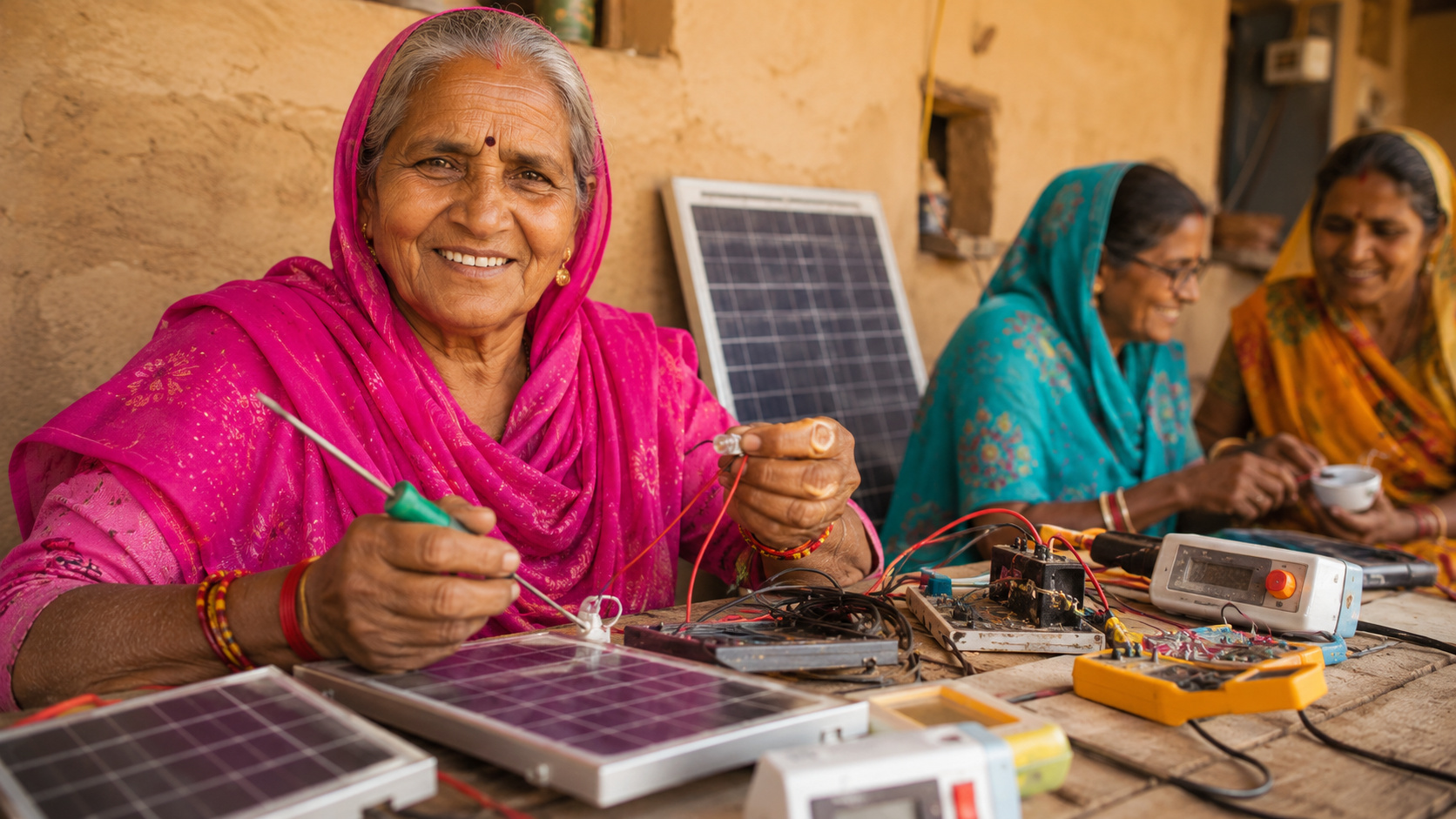
Illiterate or semi-literate grandmothers were trained to repair solar systems, open rural workshops, and light up homes that still depended on kerosene.
-
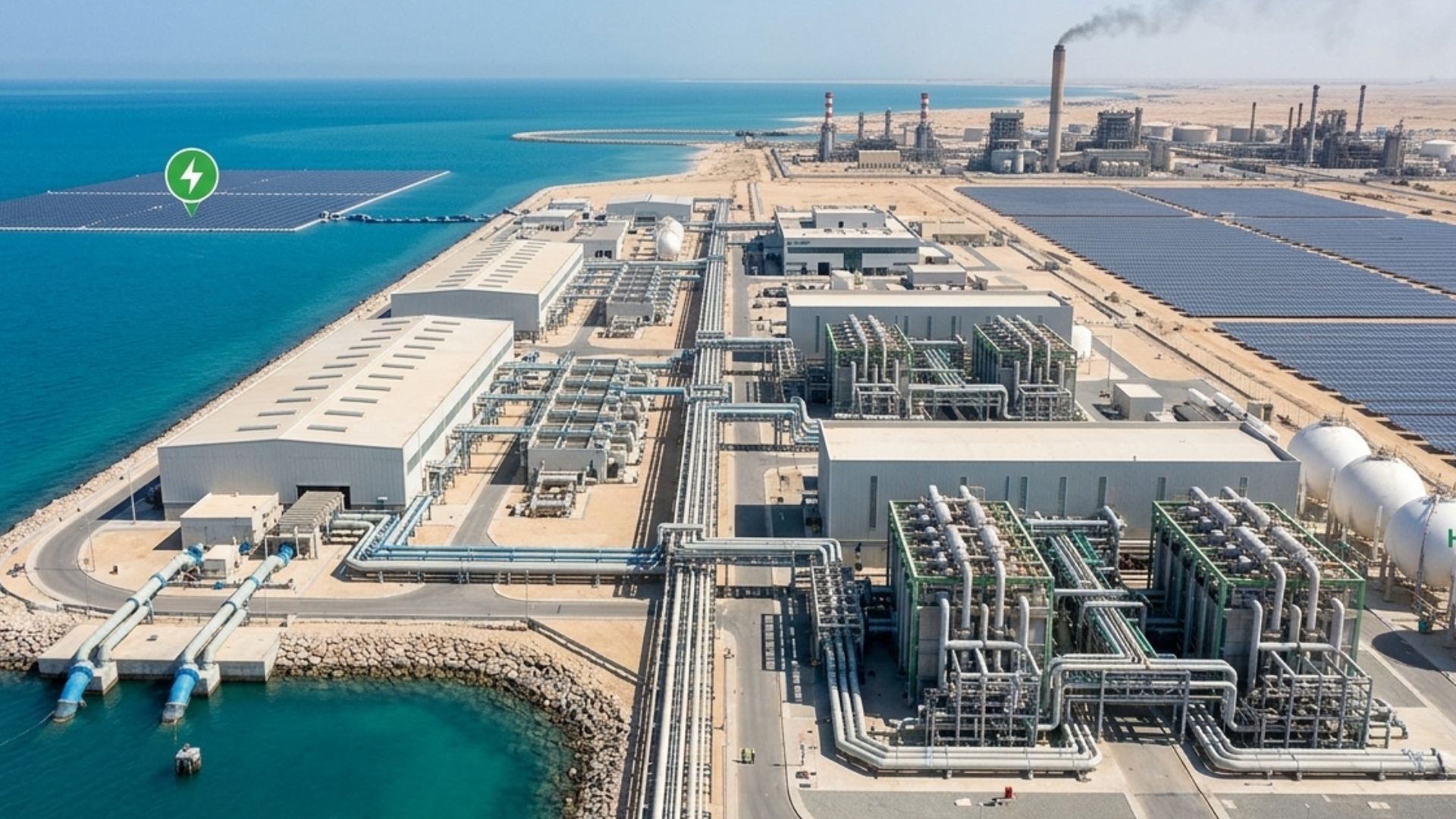
The world has bet on green hydrogen as the fuel of the future, but now faces the side effect: producing 1 kilogram requires about 9 liters of ultrapure water, and the largest projects on the planet are precisely in the driest regions of the Earth, where water is already scarce for people.

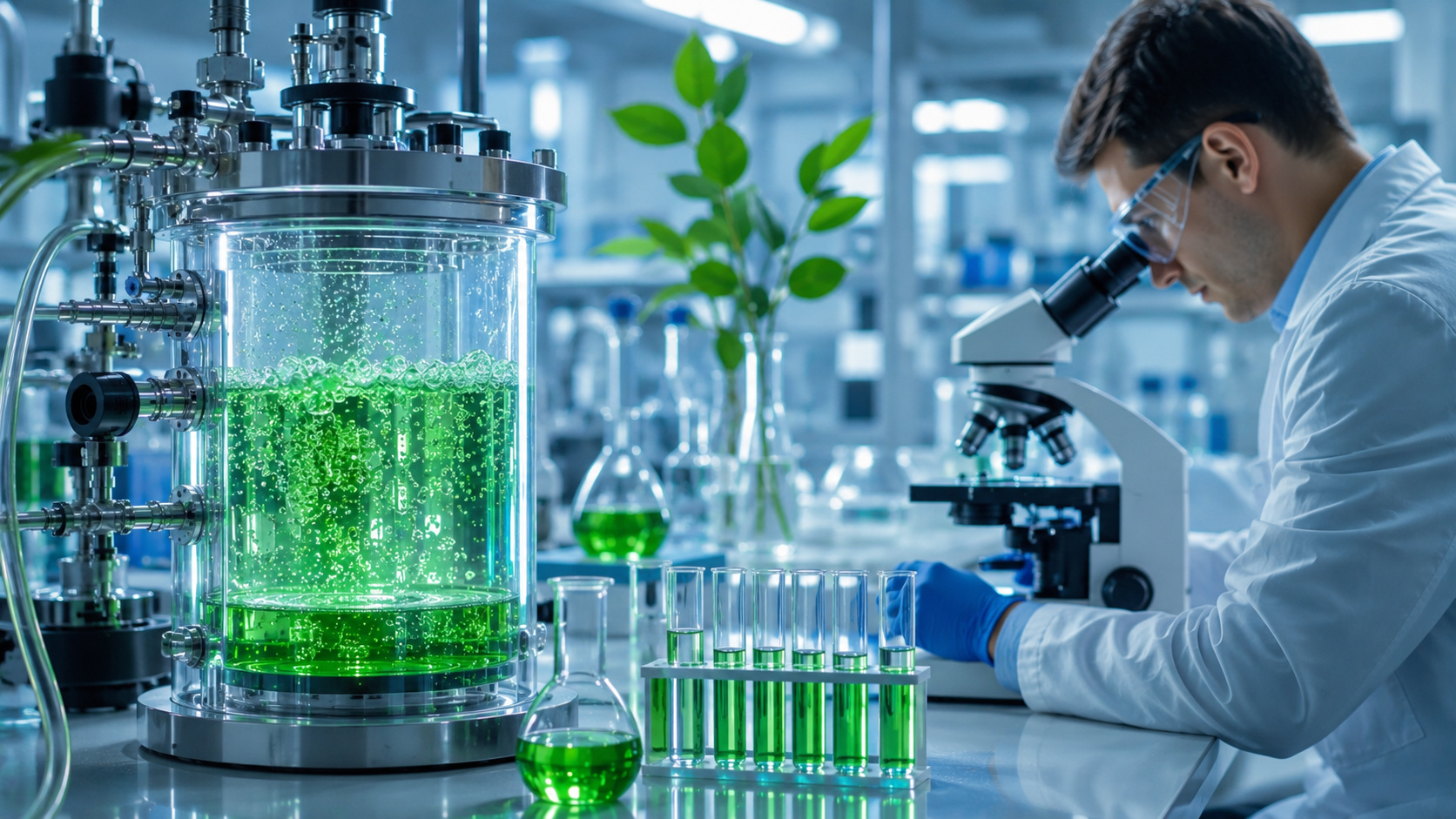
However, the new glass requires a more time-consuming process than common ones, as the fullerenes need to be crushed before reaching suitable pressure and cooling conditions. The conditions found by Chinese researchers were 25 GPa and 1,200º for about 12 hours, so that the hardest glass than diamond can be synthetically produced and briefly used in solar panels.
The material is considered glass because it is amorphous; its carbon atoms are disordered and cannot assume a long-range crystalline lattice. It is because of this that the glass created by the researchers can also be a semiconductor, with an efficiency close to that of silicon.
Glass Harder Than Diamond Can Be Used in the Creation of Solar Panels
According to one of the researchers, Tian Yongjun, the emergence of this type of ultrahard, amorphous carbon material, semiconductor, and ultra-strong, presents itself as a great option for more demanding practical applications in the solar energy market.
The analysis published by the researchers in the scientific journal National Science Review reported that the glass is unbreakable. Currently, the material aims to be used in solar panels due to its high resistance and low wear.
The scientists involved in the project also claim that AM-III has energy absorption properties that can be compared to the semiconductors currently used in solar cells. The material, which is still in the development and study phase, may also become harder by increasing the order of atoms and molecules, but as a result, it will end up losing its conductivity.
The Importance of Glass for Civil Construction
Despite everything, the glass developed in China could also revolutionize the civil construction sector, given that the material is of utmost importance in buildings.
Common glasses already have various uses, and there are many options on the market, but they may not surpass AM-III, especially if it comes to market at an affordable price.
With the use of the new glass in windows or even in doors, there will be greater solar lighting in the environment without losing safety, generated by the hardness of the material. In addition, tiles can be produced for more remote locations, potentially bringing sunlight into the environment and certainly generating greater savings for the household, since there will be no need to use electric light.

Graduated in Journalism and Marketing, he is the author of over 20,000 articles that have reached millions of readers in Brazil and abroad. He has written for brands and media outlets such as 99, Natura, O Boticário, CPG – Click Petróleo e Gás, Agência Raccon, among others. A specialist in the Automotive Industry, Technology, Careers (employability and courses), Economy, and other topics. For contact and editorial suggestions: valdemarmedeiros4@gmail.com. We do not accept resumes!






Be the first to react!