Portuguese
  Spanish


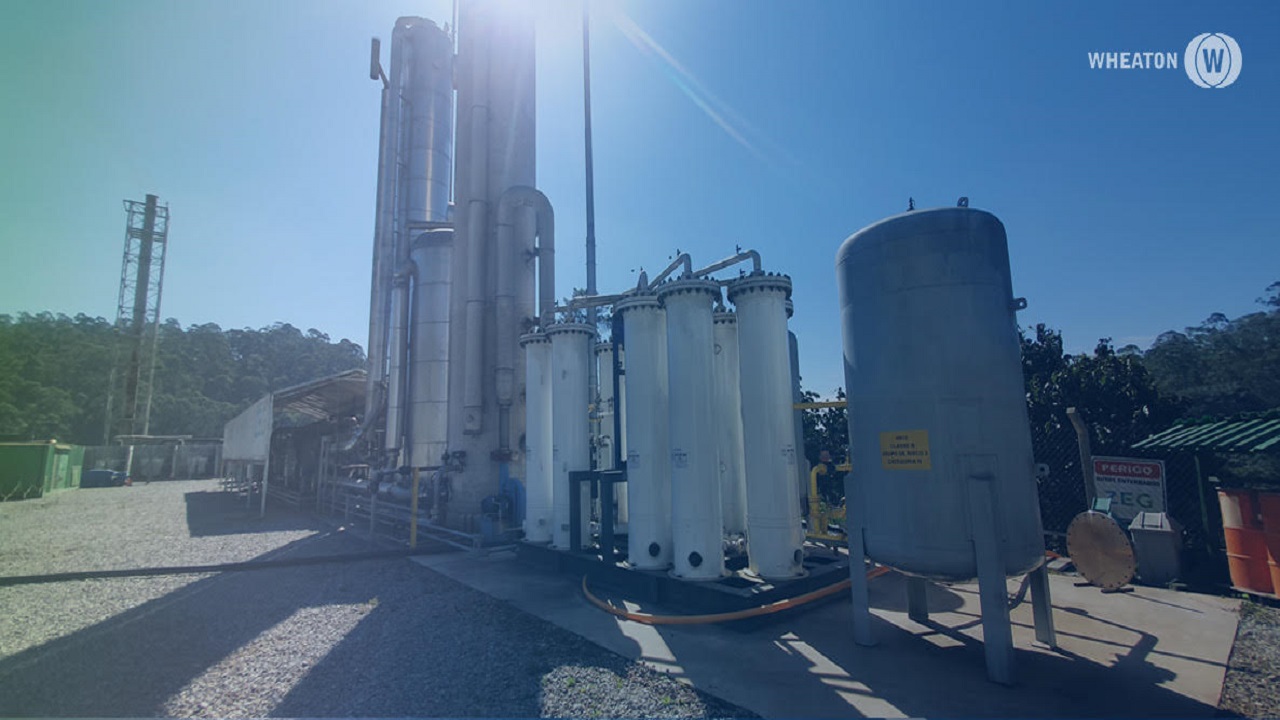

Thinking About Turning Glass Into An Even More Sustainable Product, Wheaton Partnered With ZEG To Use Biogas Instead Of Natural Gas And Will Reduce 7,000 Tons Of CO2 In The Atmosphere
Wheaton, a manufacturer of packaging that uses glass for the cosmetics and perfumery segment, partnered with ZEG, a company specialized in producing renewable energy to replace part of the natural gas with biogas in its productions.
Read Also
370 Tons Of Glass Per Day Produced By Wheaton
The company currently manages four continuous furnaces, which have the capacity to produce about 1 billion bottles per year, that is, 370 tons of glass per day. In total, there are 23 production lines, including I.S. machines, in pressed-blown, blown-blown, and rotary presses in the pressed process.
According to Renato Massara Junior, commercial director of Wheaton, 10% of the natural gas used as fuel to feed the flames of the furnaces in the production processes in São Bernardo do Campo (SP) will be replaced with biogas, with the support of ZEG. Thus, Wheaton will be the first glass industry in the world to use this renewable fuel.
-
China’s Engineered Bamboo: The “Material of the Future” Stronger Than Steel and a Sustainable Wood Alternative

-
Egypt’s “New Nile”: 170 km Artificial River Aims to Turn Desert into Farmland, but Water Supply Concerns Loom
-
Eni Acquires 25% Stake in Chilean Lithium Project, Plans to Invest Up to $225 Million in Eco-Friendly Extraction Method
-
Unable to secure a mortgage as a self-employed single mother, she designed her own floating home from a 20-meter boat and now lives “off-grid” with her two children and solar panels on an English canal.


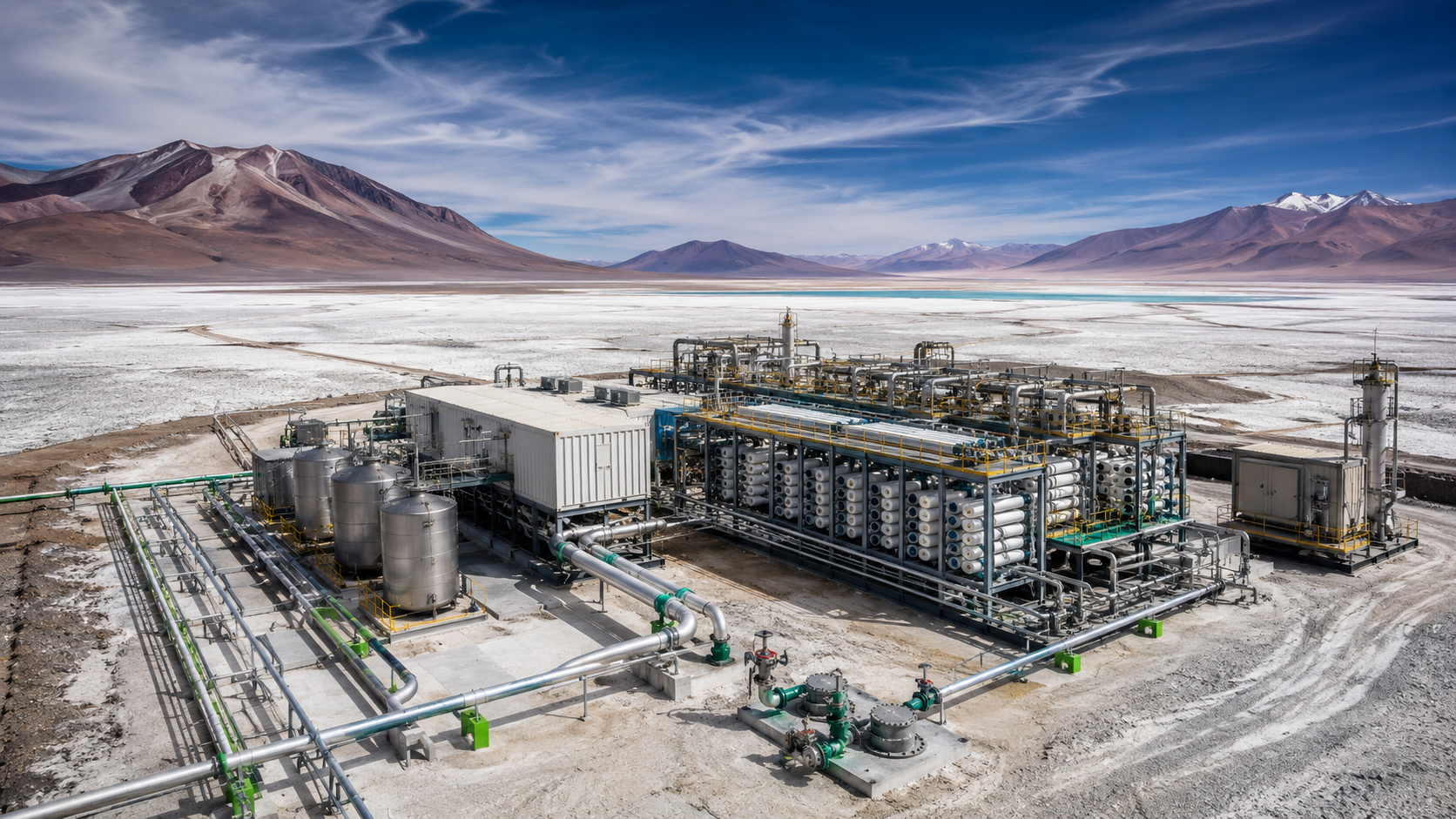

Glass Will Become An Even More Sustainable Material
According to Massara, although the glass packaging is 100% recyclable and infinitely reusable, natural gas is still used. Thus, with the arrival of biogas to replace the old gas, glass becomes an even more sustainable product for the environment.
The Wheaton executive believes that soon biogas will also become economically advantageous, contributing to the competitiveness of Brazilian glass in the global market.
ZEG Executive Speaks
The goal is that in the future, biogas will replace up to 30% of the natural gas used in Wheaton’s production process. ZEG CEO Daniel Rossi explains that the replacement of fossil fuel in Wheaton’s production will reduce the emission of more than 7,000 tons of CO2 per year, equivalent to more than 50,000 trees planted over a period of 20 years.
The ZEG executive also states that the renewable product that will be supplied in the partnership, named GasBio, is produced through the sustainable reuse of urban waste in a landfill located in Sapopemba, a district in the East Zone of São Paulo. According to data from the Brazilian Glass Industry Association (Abividro), natural gas represents about 30% of the industrial cost in the segment.