






 Portuguese
  Spanish
  3 min of reading
  17 comments


Memorandum Between China and Brazil Boosts Collaboration in Artificial Intelligence, Nuclear Technology, Agriculture, and Renewable Energy
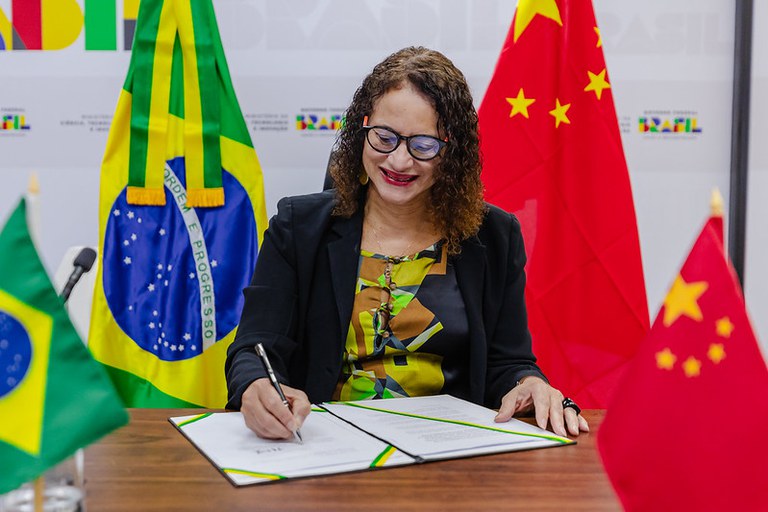
Last week, Brazil and China took another important step in building a partnership in the field of science and technology. The signing of five memoranda of understanding between Brazilian Minister Luciana Santos and Chinese governmental institutions reinforces the commitment of both countries to turn technological cooperation into an engine for economic and social development.
These agreements, signed on November 14, precede President Xi Jinping’s state visit to Brazil and cover strategic areas such as nuclear technology, family farming, photovoltaic industry, artificial intelligence, and synchrotron light sources.
China and Brazil’s Nuclear Technology: Transforming Health and Industry
One of the most important memoranda was signed with Liu Jing, President of the China Atomic Energy Authority. Through it, Brazil and China seek to enhance collaboration in nuclear technology, focusing on applications ranging from health to industry. Areas such as research on new radiopharmaceuticals, clinical trials, and radioactive waste disposal are priorities.
-
Helicopter Drops 180 Tons of Sand and Gravel on Swedish River to Revive Ecosystem Damaged by Decades of Exploitation

-
Brazilian Company Launches Retro Smartphone with 48 MP Camera, T9 Keyboard, and Privacy Features for Social Media-Free Use

-
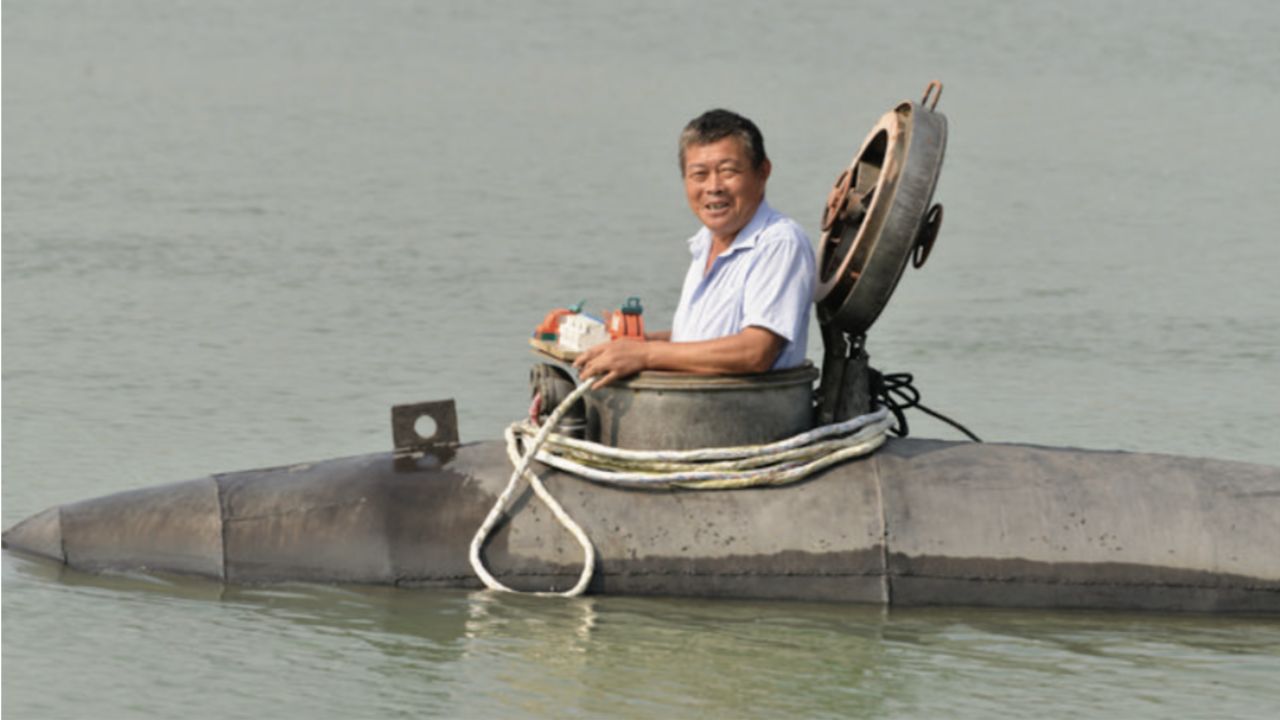
Self-Taught Chinese Farmer Builds 5-Ton Submarine from Scrap, Launches It in Anhui River
-
Invisible Induction Technology Enables Wireless Power for Blenders, Coffee Makers, and Air Fryers, Reducing Countertop Cables




This exchange has the potential to strengthen Brazil’s strategic projects, such as the Brazilian Multipurpose Reactor, intended for the production of radioisotopes for medicine and agriculture, and the CENTENA, which is involved in managing nuclear waste and environmental issues.
Minister Luciana Santos emphasized that the benefits of this partnership transcend the academic and productive sectors, bringing concrete advancements to the population.
Family Farming and Artificial Intelligence
Another important agreement provides for the creation of a Joint Laboratory on Mechanization and Artificial Intelligence for Family Farming. Imagine a future where small farmers can rely on advanced technologies to optimize their productions, reduce waste, and improve the quality of food that reaches our table.
This cooperation promises to unite the best of Chinese innovations in AI with Brazil’s agricultural potential, strengthening the foundations of food security.
Photovoltaic Industry and Sustainability
In an increasingly energy transition-focused world, Brazil and China have also made a commitment to expand cooperation in the photovoltaic industry. As global leaders in the production and use of solar energy, both countries have much to learn and share.
This agreement not only boosts clean energy generation but also opens doors for investments, job creation, and carbon emissions reduction.
Synchrotron Light: Exploring the Future of Science
Basic science has also been included in this new phase of cooperation. The establishment of a Sino-Brazilian Synchrotron Light Source Program promises to benefit researchers from various fields, from biology to nanotechnology. The joining of efforts between Brazil and China in this area reaffirms the value of knowledge as a foundation for disruptive innovations.
Xi Jinping’s Visit: A Milestone in Brazil-China Relations
The arrival of the Chinese president in Brazil on the 17th to participate in the G20 Summit reinforces the strategic weight of these initiatives. During his stay, Xi Jinping will meet with President Luiz Inácio Lula da Silva to consolidate agreements and outline new paths for bilateral cooperation. The goal is clear: to align the Chinese Belt and Road Initiative with Brazil’s development plans, building a partnership that benefits both sides.
Brazil and China have a long history of collaboration in science and technology. The Sino-Brazilian Satellite Program for Land Resources (CBERS), initiated over three decades ago, enables both countries to access satellite images that assist in environmental management, deforestation monitoring, and numerous other applications.
Now, as they celebrate 50 years of diplomatic relations, the two countries renew their commitment. As highlighted by Jiang Dehua, Minister-Counselor of the Chinese Embassy, these new partnerships expand the horizons of cooperation, bringing positive impacts both for scientific development and for strengthening bilateral relations.





Mais uma observação, num mais quê tem uma corrupção gigante nada da certo.
O Brasil não consegue resolver questões como descarte correto de lixo . vai embarcar numa canoa dessa. é pra dar risada num primeiro momento e depois chorar essa conta vem para os mortais pagarem .
Infelizmente estamos sendo entregues aos chineses, daqui a pouco eles mandam a mão de obra também quando dominarem os setores, na África já fazem isso e tudo mais 😡
Legal esses debates, só que alguns tentam influenciar negativamente, a China nunca dominou a África, mas alguns países africanos possuem grande parceria comercial com a China, porque será que os EUA nunca forneceu tecnologia para os africanos.
seria talvez, um despropósito do ser(EUA),com a alma? (Africa)….
E a África sempre foi dominada por Árabes, americanos e Europeus. Msm tendo a localização + estratégica dos continentes, grandes reservas de metais, nunca foi feito uma política de desenvolvimento para os paises e o continente como um todo.
E o robô Optimus, da Tesla, pq que criaram como uma pessoa negra? Será q é uma referência à escravidão dos negros africanos?
Imveste-se 20, 30 mil dólares e cria-se a figura de um novo escravo negro,automotizado/robotizado dos tempos modernos.