






 Portuguese
  Spanish
  3 min of reading
  0 comments



Elon Musk’s Technology Becomes Target of Electronic Warfare and Space Espionage with Plans for “Orbital Assassination”
The Starlink constellation, which revolutionized global connectivity and plays a key role in conflict zones, is now seen as a strategic risk by China and Russia, which are working together to neutralize its operations in space.
What’s at Stake with Starlink Satellites?
Elon Musk’s SpaceX Starlink satellite network has quickly become a central piece in global communications and defense in war zones, as was evident during the conflict in Ukraine, where terminals ensured internet access even under bombardment.
But this disruptive capability has not gone unnoticed by major powers. According to a report published in Interesting Engineering, both China and Russia are developing advanced technological mechanisms to track, block, and even eliminate Starlink satellites from Earth’s orbit.
-
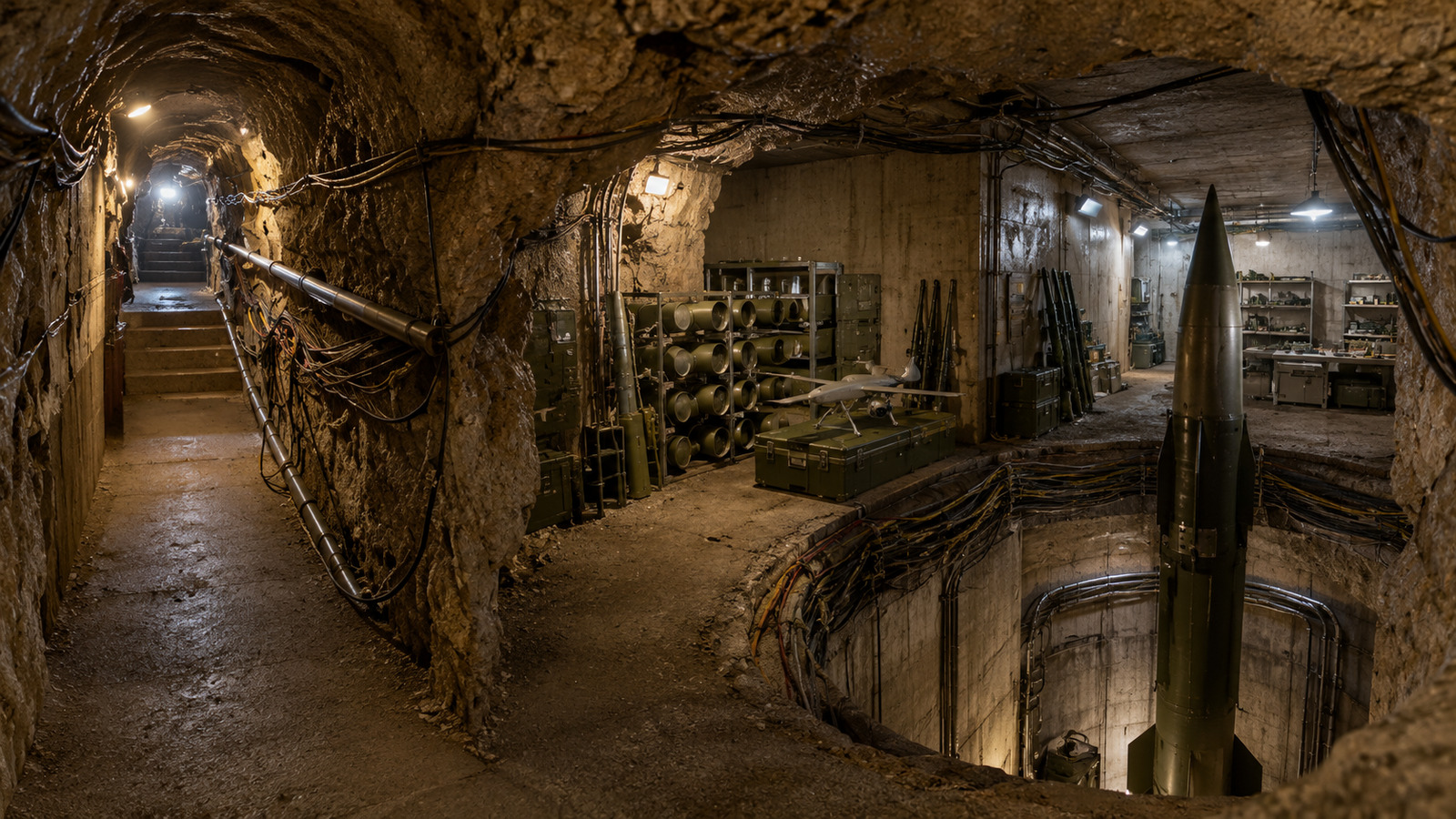
Israel finds Hezbollah militarized tunnel over 200 meters long under village, with 4 missile launch shafts, 12 chambers, anti-tank missiles, drones, and weapons depots at a depth of 25 meters.

-
Ukraine launches largest drone attack on Moscow since 2022, Russia claims to have intercepted nearly 200 aircraft near the capital, Kapotnya refinery targeted again, and offensive reignites alert about war reaching the Russian energy heart just a few kilometers from the Kremlin.

-
Truck drivers, freight, and fines from 2022 take center stage in politics: Chamber approves MP with amnesty, mandatory tracking by CIOT, million-dollar penalties, and new minimum wage for those who spend more than 24 hours on the road.

-
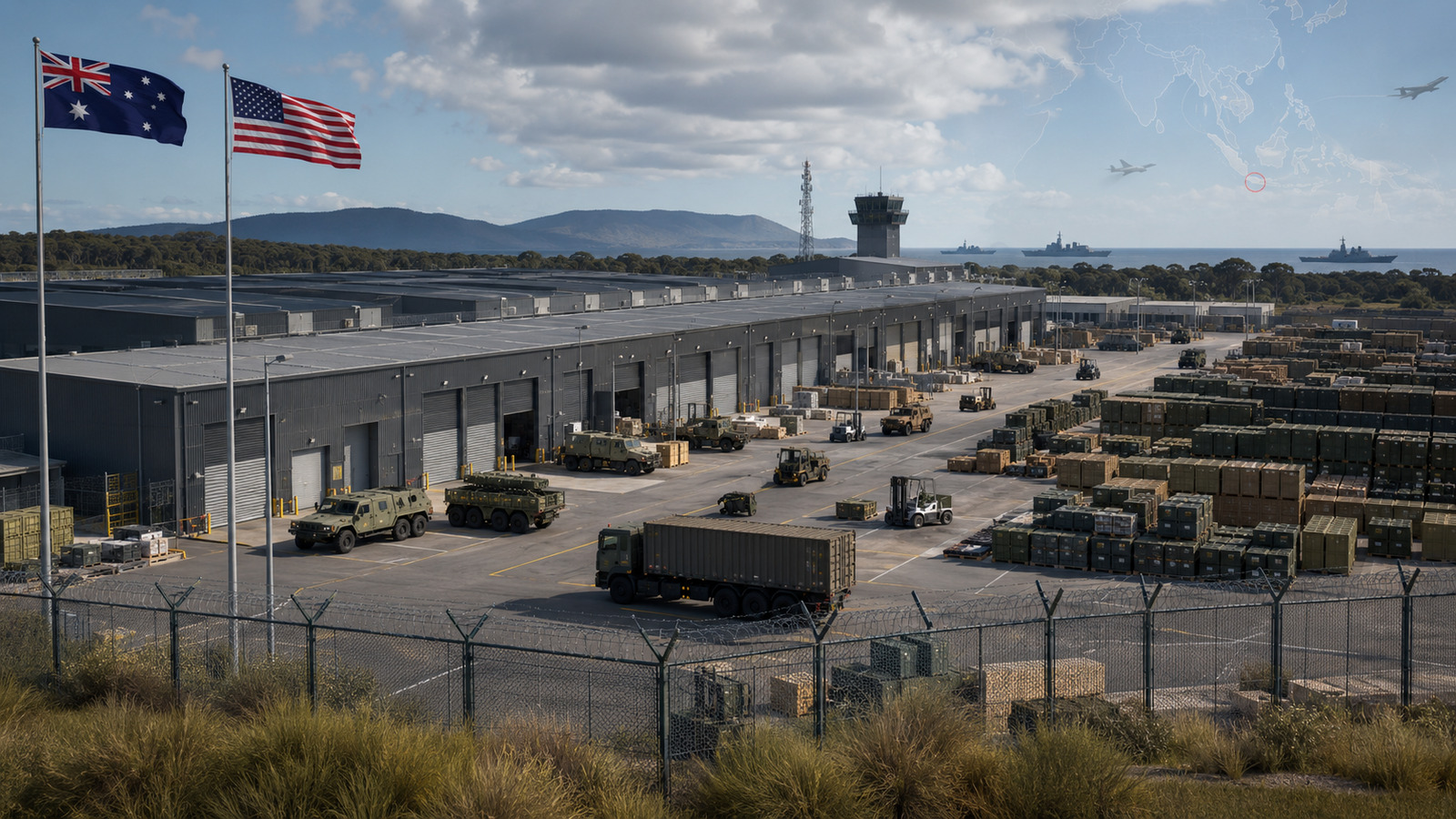
China off the radar: US plans mega $30 million weapons depot in Australia, out of reach of most Chinese missiles, with full capacity expected by 2028


How Are China and Russia Planning to Disable Starlink Satellites?
Russia has already begun testing systems like Tobol and Kalinka, focused on directly interfering with the communications of Starlink satellites, aiming to cut off access to the network in specific regions. Meanwhile, China is developing a mass tracking program inspired by whaling techniques. With sensors attached to its own small satellites, the Asian country claims it can track over 1,400 satellites from Elon Musk’s network in record time, a piece of information originally reported by the portal Xataka.
Military studies suggest using kinetic technologies and even high-precision lasers to incapacitate the satellites, marking a dangerous escalation in the militarization of space.
Has the Space War Already Begun?
According to a report by the Secure World Foundation, cited by Space.com, this competition for space superiority is not just theoretical: real interference actions are already taking place. In a world increasingly dependent on satellites for navigation, communication, transportation, and even agriculture, the possibility of mass sabotage worries global leaders.
Meanwhile, Elon Musk has already admitted that Starlink has become a sensitive target. The billionaire has publicly stated that the company is reinforcing the cybersecurity of the network to ensure its integrity even in the face of coordinated attacks.
A New Era of Orbital Geopolitics
The race to dominate space is no longer driven solely by scientific exploration or colonization of Mars. Today, satellites have become central tools of power and defense. Starlink, with over 5,000 satellites in operation, symbolizes this new frontier, and the response from China and Russia indicates that future conflicts could be decided far above the atmosphere.
The growing tension raises a global debate: to what extent should space be a neutral territory? And what happens when connectivity, something so basic today, becomes a weapon amidst geopolitical disputes?





-

-

2 people reacted to this.