






 Portuguese
  Spanish
  3 min of reading
  4 comments


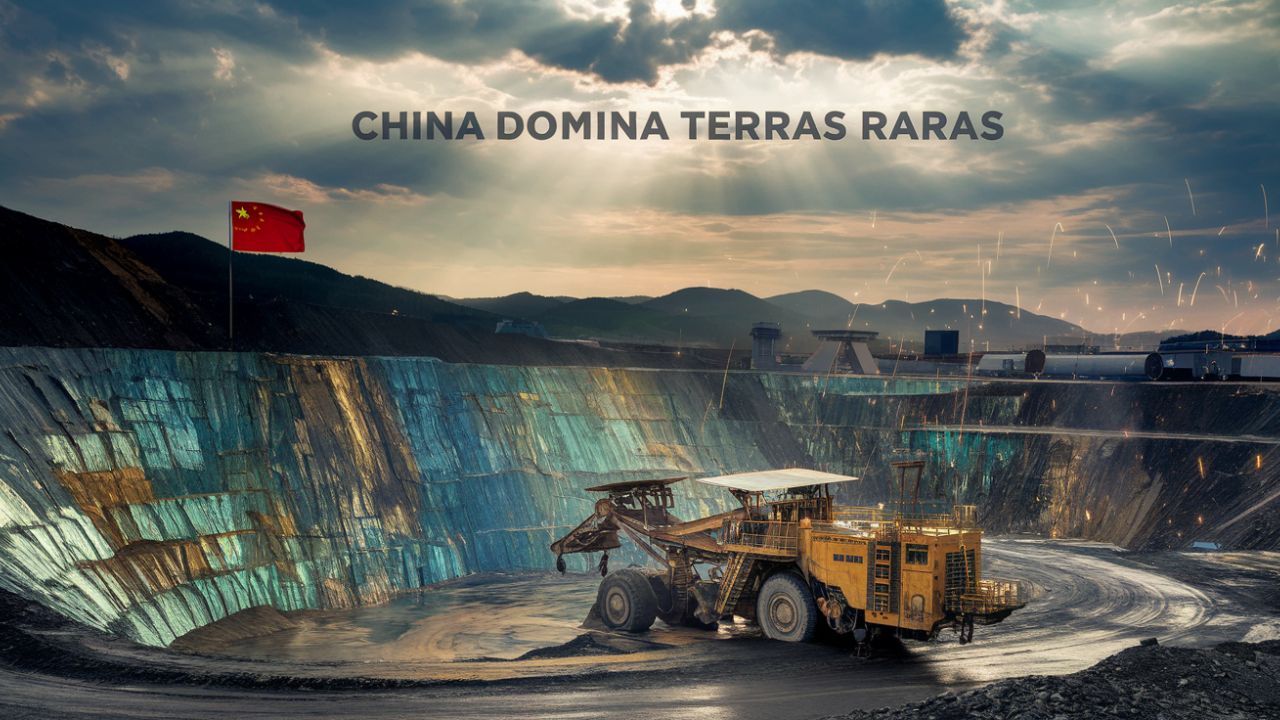


With the discovery of a giant rare earth deposit in Honghe, Yunnan, estimated at 1.15 million tons, including more than 470,000 tons of praseodymium and neodymium, China reinforces its strategic power over essential resources for high-tech, electric vehicles, and renewable energy.
China, a giant in mineral resource exploration, has just found a true hidden treasure. In Honghe, in the province of Yunnan, geologists discovered a colossal rare earth deposit estimated at 1.15 million tons. You might be wondering: why is this so important? Well, these minerals are the invisible pillars of modern technology, powering everything from smartphones to electric cars. Let’s explore the impact of this discovery!
What Are Rare Earths and Why Are They So Valuable?
Rare earths are not so “rare” after all, but their concentration in exploitable deposits is what makes them special. With hard-to-pronounce names like praseodymium and neodymium, these minerals are essential for high-tech applications. Can you imagine a world without electric motors or wind turbines? Indeed, it would be impossible without these elements.
Praseodymium and neodymium, estimated at over 470,000 tons in the new deposit, are the silent heroes behind super-powerful magnets used in the renewable energy industry and the automotive sector. With this discovery, China reinforces its dominance in a vital market for the global energy transition.
-
China could reduce iron ore imports from 80% to 50% of consumption by 2030, while its share in global steel production falls from 52% to 46%, in a shift that could reshape the global market, says CMRG.

-
Brazil is sitting on one of the largest lithium reserves in the world, in the Jequitinhonha Valley, but national mining has almost become an appendage of China: 97% of the metal’s export goes to a single country, which also dominates refining.
-
Iron ore falls to 762 yuan in China as real estate sales decline and steel production hits lowest level since 2018
-
Brazil has minerals, clean energy, and a waiting market, but it could miss a billion-dollar opportunity if it doesn’t speed up the race for green minerals, while the steel industry seeks to reduce emissions.


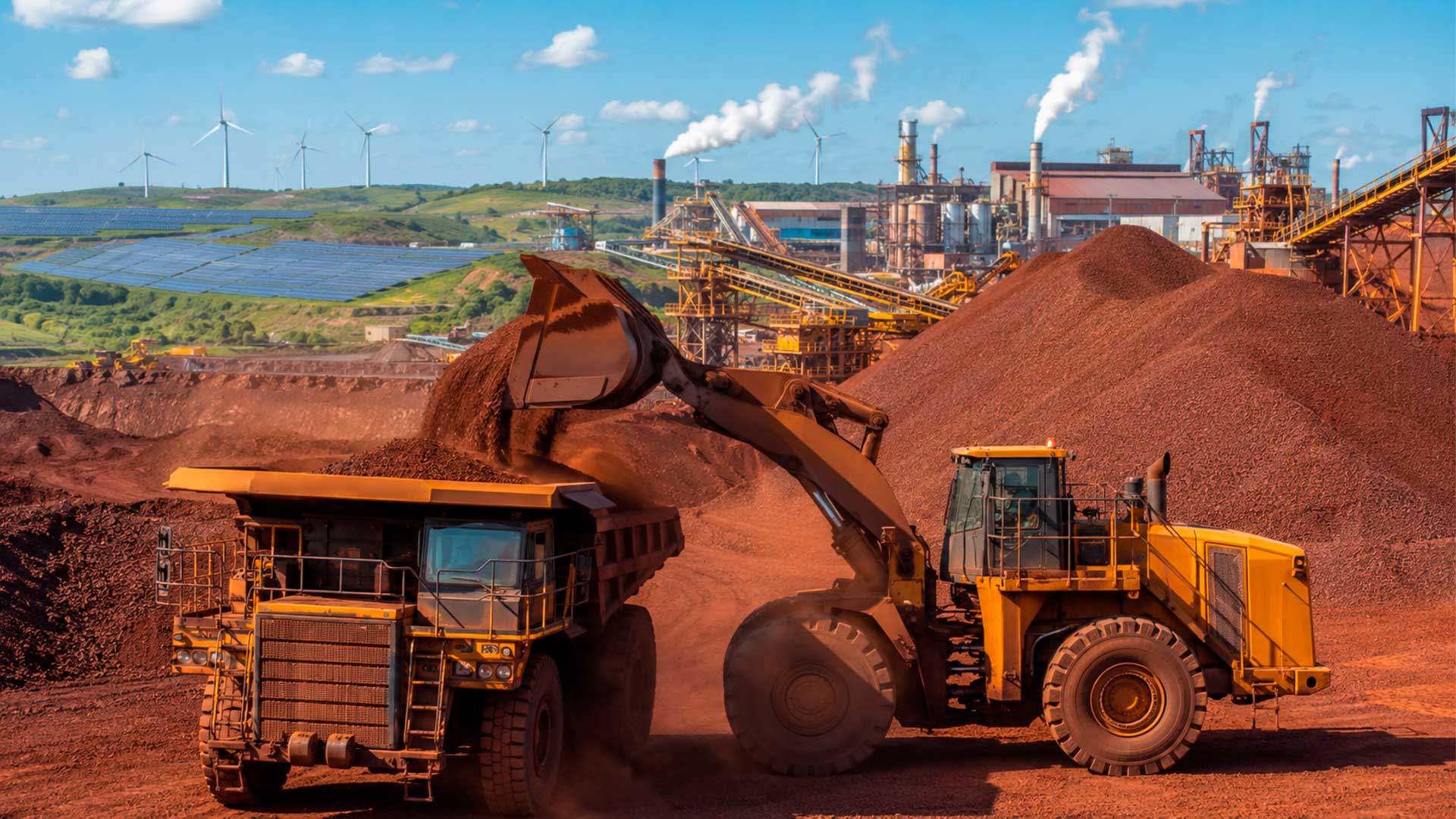
The Discovery in Honghe: Details of the New Deposit

According to the Chinese Geological Service, this deposit is one of the largest of its kind in ion adsorption. In other words, the minerals are “trapped” in clay, making their extraction less impactful on the environment. This is a win not only for the industry but also for sustainability.
Unlike traditional methods that involve deep digging and damaging the soil, ion adsorption minerals can be extracted more cleanly. It’s like picking ripe fruits straight from the tree, but on an industrial scale.
The Global Impact of the New Discovery
This discovery puts China in an even stronger position in the global rare earth market, which it already dominates comfortably. After all, with 44 million tons in deposits, the country is the undisputed leader in this sector.
While other countries try to find alternatives or develop recycling technologies, China continues to extend its lead. This means that, in the short term, global reliance on China is only likely to grow.
A Golden Year for Mineral Exploration in China
2024 was a spectacular year for Chinese mining. Besides the deposit in Yunnan, the country also discovered new rare minerals in Inner Mongolia and a gigantic gold field in Hunan. These advances consolidate China as a superpower in natural resources.
With this discovery, China not only strengthens its economy but also solidifies its role as a global leader in energy transition. But the question remains: will the rest of the world be able to keep up with the pace?






Se é verdade, isso não saberemos nunca! Pod m tá apenas anunciando pra justificar o desvio de que extraem em outros lugares mundo agora, principalmente aqui do Brasil, investiguem que vão saber o que tô dizendo. Só na Bahia são várias mineradoras se passando por outros minérios e levando pra china ilegalmente…
A china esta SEMPRE surpeendendo o mundo
Só acredito vendo. É uma jogada para cair o preço do ouro no mercado internacional, e assim a china compra todo o ouro que puder, e fica no domínio desse mercado, passando a vender o ouro a quem pagar mais.