Portuguese
  Spanish


The advance of urban mining reorganizes the debate on electronic waste, rare earths, and the reuse of discarded strategic minerals in Brazil
A new stage in the race for critical minerals has begun to gain momentum in Brazil, attracting the attention of the industrial, environmental, and technological sectors. The country has initiated the largest national mapping of the so-called urban mine of electronic waste, focusing on the potential for reusing discarded equipment. According to published information, the initiative seeks to understand how cell phones, computers, batteries, and other devices can re-enter the production chain. The topic gained relevance because Brazil has the second-largest rare earth reserve in the world, and yet still discards inputs considered strategic. This scenario shows that part of the materials used in modern technologies continues to be lost in electronic waste.
Urban mining gains strategic space in Brazil
The proposal emerged at a time of increased international competition for minerals used in technology, clean energy, and electronic equipment. Therefore, electronic waste began to be seen as a complementary source of strategic inputs. Discarded cell phones, computers, batteries, and other devices concentrate valuable materials for different industrial chains. This movement strengthens the concept of urban mining, which seeks to recover reusable elements present in electronic waste. At the same time, the initiative broadens the debate on the circular economy, reverse logistics, and industrial reuse.
Brazil tries to reduce waste of strategic minerals
Although the country has great relevance in the rare earth market, part of these materials is still discarded without proper reuse. The mapping seeks to understand where the main volumes of electronic waste are located and how these materials can return to the production chain. The proposal also aims to identify bottlenecks related to the collection, separation, and reuse of discarded equipment. This scenario highlights how electronic waste has ceased to represent merely environmental disposal and has come to be treated as an economic asset. As the international race for critical minerals advances, countries with strategic reserves and industrial capacity gain more attention.
-
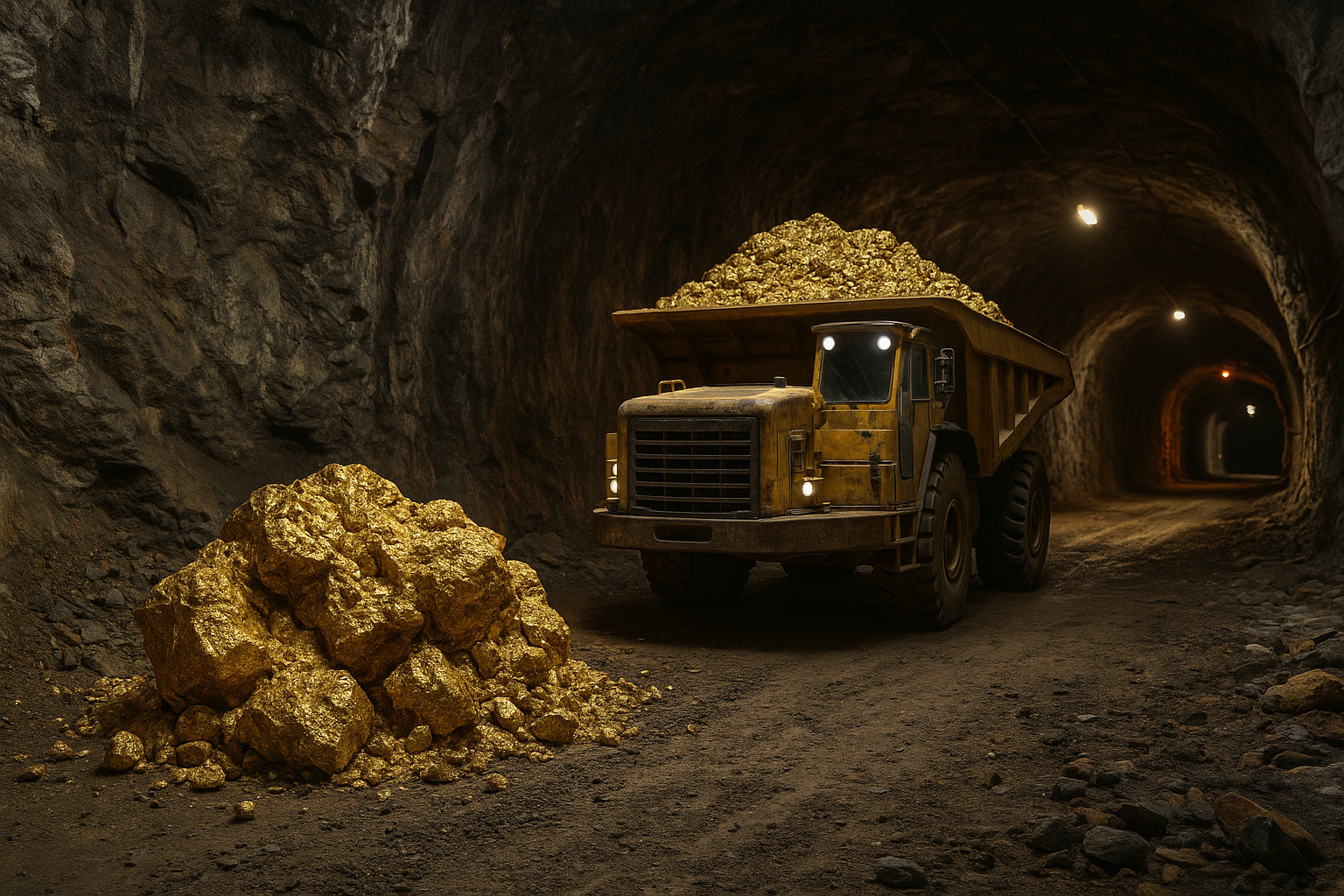
U.S. Invests $75 Million in Projects to Extract Rare Earths, Gallium, Germanium, and Aluminum from Coal Waste

-
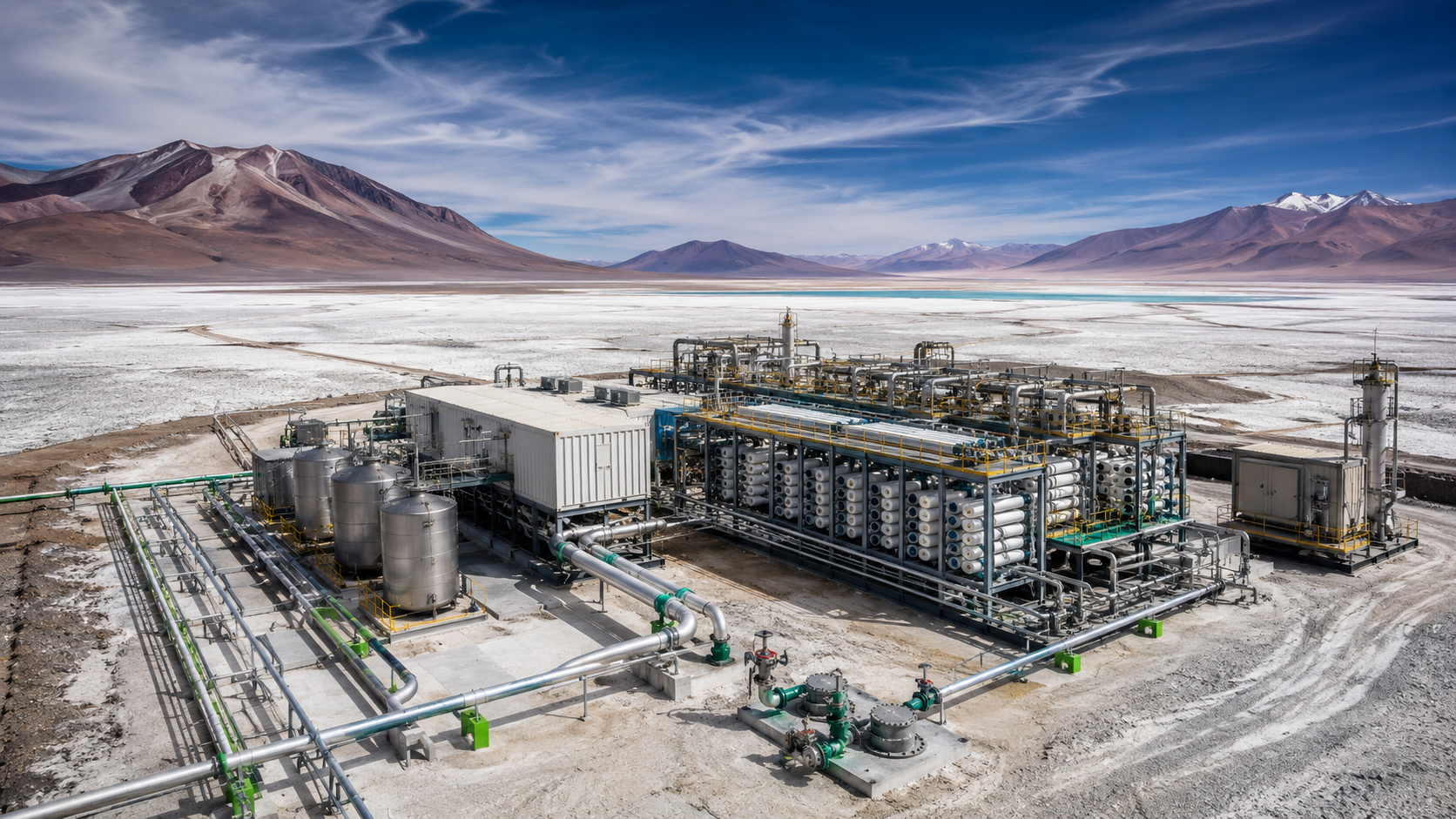
Eni Acquires 25% Stake in Chilean Lithium Project, Plans to Invest Up to $225 Million in Eco-Friendly Extraction Method
-
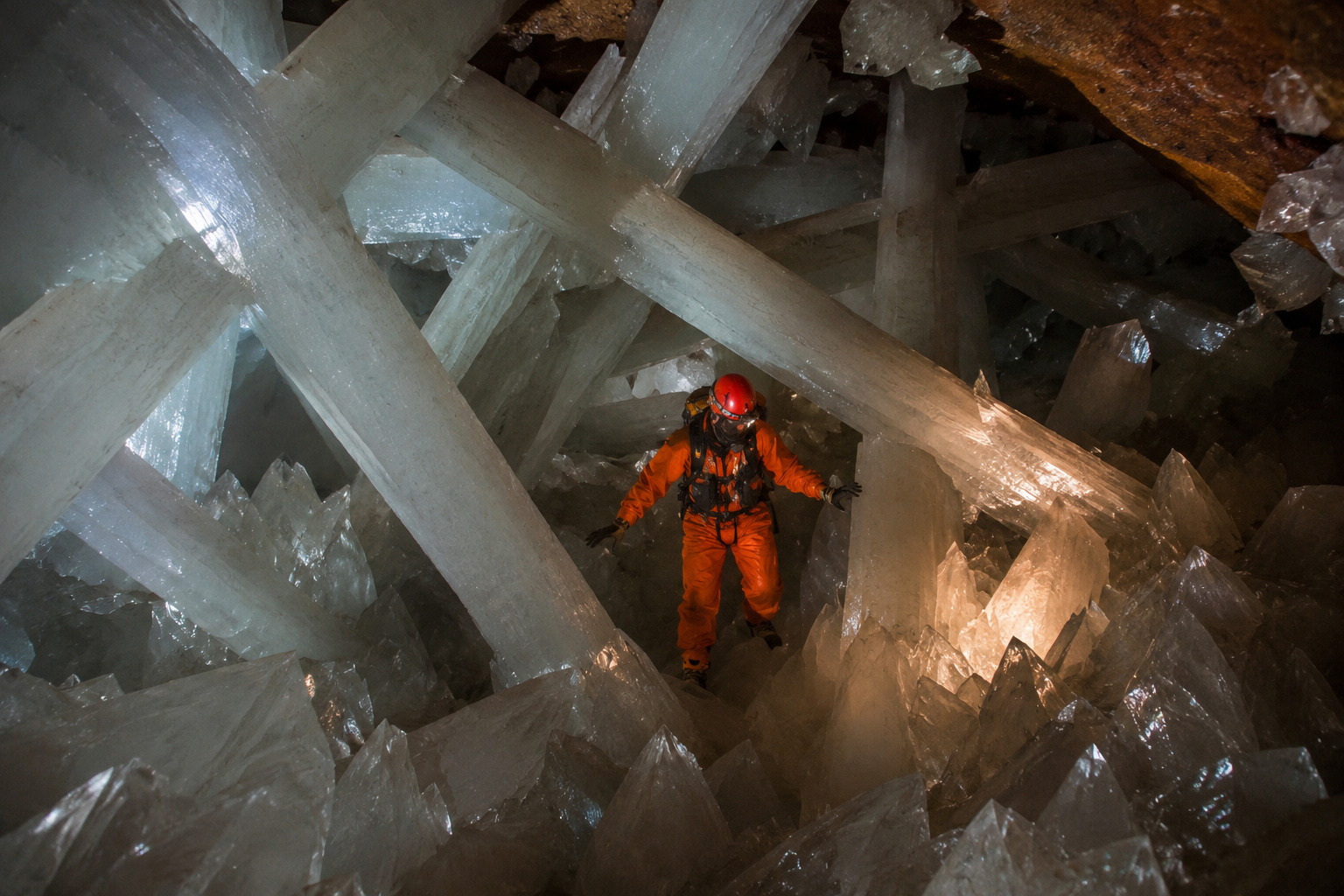
Mexico’s Giant Crystal Cave: A Deadly 58°C Underground Palace with 11-Meter Crystals Formed Over Nearly a Million Years

-
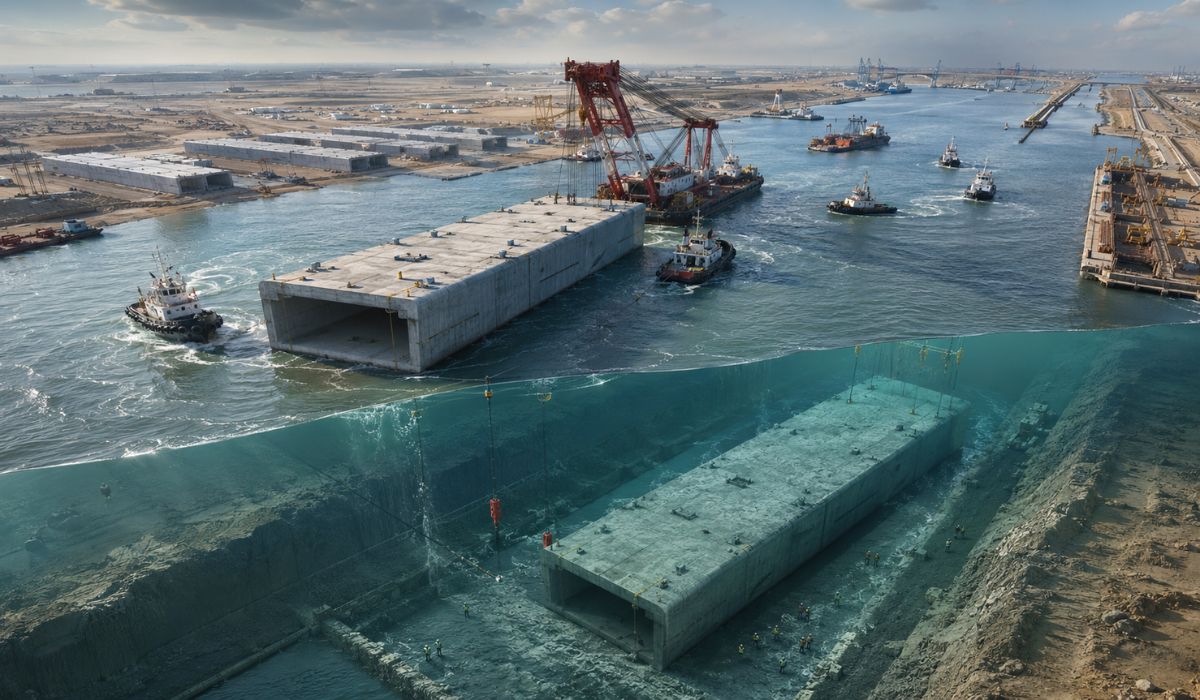
China Dominates Over 90% of Rare Earth Refining, Prompting Global Concerns: Canada and Japan Launch Billion-Dollar Plan to Reduce Dependency and Safeguard Batteries, Semiconductors, and Defense


Industrial reuse enters the center of discussion
The initiative reinforces the importance of structuring mechanisms aimed at reverse logistics and the recovery of electronic materials. Brazil is trying to understand how to transform technological waste into a source of industrial inputs. The progress of the mapping demonstrates that discarded equipment still concentrates valuable materials that can return to the productive market. This process reorganizes the perception of electronic waste and expands economic interest around urban mining. Sector specialists observe that reuse can reduce losses and expand the strategic use of materials already existing in the country.
Global race for critical minerals pressures producing countries
Currently, critical minerals occupy a central position in sectors linked to technology, energy, and advanced industry. As a consequence, countries with strategic reserves have begun to receive increasing attention on the international stage. Brazil appears in this context due to the dimension of its rare earth reserves and the potential linked to the reuse of electronic waste. Still, inadequate disposal remains a significant challenge for the country. This movement demonstrates that electronic waste has ceased to represent merely an environmental problem and has become part of economic, industrial, and technological discussions.
The future of urban mining in Brazil
Experts and sector representatives believe that the mapping could reorganize the understanding of critical mineral reuse in Brazil. The possibility of recovering strategic materials present in electronic waste expands economic interest around urban mining. Meanwhile, the country is trying to understand how to structure a more efficient chain to reduce waste and expand industrial reuse.
Do you believe Brazil will be able to transform electronic waste into a strategic source of critical minerals before these materials continue to be discarded?