Portuguese
  Spanish



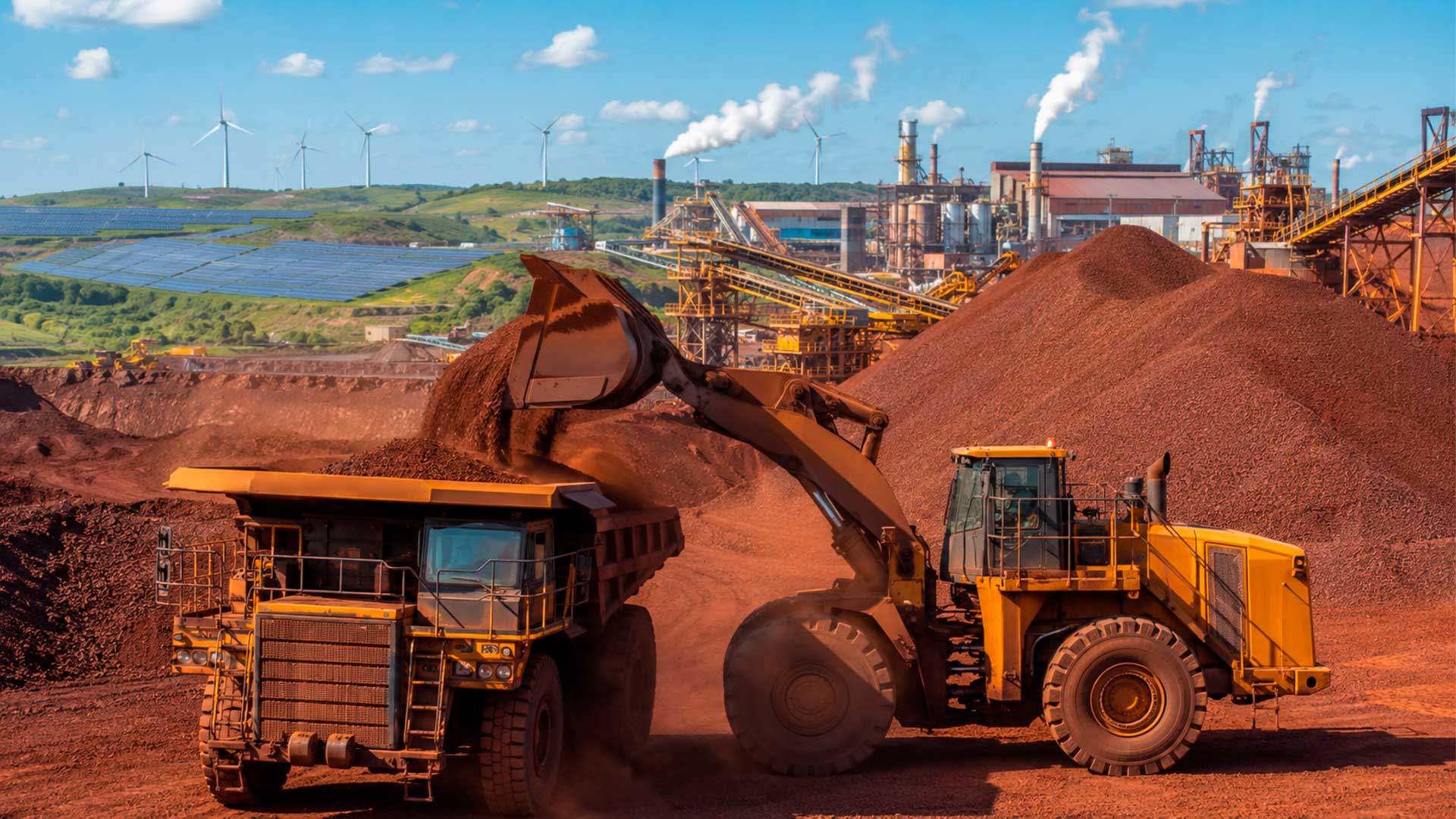
MRN receives Ibama license to open new bauxite mines in Pará with R$ 9 billion in investments until 2041.
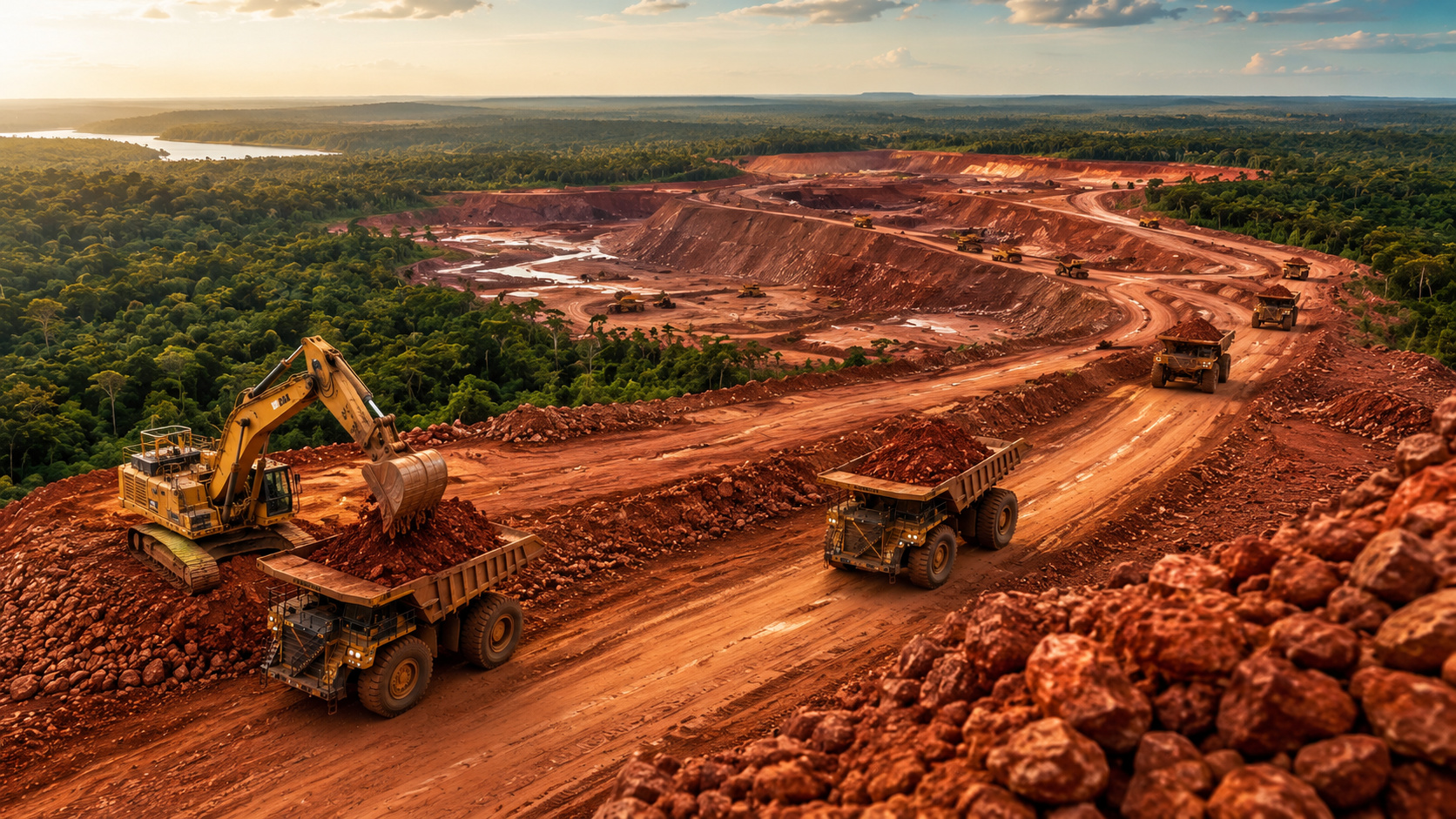
Mineração Rio do Norte received from Ibama the Installation License for the New Mines Project, an initiative that will allow the continuity of the company’s bauxite operations in western Pará until 2041. The authorization, released at the end of April 2026, greenlights the start of construction for new mining areas and represents one of the largest recent movements in Brazilian mining in the Amazon.
The project foresees R$ 9 billion in investments between 2027 and 2041, in addition to approximately R$ 1.9 billion already scheduled for 2026. According to the company, the operational goal is to maintain annual production close to 12.5 million tons of bauxite, an essential raw material for aluminum manufacturing.
The license also has a direct impact on the regional economy. MRN states that the undertaking will help to sustain more than 7,500 jobs and maintain economic activity in municipalities strongly linked to mining in western Pará.
-
Study Reveals 97% of Pregnant Munduruku Women in the Brazilian Amazon Have Mercury Levels Above Safe Limits, 90% of Newborns Contaminated by Gold Mining

-
China could reduce iron ore imports from 80% to 50% of consumption by 2030, while its share in global steel production falls from 52% to 46%, in a shift that could reshape the global market, says CMRG.
-
Brazil is sitting on one of the largest lithium reserves in the world, in the Jequitinhonha Valley, but national mining has almost become an appendage of China: 97% of the metal’s export goes to a single country, which also dominates refining.
-
Iron ore falls to 762 yuan in China as real estate sales decline and steel production hits lowest level since 2018


New Mines Project emerges to prevent production drop for Brazil’s largest bauxite miner
Mineração Rio do Norte is considered the largest bauxite producer in Brazil. The company has operated for decades in the western Pará region, especially in the municipalities of Oriximiná, Terra Santa, and Faro.
According to information from the company itself, the New Mines Project was created because the currently explored areas are heading towards gradual depletion in the coming years. From 2026 onwards, the company would need to start operations in new plateaus to maintain production volume and ensure the continuity of the industrial chain associated with aluminum.


The project foresees the exploration of five new mining areas: Rebolado, Escalante, Jamari, Barone, and Cruz Alta Leste. These areas are located within the mineral region historically operated by the company in western Pará.
Ibama license concludes stage started in 2018 and greenlights start of works
The environmental licensing process for the New Mines Project officially began in 2018. Since then, the company has gone through stages of environmental studies, technical analysis, and consultations related to the social and environmental impacts of the undertaking.
The Preliminary License had already been granted previously, but the Installation License represents a decisive milestone because it effectively authorizes the start of construction for the new mines.
According to material released by the company and specialized vehicles in the mineral sector, Ibama’s authorization also validates environmental control measures, social programs, and mitigation actions foreseen in the project.
In practice, the license prevents a possible sharp reduction in MRN’s production in the coming years, a scenario that could affect jobs, revenue, and part of the aluminum chain in Brazil.
Production of 12.5 million tons per year sustains the industrial aluminum chain
The bauxite extracted by MRN is used as raw material for the production of alumina and aluminum, inputs present in sectors such as civil construction, packaging, aviation, transport, electrical cables, and the automotive industry.
According to the company, the New Mines Project was designed to maintain production close to 12.5 million tons of bauxite annually.
This volume is relevant because aluminum continues to be one of the most used metals in modern industry, especially in processes linked to energy transition and weight reduction in vehicles and industrial equipment.
Furthermore, MRN’s operational continuity helps sustain part of the logistical infrastructure built over decades in the Amazon region for mineral transport and export.
Billion-dollar investments reinforce mining’s economic weight in Pará
The value foreseen for the project is impressive in scale. Summing the investments between 2027 and 2041 and the resources already planned for 2026, the undertaking could move more than R$ 10 billion over the next few years.

These investments involve mine opening, operational infrastructure, transport systems, environmental recovery, equipment, and maintenance of industrial operations.
Pará already holds a prominent position within Brazilian mining. The state concentrates a significant part of the national production of iron, copper, manganese, and bauxite, in addition to large projects linked to the mineral sector.
The continuity of MRN’s operation helps maintain western Pará as one of the most relevant areas for Amazonian mining, especially within the global aluminum chain.
More than 7,500 jobs depend on MRN’s operational continuity
The company states that the project will contribute to the maintenance of over 7,500 direct and indirect jobs. According to the released data, about 85% of the operation’s workers are from Pará.
In addition to direct labor, mineral activity drives contracts with transport, maintenance, food, industrial services, and regional trade companies.
Mining municipalities often develop a strong economic dependence on mineral activity, which makes operational continuity a central factor for local revenue and economic circulation.
Brazilian bauxite gains relevance in global industrial demand scenario
The authorization of the New Mines Project occurs at a time when aluminum remains strategic for global industrial sectors.
The metal is considered important for electric vehicles, energy infrastructure, packaging, and lightweight construction. This keeps international demand for bauxite and alumina at high levels.

At the same time, mining companies face increasing pressure to demonstrate environmental control, traceability, and reduction of climate impacts in their operations.
In this context, mineral expansion projects have come to depend not only on economic viability but also on the ability to meet increasingly stringent environmental requirements.
Operation until 2041 helps preserve the competitiveness of Brazilian mining
According to the company, the New Mines Project will allow MRN to maintain operational competitiveness until 2041. The continuity of operations prevents loss of industrial scale and preserves logistical chains associated with bauxite mining in Pará.
This includes railway infrastructure, processing systems, port, and supply contracts linked to the aluminum chain.
The question now is how Brazil will manage to balance mineral expansion, job creation, and economic revenue with the increasingly intense environmental and social pressures on mining projects in sensitive areas of the Amazon.