Portuguese
  Spanish


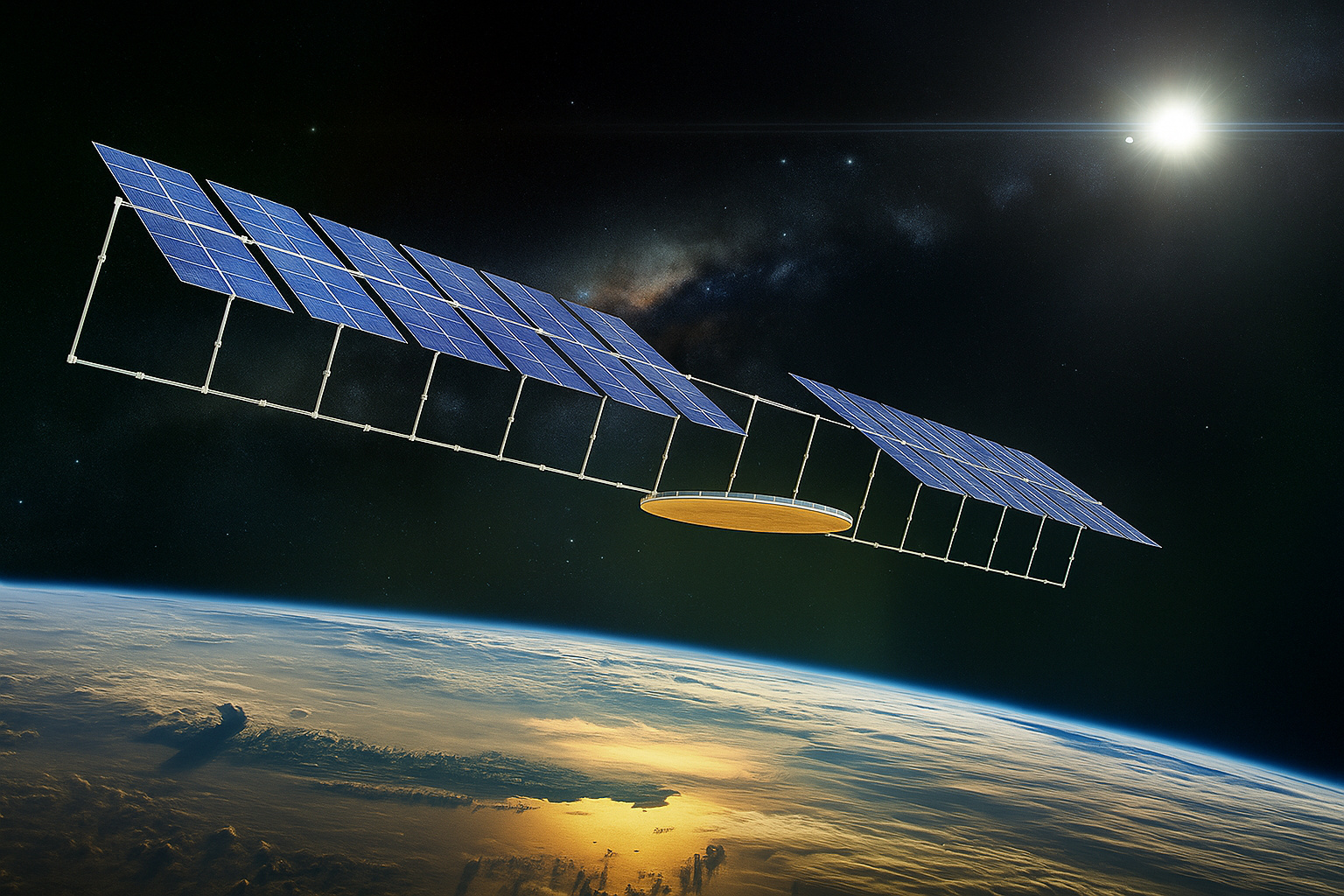


Discover How China Plans to Generate Clean Energy 24 Hours a Day with Its Innovative Space Solar Power Plant in Orbit.
China is about to mark a new chapter in the history of energy exploration with the launch of its ambitious space solar power project.
Furthermore, this project involves the construction of a solar plant 36,000 kilometers from Earth, representing not only a technological advance but also an innovative approach to address the growing global demand for clean and sustainable energy.
Over the past few decades, humanity has sought alternatives to reduce dependence on fossil fuels and, consequently, mitigate the environmental impacts of energy consumption.
-
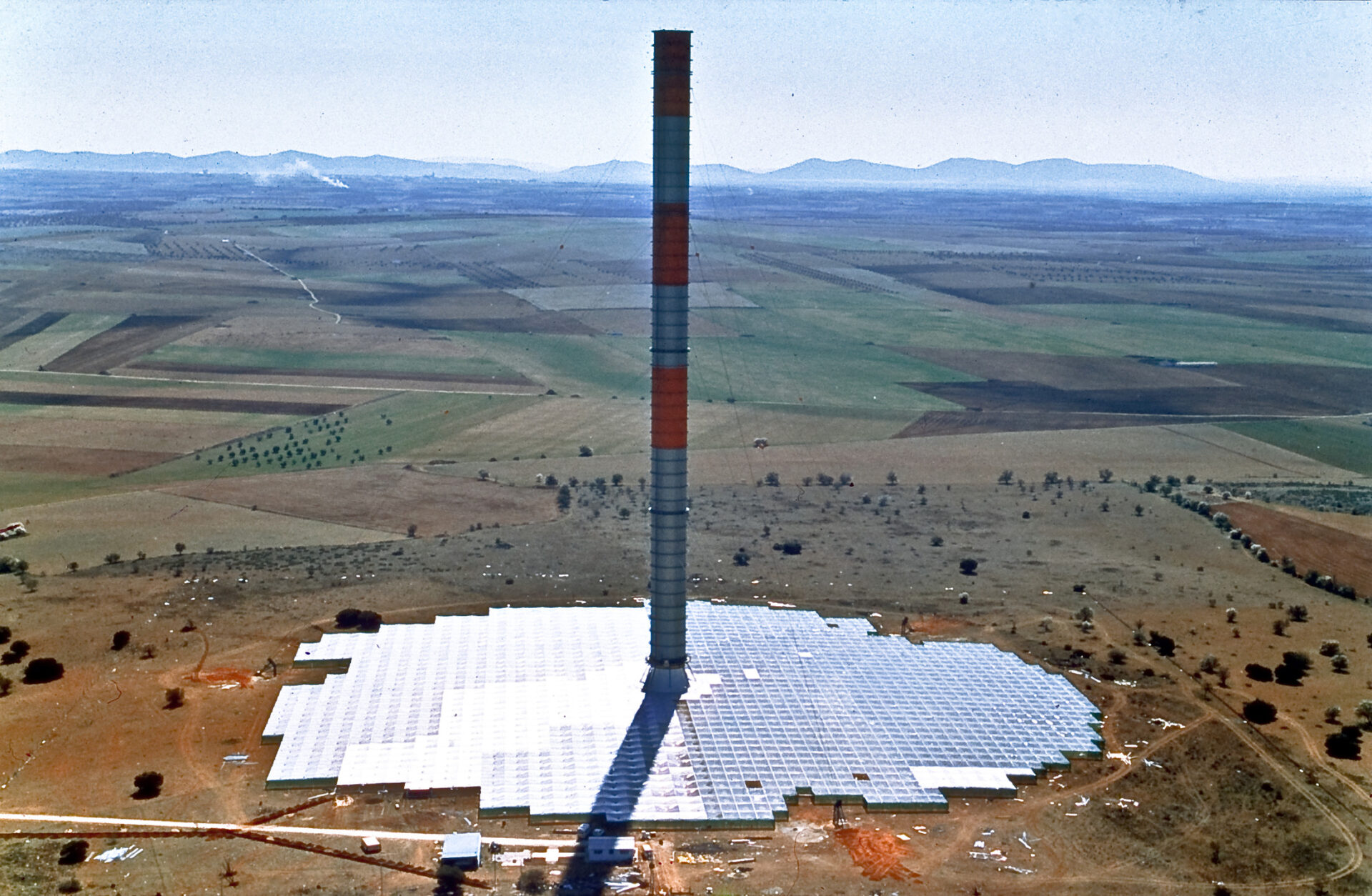
Solar Chimney in Spain Harnessed Sun to Generate Electricity for 7 Years Without Burning Fuel

-
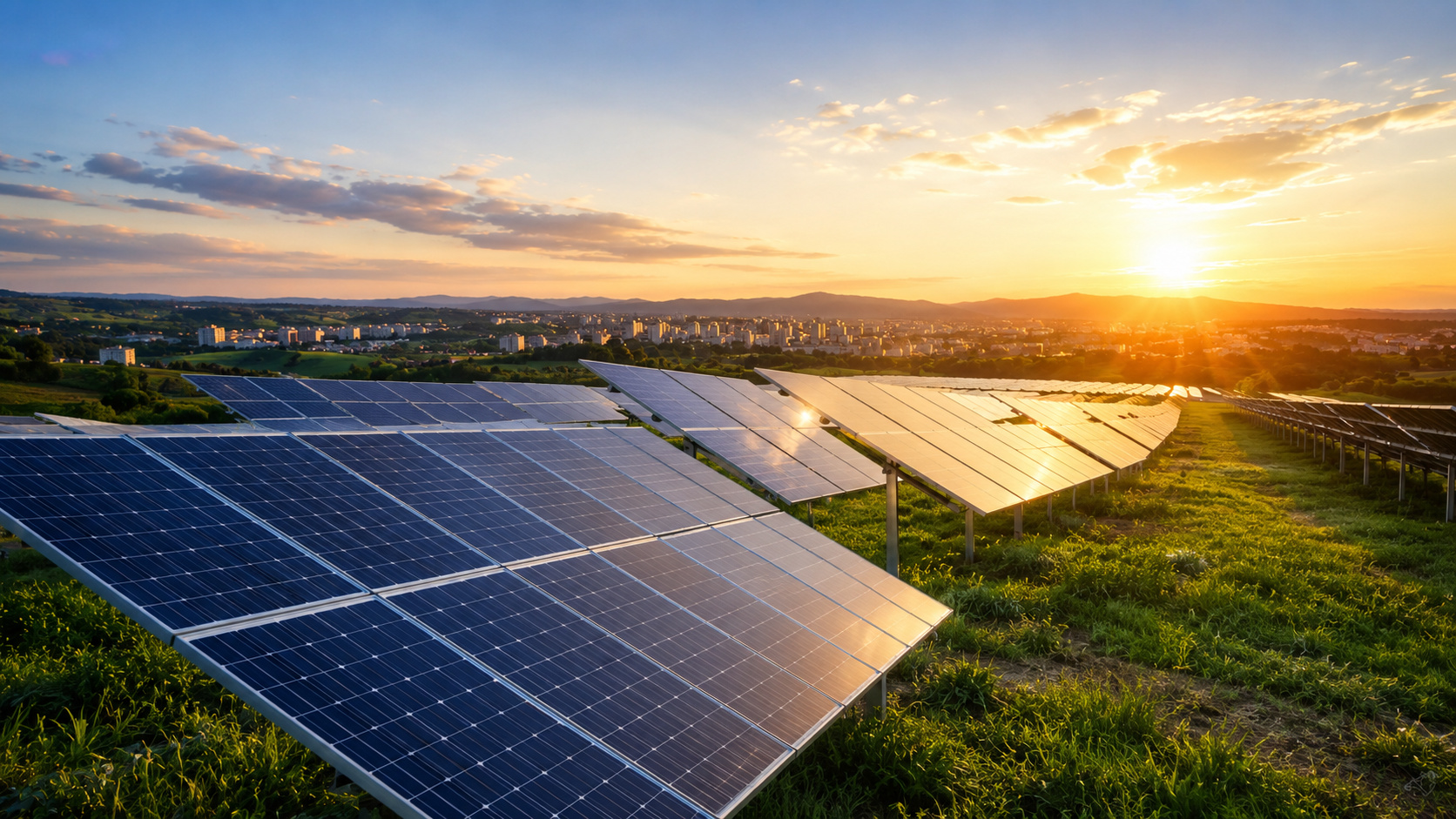
Solar energy reaches 55 GW, becoming the second largest power source in Brazil’s energy mix

-
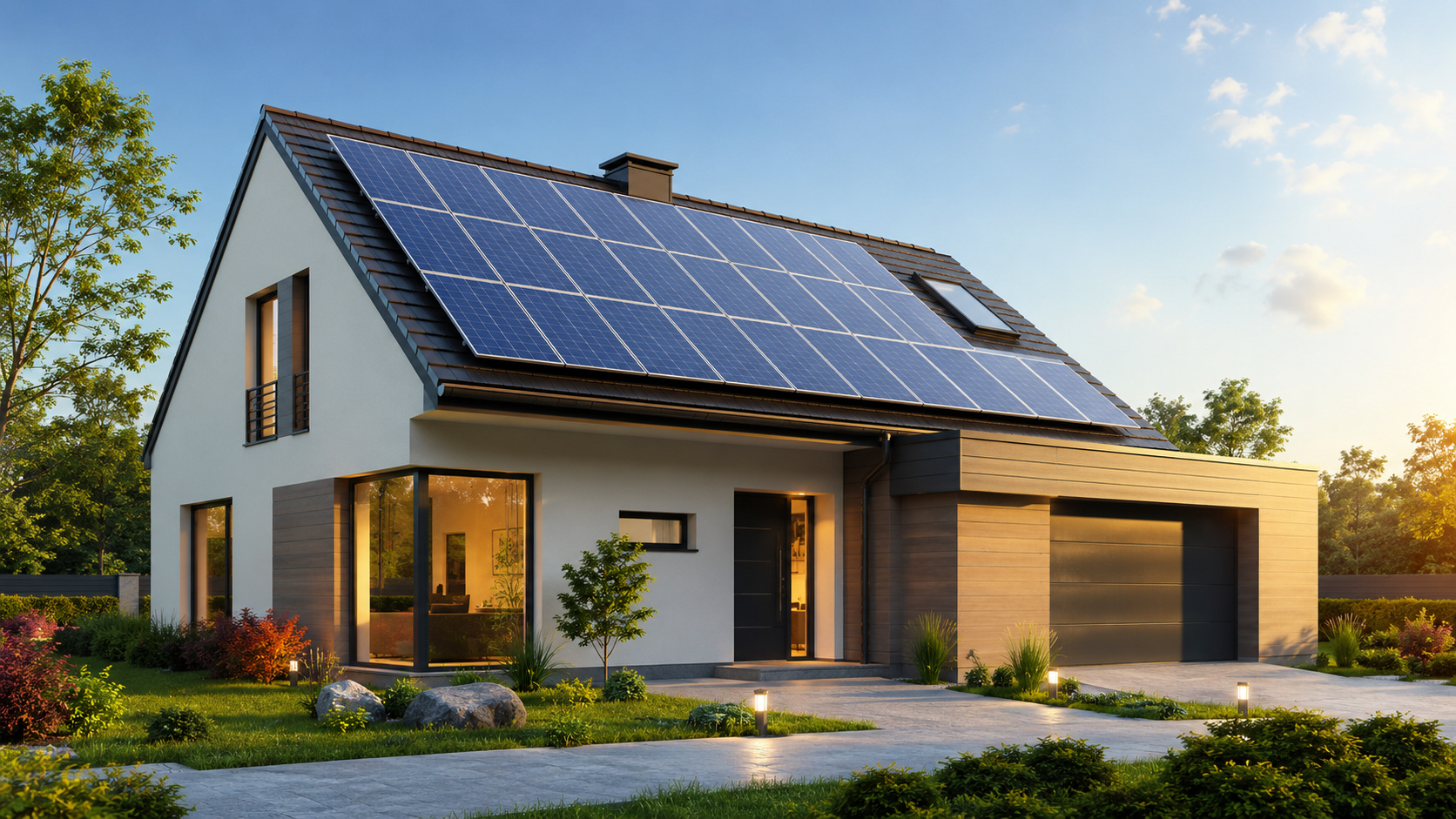
Solar energy can increase property value by up to 10% and become a selling point.
-
Solar and wind energy surpass natural gas for the first time in the world and accelerate energy revolution


Therefore, in this context, space solar power emerges as a revolutionary promise.
The idea of collecting energy directly from space is not new.
Since the 1960s, scientists and engineers have been studying ways to harness solar radiation more efficiently than on the Earth’s surface.
At that time, the first proposals involved theoretical concepts of large solar panels orbiting the Earth, capable of generating continuous electricity and sending it via microwaves or lasers to receiving stations on the ground.
However, technological limitations and the high cost of space launches made these ideas unviable.
With recent advances in space exploration and the development of more powerful rockets, these plans have begun to materialize.
Moreover, the rising global energy demand makes the search for innovative solutions increasingly urgent.
Indeed, developing countries, large urban centers, and remote areas face constant challenges to ensure reliable electricity.
For this reason, space solar power emerges as a strategic necessity for the future of global society.
The Structure and Operation of the Orbital Solar Plant
The Chinese space solar power project involves the construction of a macrostructure of solar panels in geostationary orbit, approximately 36,000 kilometers away from Earth.
This way, the plant will remain fixed relative to a point on the planet, ensuring continuous solar light capture without interruptions caused by the day-night cycle or weather conditions.
Unlike terrestrial solar plants, which rely on direct sunlight and can be impacted by clouds, storms, and atmospheric pollution, an orbital installation produces energy consistently, which could revolutionize the energy sector.
According to information released by the South China Morning Post, the energy collected by the solar panels will be converted into microwaves and sent to receiving stations on Earth.
There, it will be converted back into electricity.
This process promises high efficiency and offers an innovative solution to historical problems in solar energy supply, such as intermittency and storage needs.
Additionally, microwave transmission reduces the need for large cables and physical infrastructure, making the system more flexible and adaptable.
The project’s development will follow gradual stages.
Initially, the first phase involves launching a 10 kW test station in 2028, allowing engineers to assess the technological viability and adjust the transmission system.
Next, the goal is to achieve 1 MW of capacity by 2030, 10 MW by 2035, and 2 GW by 2050.
To put these plans into practice, large rockets, such as the Long March-9, currently in development by China, will be necessary.
They will be capable of transporting the colossal components of the plant into orbit.
Moreover, the total size of the structure is projected to be around one kilometer in length, reflecting the magnitude of the technical challenge involved.
Additionally, constructing and maintaining a structure of this complexity will also bring indirect advancements in areas such as robotics, artificial intelligence, remote control of orbital systems, and materials engineering.
Consequently, these innovations could apply in various sectors, from space exploration to terrestrial infrastructure and more efficient energy solutions.
Historical Context and Evolution of Energy Sources
Historically, the search for cleaner energy sources has always accompanied economic development and energy security.
In the 20th century, countries adopted nuclear energy as an alternative to coal and oil, achieving significant generation capacity but facing significant environmental and safety risks.
In recent decades, solar and wind energy have established themselves as reliable renewable options, although still limited by intermittency and climate impact.
Therefore, the Chinese proposal for space solar power represents the next step in energy evolution, combining sustainability with continuous production without compromising the environment.
In addition to environmental advantages, the project also demonstrates China’s technological capacity and strategic vision in the global landscape.
Indeed, constructing a solar plant 36,000 km high requires advanced mastery of aerospace engineering, automation, radiation-resistant materials, and high-efficiency energy transmission systems.
Consequently, the success of this initiative will consolidate the country as a leader in energy innovation and open doors for future space applications, such as energy supply for missions on other planets or inhabited stations outside of Earth.
The potential impact of space solar power goes beyond technology.
By providing electricity continuously, it significantly reduces the need for thermal power plants.
Additionally, it reduces greenhouse gas emissions and contributes to global decarbonization goals.
Furthermore, the generated energy can reach remote or island regions, where access to electricity is still limited.
This promotes energy inclusion and economic development.
In the long run, the implementation of this technology could redesign the role of renewable sources in the global energy mix.
Indeed, the continuous and scalable production of energy from space will complement terrestrial solar parks and wind turbines, ensuring stable supply even during periods of low local production.
The Future of Renewable Energy in Space
Although the project is still in its early stages, it clearly shows the trend of integrating space exploration and energy generation.
As the cost of space launches decreases and solar panel efficiency increases, the energy collected in orbit will become a viable and competitive alternative to traditional sources.
Moreover, this approach encourages research in new technologies, such as ultra-light materials, wireless transmission systems, and modular structures that assemble in space.
By investing in space solar power, China demonstrates that the future of renewable energy is not limited to planet Earth.
The ability to produce electricity consistently and sustainably, free from the natural obstacles of the atmosphere, opens up unprecedented possibilities for humanity.
Consequently, projects like this indicate that the exploration of energy resources can expand beyond land and oceans, harnessing the nearly unlimited potential of space.
Besides its technical relevance, the initiative also carries strong historical symbolism.
From the first experiments with terrestrial solar energy to manned space missions, humanity has always sought to overcome limits and transform knowledge into progress.
Thus, space solar power represents the convergence of these trajectories.
The accumulated experience in renewable energy and expertise in space exploration unite to create innovative and lasting solutions.
The project also encourages international cooperation and scientific development.
Thus, universities, research centers, and companies specializing in space technology benefit from the advancement of these techniques.
This stimulates new generations of engineers and scientists.
This multiplier effect will accelerate the adoption of renewable energies on a global scale.
Consequently, it positively impacts the economy and the environment.
If successful, the Chinese space solar plant will provide clean energy for millions of homes and businesses.
In addition, it will enhance energy security and stimulate the transition to a low-carbon economy.
Moreover, it establishes a new standard for global energy projects, encouraging other countries to invest in cutting-edge technologies and rethink how energy is generated and distributed.