






 Portuguese
  Spanish


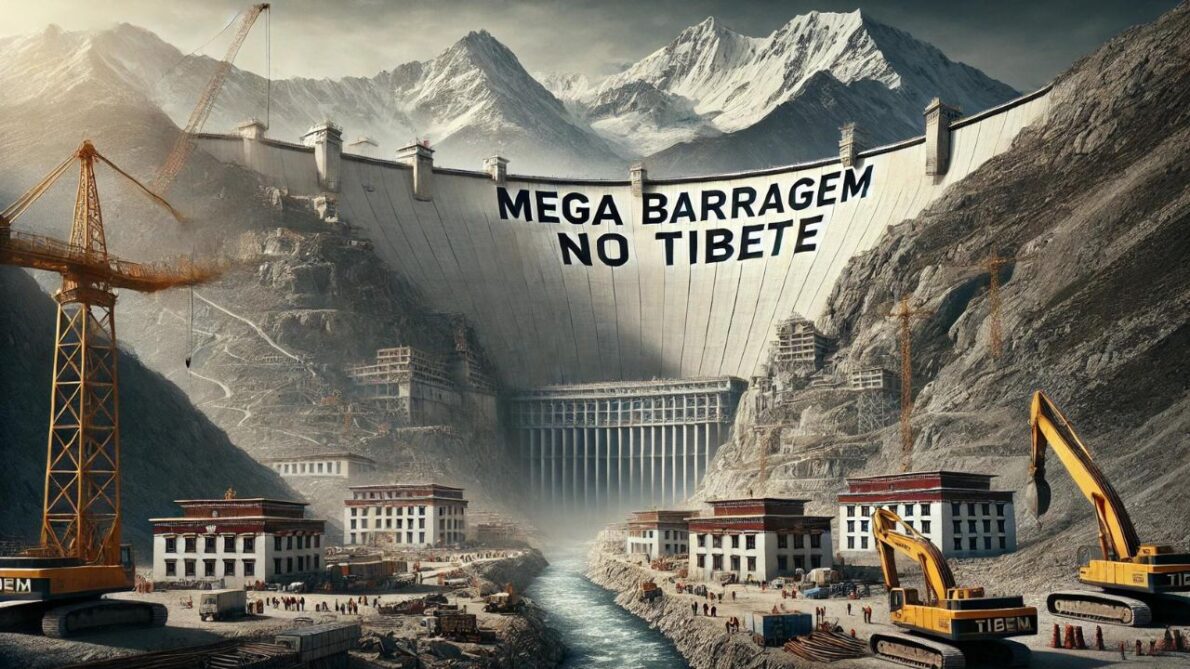

China’s US$ 150 Billion Himalayan Mega Dam Promises Energy Revolution
China is about to embark on one of the world’s most ambitious and challenging projects: the construction of a mega hydroelectric dam on the Yarlung Tsangpo River, in the remote Tibetan plateau. This mega project, which has already earned the nickname Super Dam of the Yarlung Tsangpo, promises to generate an amount of energy 30 times greater than that of the Itaipu Hydroelectric Plant, the largest in Brazil.
Located in one of the most inaccessible regions on the planet, surrounded by some of the highest mountains in the world, the construction of this mega dam presents numerous logistical and technical challenges. The area is prone to frequent earthquakes, which can further complicate the progress of construction.
The US$ 150 Billion Himalayan Mega Dam by China
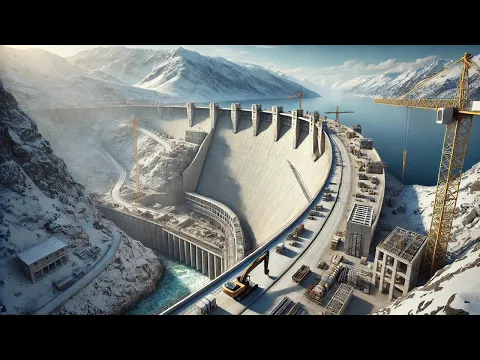

The energy generated by this super dam would be sufficient to supply both São Paulo and Rio de Janeiro, highlighting the magnitude and importance of this project for China. Compared to the Three Gorges Dam, the largest hydroelectric plant currently in operation in China, the new mega dam will be three times more powerful.
-
More than 6,000 trucks poured nearly 70,000 cubic meters of concrete without interruption for 72 hours to create the largest continuous concrete pour in history and erect a megaproject in Saudi Arabia.

-
28-meter, 156-ton titans traveled 20,000 km from China to the port of Santa Catarina: Portonave received 7 fully electric megacranes, part of a R$ 210 million package, to double container handling.
-
They exchanged the idea of a large house for a 35 m² warehouse, spent US$ 12,000 on the structure, and created a tiny house in Colorado with space to live and work.

-
A newly opened terminal in the middle of the Amazon has begun transporting soy and corn through Amapá, eyeing the queue of ships that is congesting the ports in the South.



China has a long history of harnessing hydroelectric power, which has played a crucial role in the country’s economic development and energy transformation. Since ancient times, the Chinese have used the power of rivers, but it was in the 20th century that they began to explore hydroelectric potential on a large scale.
However, the construction of this new mega dam in Tibet faces monumental challenges. The region is rich in biodiversity, with new species being discovered annually. The construction could have a devastating impact on these fragile ecosystems, threatening rare species and local biodiversity.
Geopolitical and Environmental Impacts
Besides the technical and environmental challenges, the construction of the Himalayan mega dam has significant geopolitical implications. The relationship between China and India is already delicate, with border disputes and competition for resources. Controlling the flow of the Yarlung Tsangpo River could exacerbate these tensions, turning water into a tool of political and economic influence.
Experts warn that this could be one of the riskiest and most expensive projects ever undertaken on any watercourse in the world. The viability of the project and its long-term consequences for the region and neighboring countries remain uncertain.
As China moves forward with its plan to build the most powerful dam on the planet, the success or failure of this mega project will have lasting repercussions, both positive and negative, for China and its neighbors. Will China succeed in completing this monumental project? And what will be the consequences for India and Bangladesh?








Como a China não consegue? Os melhores engenheiros do planeta estão lá e dinheiro 💰💰💰 nao falta