






 Portuguese
  Spanish
  3 min of reading
  0 comments


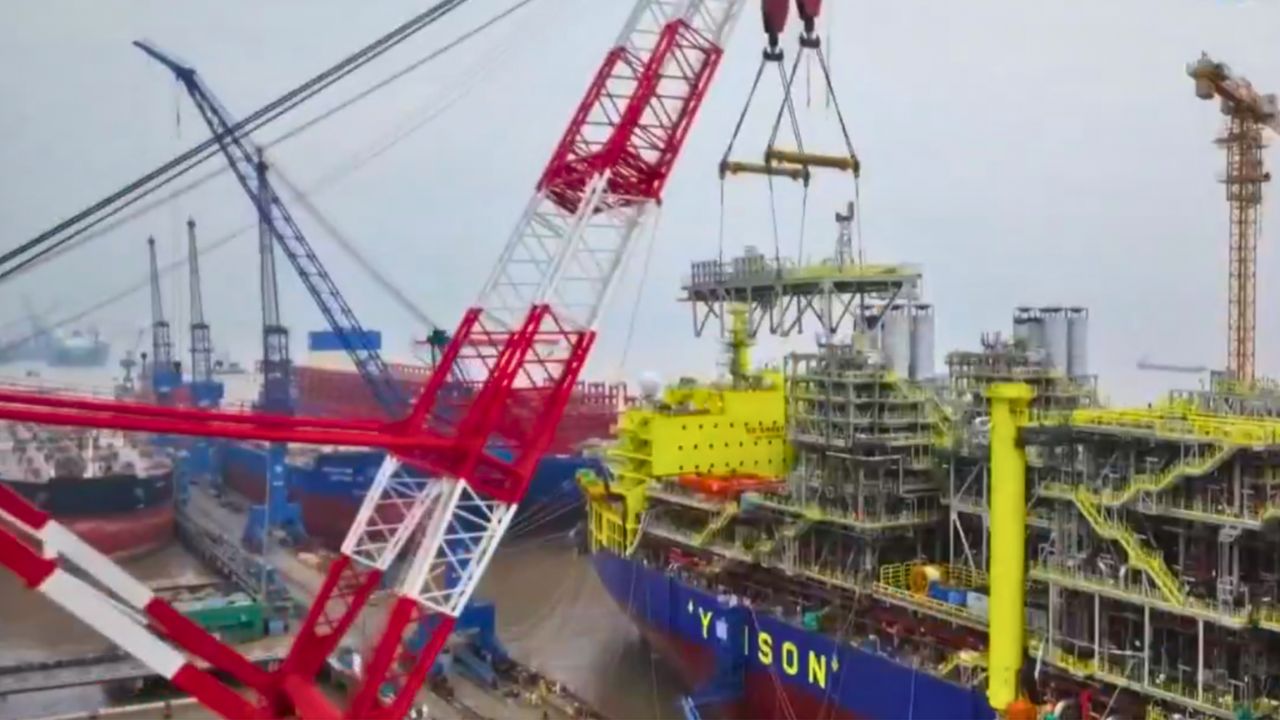
With 330 Meters in Length and Capacity to Produce 120,000 Barrels Per Day, China’s New Oil Production Ship Captures CO₂, Reduces Emissions, and Generates Electricity from Exhaust Heat!
The oil industry is about to take a significant step toward sustainability. China has announced the creation of the world’s first offshore oil production ship equipped with carbon capture technology. With this, the country advances its emissions reduction targets, seeking to minimize the environmental impacts of this essential but highly polluting sector.
This innovation is not just a technological advance, but also a direct response to growing global pressures for the oil and gas industry to reduce its carbon footprint. But how does this ship work, and why is it so revolutionary? Let’s understand better.
An Innovation to Reduce Environmental Impact of Offshore Production

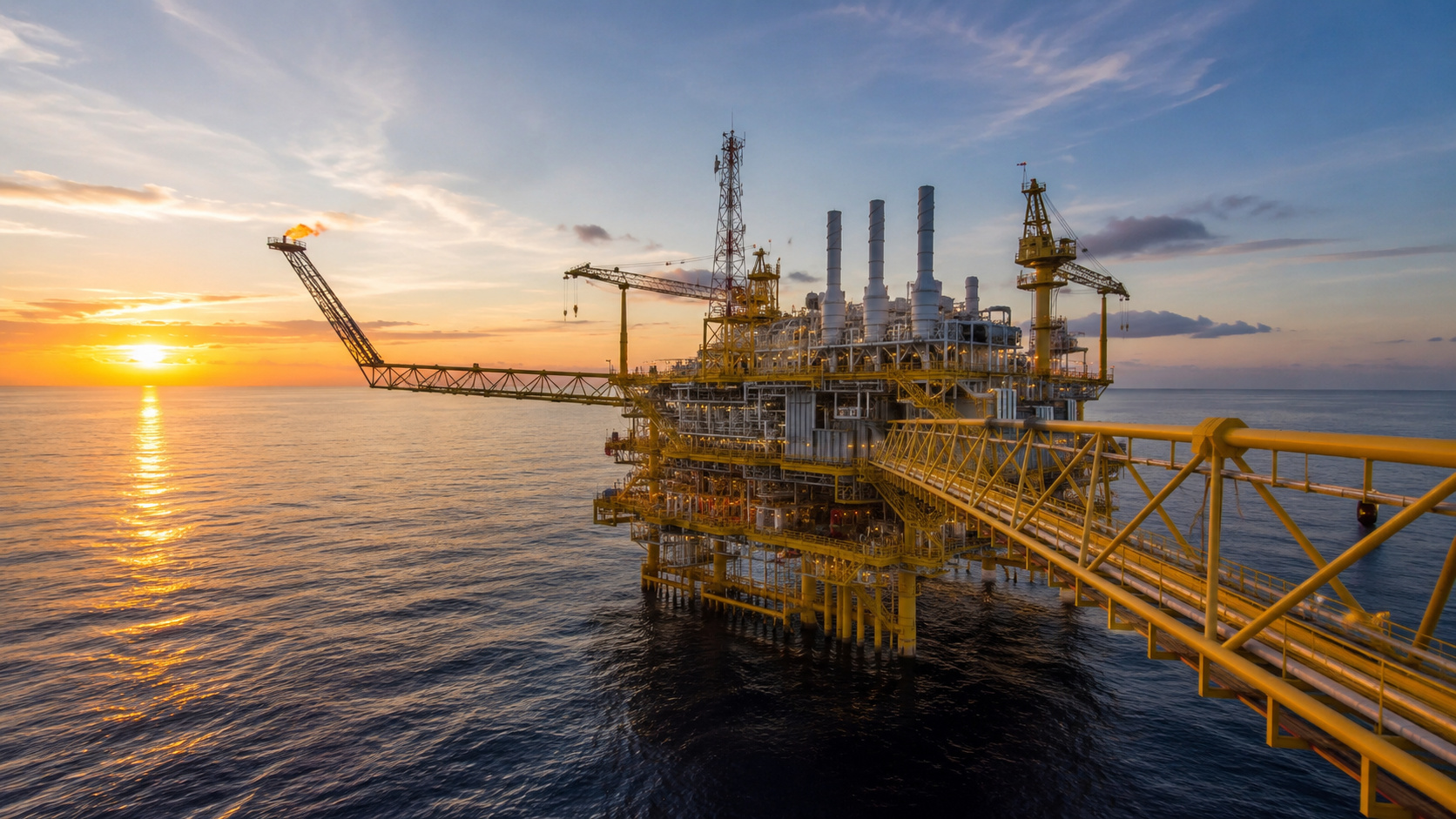
The new ship is an FPSO (Floating Production, Storage and Offloading Unit), a type of platform that extracts oil and stores the product until it is transported to refineries. These sea giants are essential for offshore production but are also responsible for high carbon emissions.
-
Oil production grows in Rio, but reserve replacement raises a warning sign

-
Petrobras is expected to complete the drilling of the Morpho well in the Foz do Amazonas in August 2026, the first well in the Equatorial Margin, an oil frontier that the ANP estimates at more than 30 billion barrels and could redraw the map of Brazil.

-
Oil returns to the center of concerns with tension between the US and Iran

-
IEA reduces forecast for global oil demand in 2026 after impacts of the Middle East crisis


The difference of this Chinese FPSO, developed by the state-owned Cosco Ocean Shipping Heavy Industry Company, lies in its ability to capture carbon dioxide (CO₂) directly at the source. This means that some of the gases that would normally be released into the atmosphere are stored and can be used later for other purposes.
How the Oil Production Ship with Carbon Capture Works
This FPSO has an impressive production capacity of up to 120,000 barrels of oil per day and features an innovative carbon capture system. Its technology allows not only for capturing the CO₂ emitted but also for reusing the heat from exhaust gases to generate electricity.
This dual benefit allows the ship to reduce its own carbon footprint while contributing to a more efficient energy production. In a scenario where decarbonization is a priority, solutions like this can redefine the future of offshore exploration.
The CCTV, China’s state broadcaster, highlighted that this innovation positions the country as a leader in offshore carbon capture, something crucial to achieve its environmental goals.
The Urgency to Reduce Emissions in the Oil and Gas Industry
Oil extraction and processing are activities that generate billions of tons of greenhouse gases annually. According to the International Energy Agency (IEA), in 2022 alone, the sector was responsible for 5.1 billion tons of emissions, accounting for about 15% of global energy-related emissions.
This reality shows that any innovation capable of reducing CO₂ release into the atmosphere has a significant impact. In addition to carbon capture, the IEA points out other viable solutions, such as using low-emission electricity on platforms and FPSOs.
In light of this scenario, China takes the lead by launching this innovative technology, showing that it is possible to make oil production less harmful to the environment.








-

1 person reacted to this.