Portuguese
  Spanish


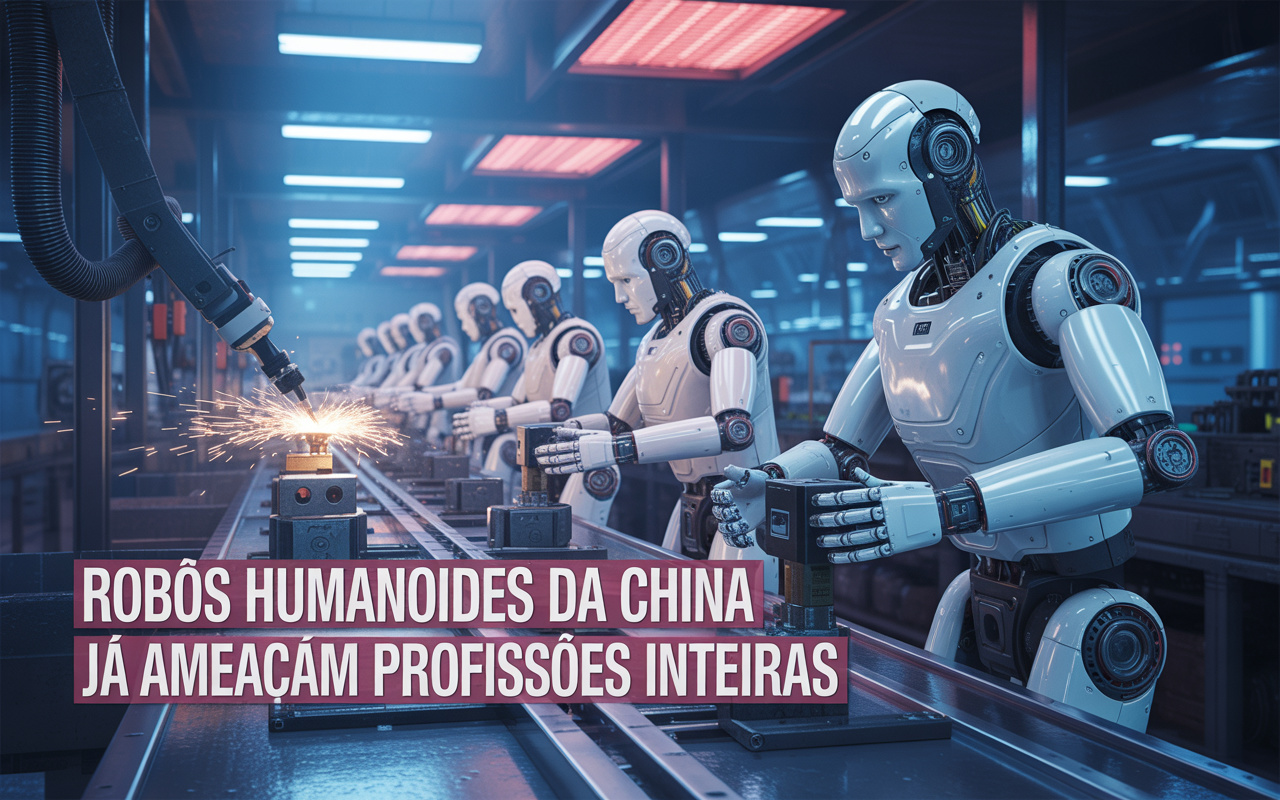


China Launches Humanoid Robots Capable of Working Without Rest, Ushering in a New Industrial Phase That Threatens Entire Professions and Redefines Global Competitiveness.
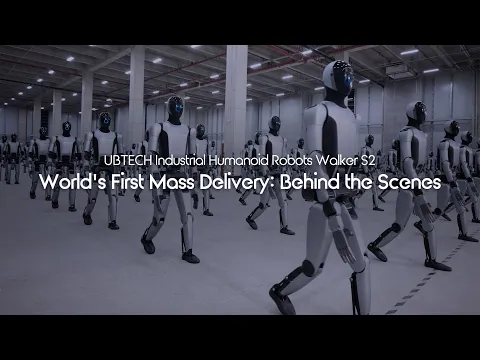
On November 11, 2025, UBTech Robotics — a Chinese giant in the robotics sector — officially confirmed the first mass delivery of industrial humanoid robots, a milestone that immediately resonated in the global press. The announcement was highlighted by the South China Morning Post and reinforced in the following days by outlets such as Humanoids Daily and Hindustan Times, accompanied by videos that went viral on social media.
The images show dozens of robots marching in sync within the UBTech factory, symbolizing what experts are already calling the beginning of the era of large-scale humanoid automation. With over US$ 112 million in confirmed orders, the new systems are starting to operate in Chinese industries capable of functioning 24 hours a day, without rest, breaks, or drops in productivity.
The immediate impact of the technology has fueled debates about the future of human labor and raised the question that has circulated the globe since the viral video: are we witnessing the beginning of the real replacement of workers by humanoid robots?
-
Scientists Convert Food Waste into Aviation Fuel, Successfully Test 50% Blend with Conventional Kerosene to Cut Emissions and Promote Sustainable Flights

-
OnePlus N6 Smartphone to Launch in India with 8,000mAh Battery and 45W SuperVOOC Charging, Lasting Up to Three Days
-
Scientists Plan to Release Air Bubbles Underwater to Protect Antarctica’s “Doomsday Glacier” from Melting

-
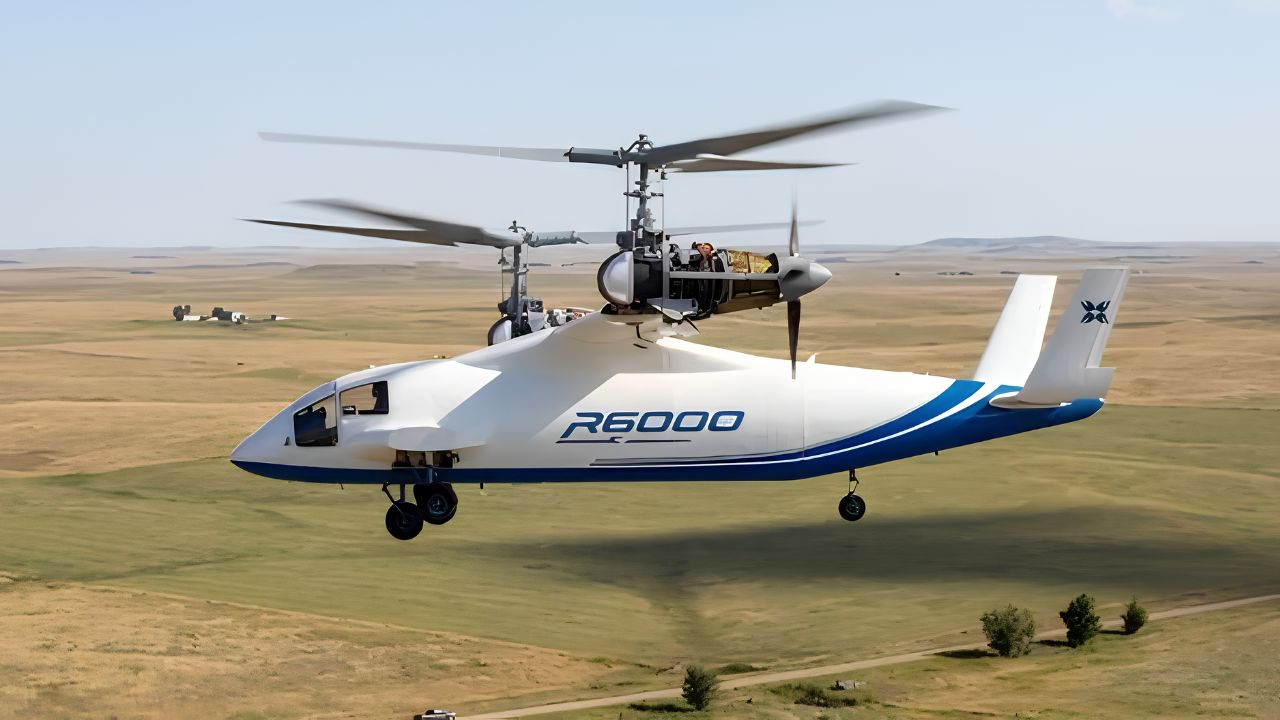
Chinese R6000 Drone Combines Airplane and Helicopter Features, Carries Up to 12 People for Multiple Missions


Operational Robots, Not Prototypes: A Continuous Workforce
The models delivered by UBTech are not laboratory tests or limited initiatives. They are fully operational industrial humanoid robots, designed to perform repetitive, exhausting, and risky tasks on production lines. The company claims they are already being integrated into real work environments, acting in:
- movement and transportation of parts;
- assembly and positioning of components;
- operation of machines;
- internal logistics;
- basic inspections;
- continuous production routines.

The big shift lies in the humanoid format: due to their dimensions and anatomy similar to humans, the robots can operate tools and occupy existing spaces in factories, eliminating the need for major industrial restructuring.
With depth sensors, computer vision, continuous learning algorithms, and precise motor coordination, the robots can work continuously, something impossible for human workers.
China Advances Toward Total Automation — and the World Watches
Experts cited by the South China Morning Post claim that China is accelerating the adoption of humanoid robots for two reasons:
- demographic decline, which reduces the supply of young workers;
- pressure for continuous productivity, especially in the electronics, automotive, and industrial components sectors.
The Chinese government had already set goals for large-scale robotization within the “Made in China 2025” plan, but the November announcement marks the first concrete move to replace human activities with humanoid machines in real production scenarios.
According to analysts’ projections, if the current pace continues, millions of repetitive positions could be automated over the next decade, mainly in low-value-added tasks.
The Viral Video: Near-Military Precision and Global Unease
The delivery gained international proportions after a video released on November 15, 2025 by the Hindustan Times, showing rows of robots marching in sync inside the UBTech industrial plant. The internet dubbed the group a “robot army,” not only for the aesthetics of the video but for the sense of organization and numerical strength.
The repercussions were immediate. On social media, debates split between:
- excitement about technological advancement,
- fear of job replacement,
- concerns about safety,
- and speculation about the military application of the technology.
Outlets like International Business Times reported that the video generated millions of views in just a few hours and placed UBTech at the center of discussions about the “era of humanoids.”
Demand Explodes: Robots Will Be Sent to Various Sectors
UBTech stated that the volume of orders exceeds their current production capacity. Among the sectors that have already received or ordered units are:
- electronics industries;
- automobile manufacturers;
- metal parts factories;
- logistics companies;
- robotized distribution centers.
The almost zero operational cost — without salary, benefits, rest, weather, or fatigue — makes adoption attractive even for companies that already use traditional industrial robots. The differential is the physical and cognitive adaptability, something fixed machines cannot replicate.

The Debate About the Future of Work: Partial Replacement or Total Disruption?
The arrival of humanoid robots rekindles discussions involving economics, labor legislation, sociology, and ethics. Researchers indicate that:
- repetitive and exhausting tasks will be the first to disappear;
- functions that depend on physical strength tend to be automated;
- production line jobs may be directly impacted;
- activities that require creativity, improvisation, and human interaction remain protected for now.
The mass delivery, however, marks the first time that real-scale replacement becomes plausible, not just theoretical.
For some analysts, what begins in industry could rapidly expand to sectors such as security, cleaning, construction, urban logistics, and basic customer service.
An Inevitable Milestone in the Evolution of Global Robotics
With the announcement in November 2025, China positions itself years ahead of Western competitors in the humanoid robotics sector. The technology race involves giants such as:
- Tesla (Optimus),
- Figure AI,
- Agility Robotics,
- Boston Dynamics,
- Xiaomi Robotics.
But none of them had made mass industrial deliveries until now.
The move by UBTech demonstrates that the country is turning a futuristic technology into a functional industrial product. And, as noted by analysts consulted by SCMP, this completely changes the logic of global competition. Humanoid automation is now a reality — no longer a projection.