Portuguese
  Spanish


From Qian Xuesen to the New Generation of Engineers, China Transforms Airships into Flying Power Plants, Breaks MIT Records, and Designs 1 MW Turbines to Revolutionize Global Renewable Energy.
In 1955, Qian Xuesen, a brilliant engineer and co-founder of NASA’s JPL lab, was deported from the United States on charges of communist sympathies. Welcomed as a hero in China, he became the “father” of the country’s space program and ballistic missiles. Decades later, ideas he envisioned about energy harvesting at high altitudes are beginning to take shape in the hands of a new generation of Chinese scientists.
The latest symbol of this advancement is the floating wind system S500, an airship equipped with a turbine that, in October, set two world records previously held by MIT: operational altitude and generated power.
The Historic Flight of the S500 in Hubei
On October 10, in the skies of Jingmen, Hubei province, a 23-meter-long aerostat rose to 500 meters in height. Unlike a transport airship, the S500 was designed to generate electricity.
The turbine reached a mark of 50 kW of power, surpassing the 30 kW of the previous record. Additionally, it flew nearly double the maximum altitude recorded by MIT, which had been 297 meters.
-
Brazilian scientists are simultaneously advancing two research projects on clean hydrogen and driving solutions that could transform the energy matrix, enhance industrial competitiveness, and accelerate large-scale emission reduction targets.

-
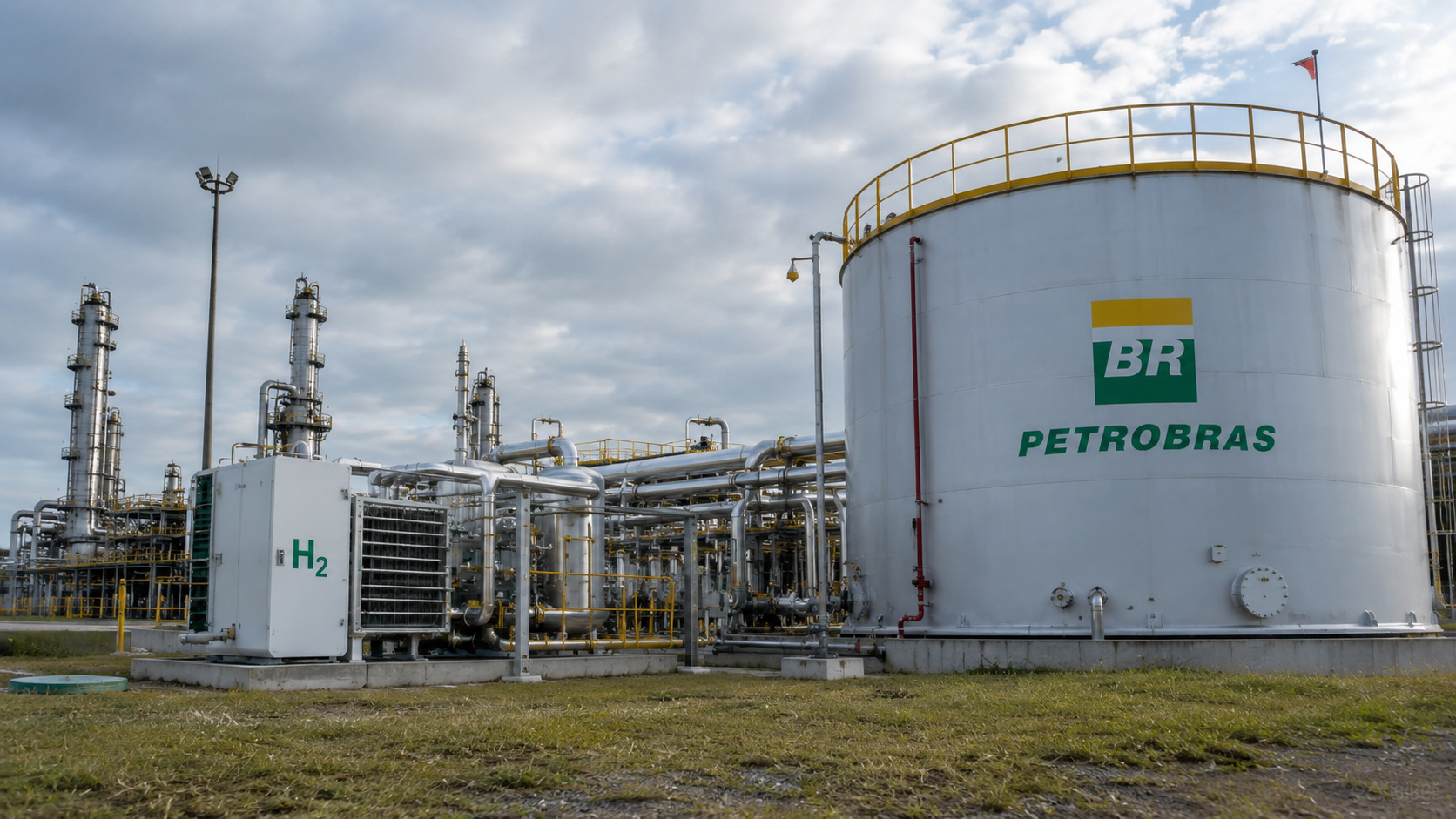
Advancement in renewable energy: A R$ 150 million project launched by Petrobras and Finep aims to create state-of-the-art electrolyzers for green hydrogen, strengthening national research and preparing Brazil to compete in a billion-dollar energy market.
-
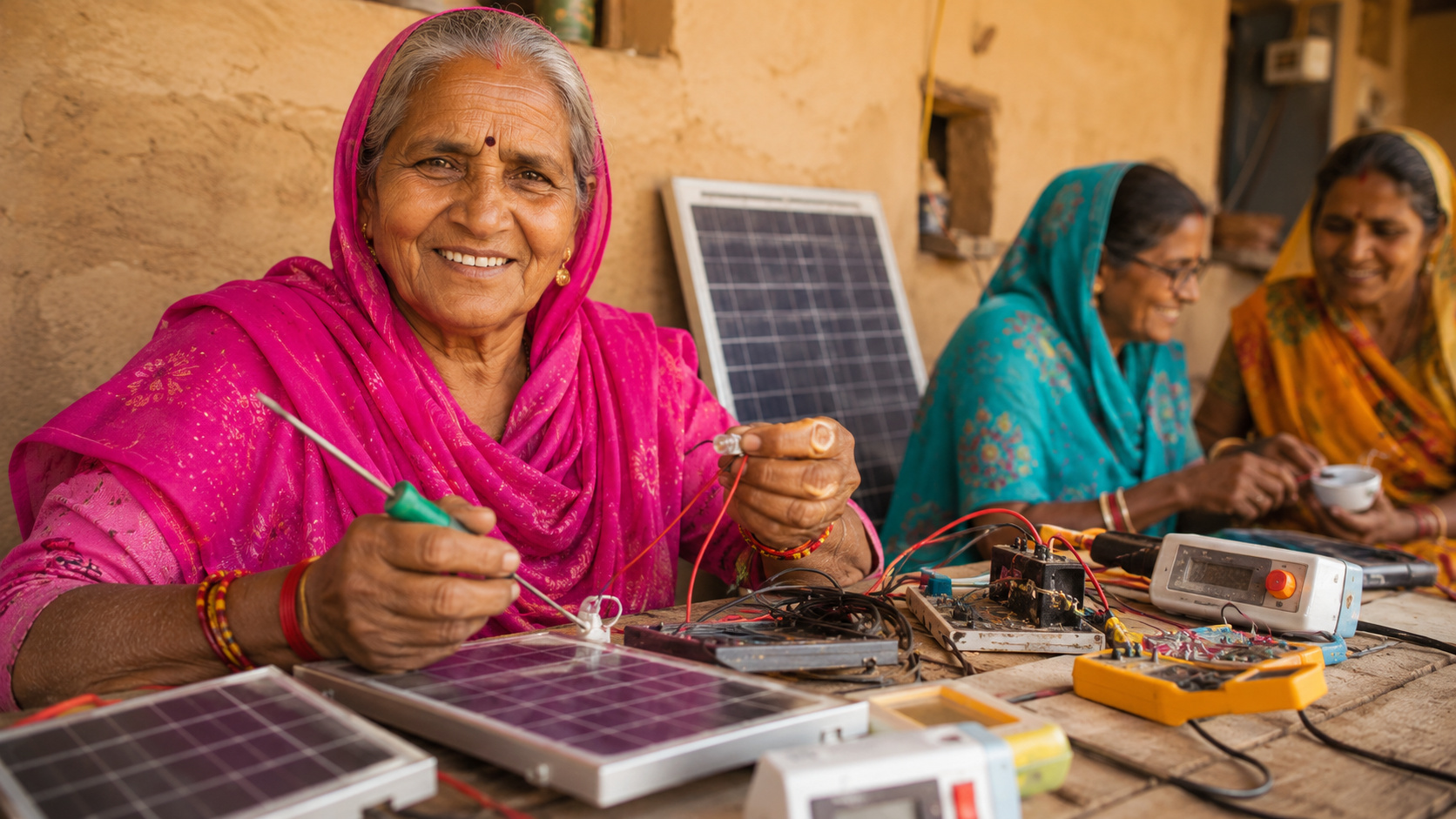
Illiterate or semi-literate grandmothers were trained to repair solar systems, open rural workshops, and light up homes that still depended on kerosene.
-
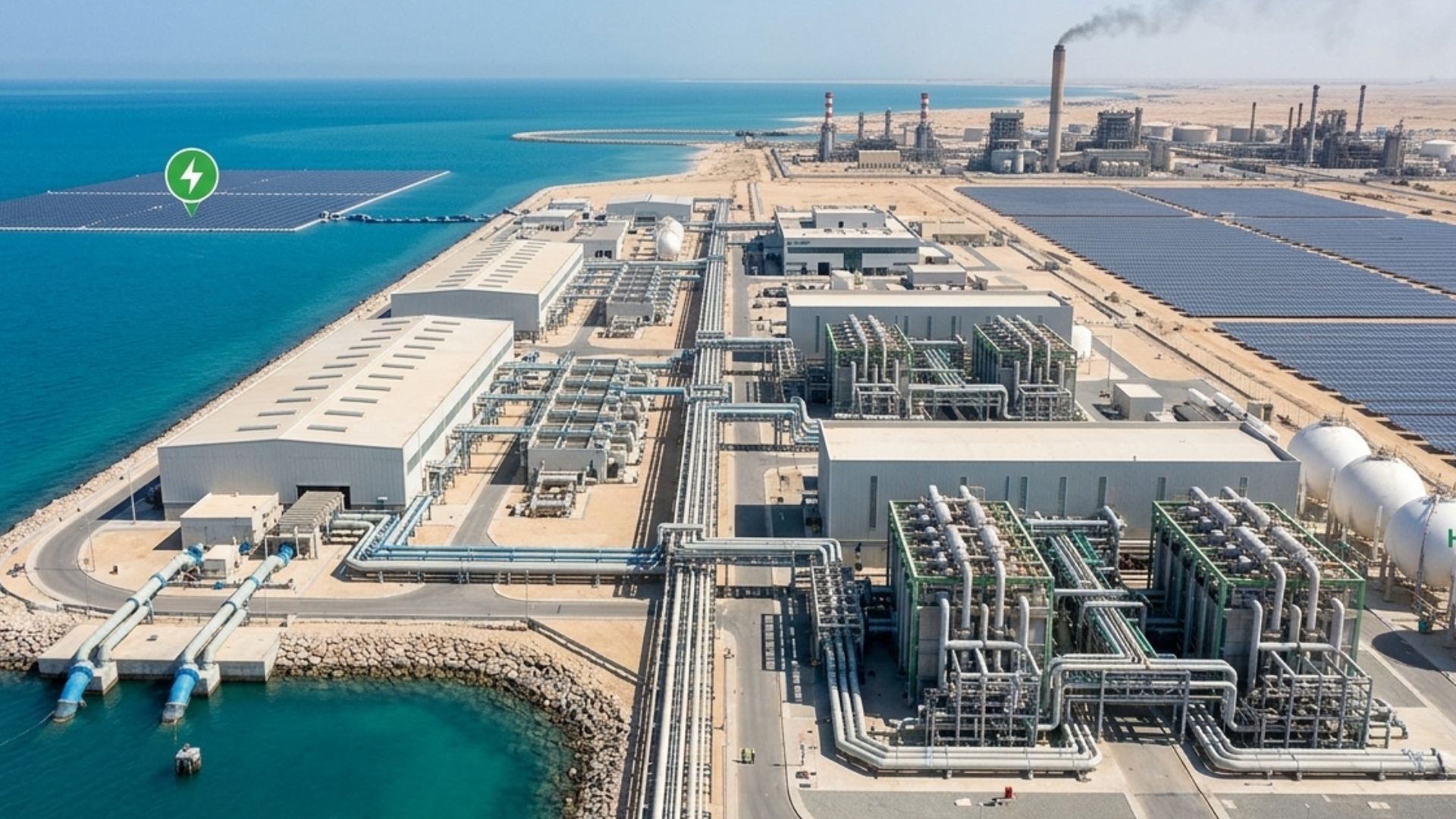
The world has bet on green hydrogen as the fuel of the future, but now faces the side effect: producing 1 kilogram requires about 9 liters of ultrapure water, and the largest projects on the planet are precisely in the driest regions of the Earth, where water is already scarce for people.




The achievement was developed by SAWES, in partnership with Tsinghua University and the Chinese Academy of Sciences. The technology combines aerospace engineering with renewable generation systems, showcasing a novel aspect of the global energy race.
How Flying Wind Turbines Work
The concept is based on a helium-filled airship that carries the turbine to altitudes much higher than traditional ground towers.
The generated energy is transmitted to the ground through the cable that also anchors the structure.
The advantage is physical: the power extracted from the wind increases with the cube of its speed. At 500 meters high, the winds are not only stronger, but also more stable, reducing typical failures from ground generation.
Studies by SAWES indicate that in regions such as Hami in Xinjiang, the energy available at high altitudes can be up to 40 times greater than that at the surface.
Emergency, Resilience, and Immediate Uses
The S500 and the S1000, a 100 kW version tested in January, were not designed solely to generate energy under normal conditions. They also serve strategic functions in rescues and natural disasters.
In situations such as earthquakes, floods, or in isolated areas, the system can be deployed within hours to provide electricity and emergency communication. This flexibility enhances its value in a scenario where energy security and resilience become priorities.
The Leap to 1 Megawatt with the S1500
The next chapter of the technology is the S1500, already assembled by SAWES. The model is expected to operate at 1,500 meters altitude and generate up to 1 MW of power, equivalent to the consumption of hundreds of homes.
To achieve this level, the company incorporated 12 carbon fiber generators in the central duct, reducing the total weight to less than one ton.
Energy, as in previous models, is converted directly in the airship and transmitted to the ground via the anchoring cable.
The goal is not just to respond to crises, but to compete with wind farms and solar as a source of grid-scale energy.
Billion-Dollar Investments and Global Ambitions
The success of the demonstration earned SAWES contracts worth more than 500 million yuan (R$ 407 million) and the inauguration of an assembly plant in Yueyang.
With this momentum, the company positions itself as a key player in a new frontier of renewable energy, attracting interest from investors and governments seeking more stable alternatives for clean generation.
If successful, the technology could radically transform the energy sector, allowing floating airships to function as mobile power plants capable of serving both urban grids and isolated communities.
From “Witch Hunt” to Chinese Technological Leadership
The trajectory of Qian Xuesen highlights the unforeseen consequences of the politics of fear during the Cold War. By being expelled from the United States, he brought his talent to China, where he built a scientific ecosystem that is now yielding tangible results.
As highlighted by the Los Angeles Times, the engineer who questioned Wernher von Braun and helped establish JPL was the same one who, upon returning, sowed the seeds of innovations like flying turbines.

Today, his scientific heirs are turning ambition into reality: capturing clean energy at heights, breaking technical barriers, and redefining the limits of engineering.