Portuguese
  Spanish


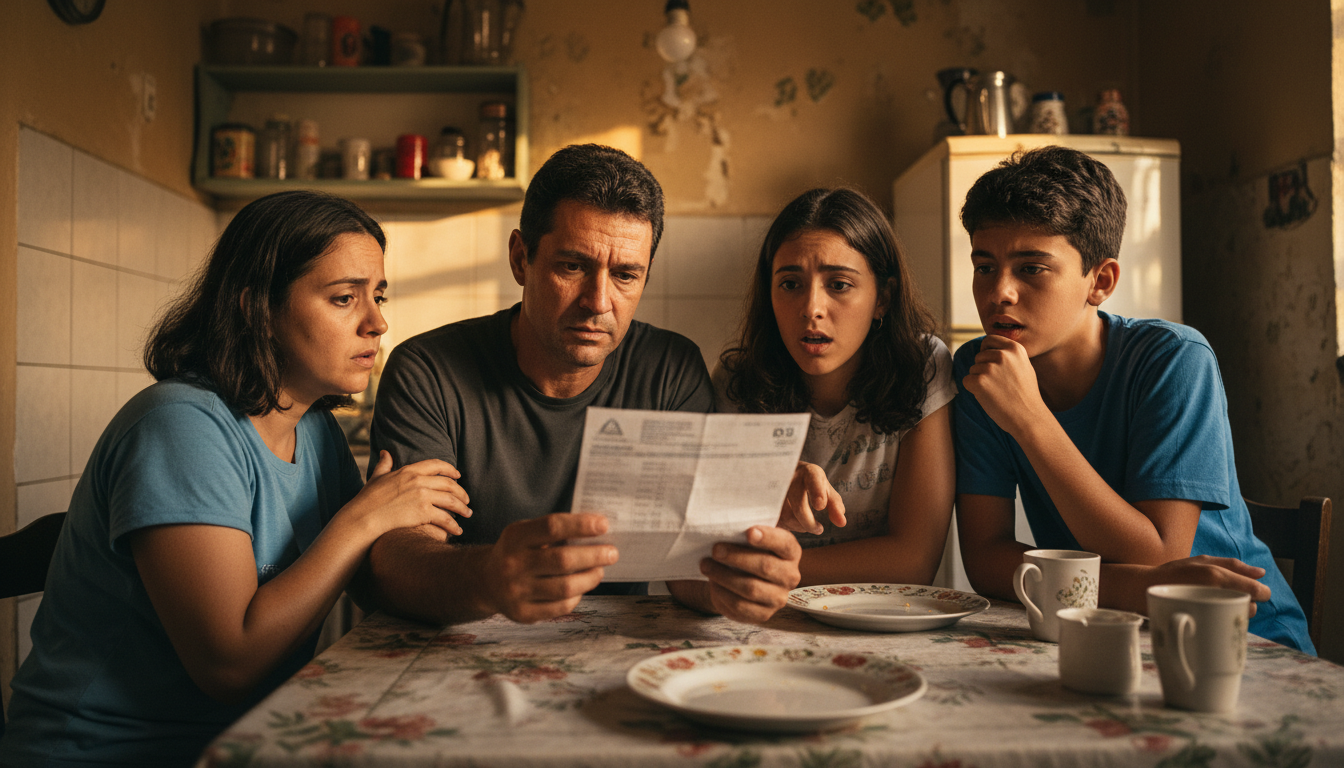

Five distributors in the Northeast already have readjustments approved by ANEEL for this week — Bahia, Rio Grande do Norte, Ceará, Sergipe, and Pernambuco will see increases reaching almost 10%, double the inflation rate, and the agency’s director-general himself admitted the number “is concerning”
According to a report by Movimento Econômico from April 2026, five distributors in the Northeast will have tariff readjustments applied between April 22 and 29, 2026.
Neoenergia Coelba (Bahia), Neoenergia Cosern (Rio Grande do Norte), Enel Ceará, Energisa Sergipe, and Neoenergia Pernambuco are the affected companies.
The average readjustment in the Northeast is 9.77% — almost 10% — against a projected inflation of only 3.1% for 2026. It is the largest regional increase in the country.
-
OPEC+ Boosts Oil Supply by 188,000 Barrels per Day in July 2026, Leading to Price Drop from $112 to $89 per Barrel in Under Two Months

-
TotalEnergies Signs 20-Year Deal to Purchase 2 Million Tons of LNG from Alaska, Boosting Project Viability
-
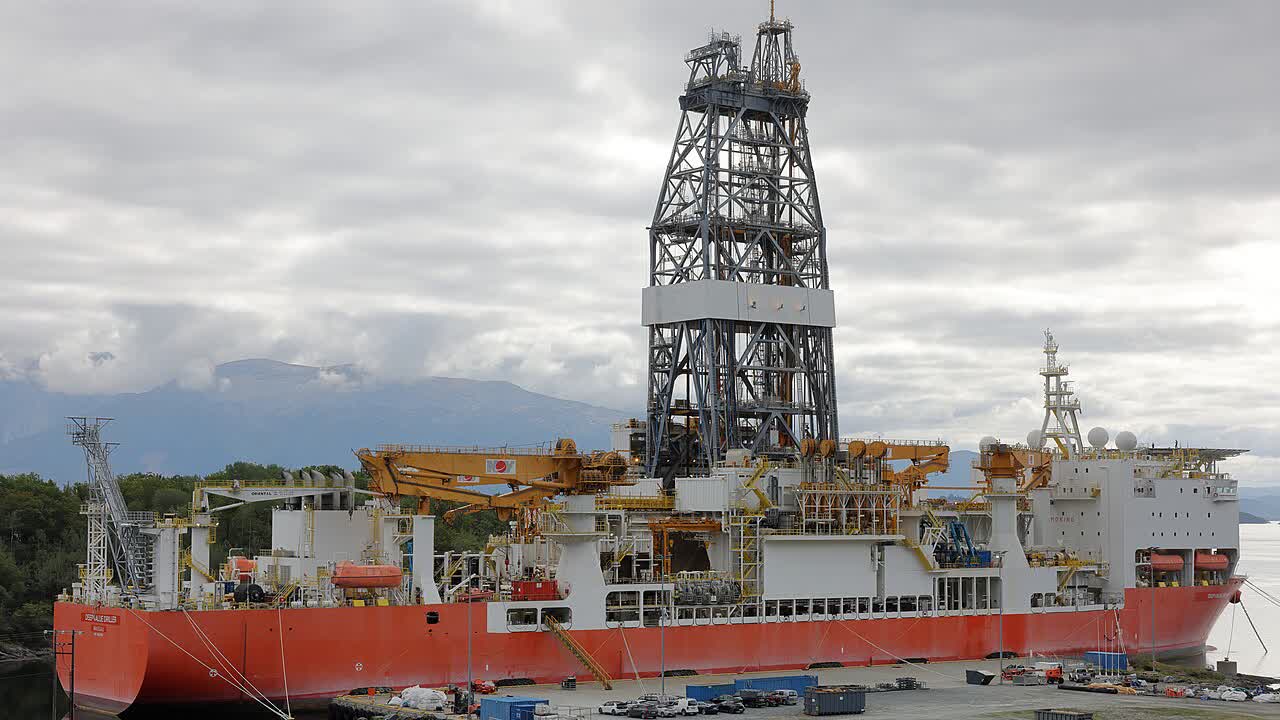
Turkey Deploys Çağrı Bey Drilling Ship to Explore New Oil Frontier Off Somalia’s Coast
-
Golden Pass LNG Ships First Liquefied Gas Cargo from the U.S., Completing $10 Billion QatarEnergy and ExxonMobil Investment



ANEEL’s director admitted: “it’s concerning”
In an interview with CNN, ANEEL’s director-general, Sandoval Feitosa, was direct about the impact.
According to Canal Solar, Feitosa stated: “Electricity bills always go up a little more, or I’m even being kind, much more — double, sometimes triple what the IPCA is.”
He added: “For 2026, our forecast is that tariffs will grow by an average of 8%. This number is higher than the IPCA and higher than the IGP-M. It is indeed a concerning number.”
However, in the Northeast, the situation is even worse than the national average.
According to research by Thymos Energia consultancy, the average Northeastern readjustment of 9.77% is driven by a 7% increase in the charge for the Energy Development Account (CDE).

State by state: when the bill goes up
- April 22: Neoenergia Coelba (BA), Neoenergia Cosern (RN), Enel Ceará (CE), Energisa Sergipe (SE)
- April 29: Neoenergia Pernambuco (PE)
- Already applied in 2026: Roraima Energia (24.13%), Enel RJ (15.46%), Light RJ (8.59%)
The case of Roraima is striking: a 24.13% average readjustment, with 22.69% for residential consumers — the highest in the country so far in 2026.
Adding all the readjustments planned for April, eight states will have a more expensive bill before May.
The invisible weight on the bill: R$ 47 billion in subsidies
A significant part of the electricity bill does not correspond to energy consumption itself.
Sectoral charges — especially the CDE — represented 17 to 18% of the tariff in 2025.
As reported by Movimento Econômico, in 2026 this percentage jumps to 20%.
This means that for every R$ 100 on the bill, R$ 20 goes to subsidies that finance programs like Luz para Todos, discounts for irrigators, and compensation for thermal power plants.
Furthermore, the government argues that subsidies protect vulnerable consumers. However, the cost is shared among all others — and in the Northeast, where average income is lower, the proportional impact is greater.

The paradox: the region that generates the most clean energy pays the most
Here is the data that should bother any Brazilian.
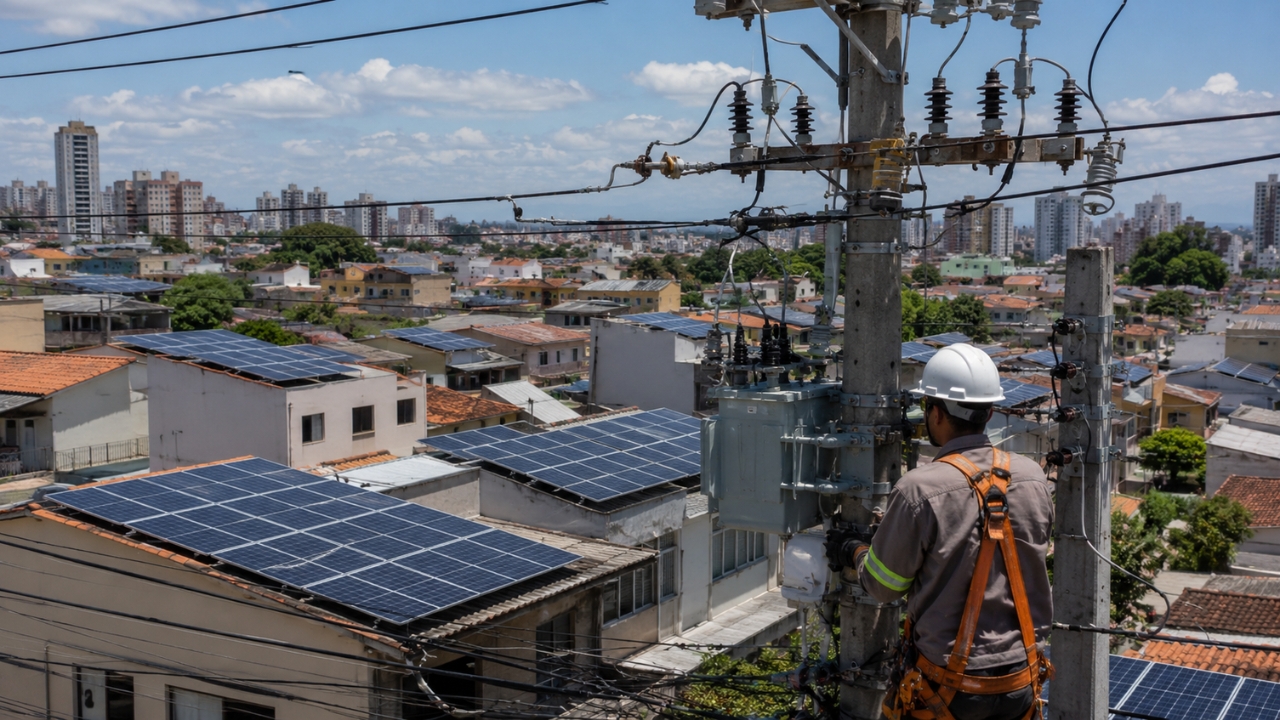
The Northeast is the region that concentrates the most wind and solar energy generation in the country.
It is there that the largest wind farms, the largest solar farms, and records of renewable generation are located.
But it is also the Northeast that will have the largest tariff readjustment in 2026: 9.77%.
The technical explanation is that the tariff does not only reflect local generation but includes transmission costs, network losses, and federal charges.
Thus, even generating abundant energy, the Northeastern consumer pays for inefficiencies in the national system.
As we have already shown on this portal, Brazil even wastes solar and wind energy because the transmission network cannot handle all that is generated — and losses have already exceeded R$ 5 billion.

What to expect until the end of the year
The 2026 readjustment cycle is still ongoing.
Distributors in São Paulo (CPFL Paulista, with an estimated readjustment of 12.5%) had their process suspended for reevaluation.
Mato Grosso and Mato Grosso do Sul are also awaiting definition.
In the South and Southeast, where the strategy of anticipating resources had less reach, increases should appear more directly in the coming months.
ANEEL’s forecast is that, accumulated over the year, the national average will be around 8% — more than double the projected inflation. For low-income families, who already commit up to 10% of their income to energy, every additional percentage point is felt directly at the table.
Furthermore, the situation becomes even more complex when considering that Brazil has one of the cleanest electricity matrices in the world.
In this sense, more than 80% of Brazilian electricity comes from renewable sources — hydroelectric, wind, and solar.
However, this abundance of clean energy does not translate into cheaper bills for consumers, precisely because sectoral charges grow at a faster rate than generation.
Similarly, the lack of investment in transmission lines means that part of the energy generated in the Northeast does not reach the Southeast, where the greatest demand is.
Therefore, the Northeastern consumer pays more for energy that is produced at their doorstep — but which the infrastructure cannot distribute efficiently.
Above all, for low-income families who already commit up to 10% of their income to electricity, every percentage point of readjustment is felt directly at the table — in the choice between turning on the fan or buying food.
Consequently, electricity sector specialists argue that part of the solution lies in investing massively in large-scale batteries — a technology that already works in California, where batteries supplied 42.8% of electricity at certain times. Furthermore, the battery auction planned for Brazil, with 18 GW of capacity, could begin to change this equation in the coming years.
Will Brazil ever be able to transform its abundance of renewable energy into cheaper bills for consumers? For now, the answer is no.