Portuguese
  Spanish


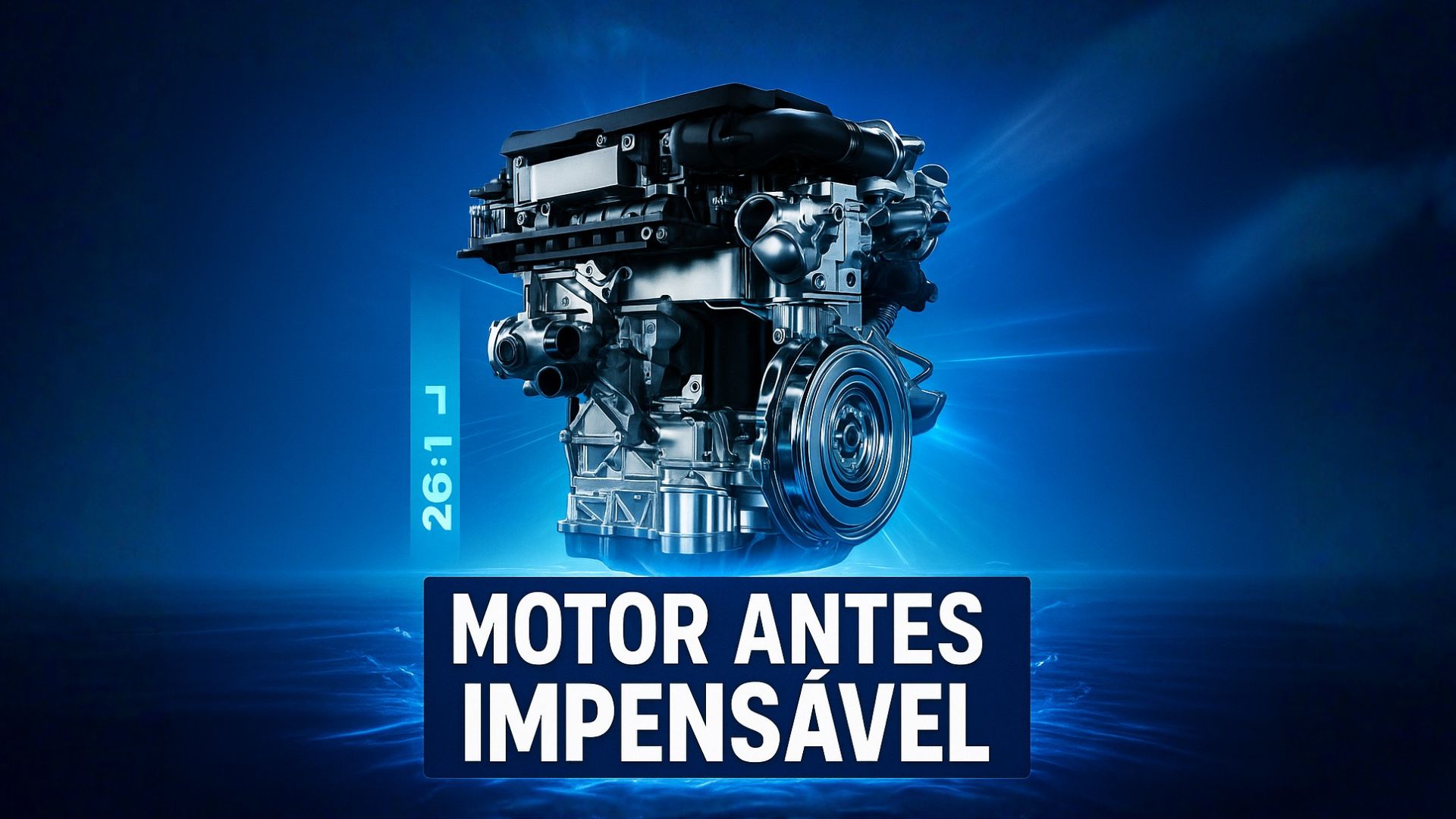


The Omada & Jaecoo Project Presents Unprecedented Thermal Efficiency, 26:1 Compression, and 350 Bar Internal Pressures, Challenging the Known Limits of Automotive Engineering and Reigniting the Debate About the Future of Internal Combustion Engines.
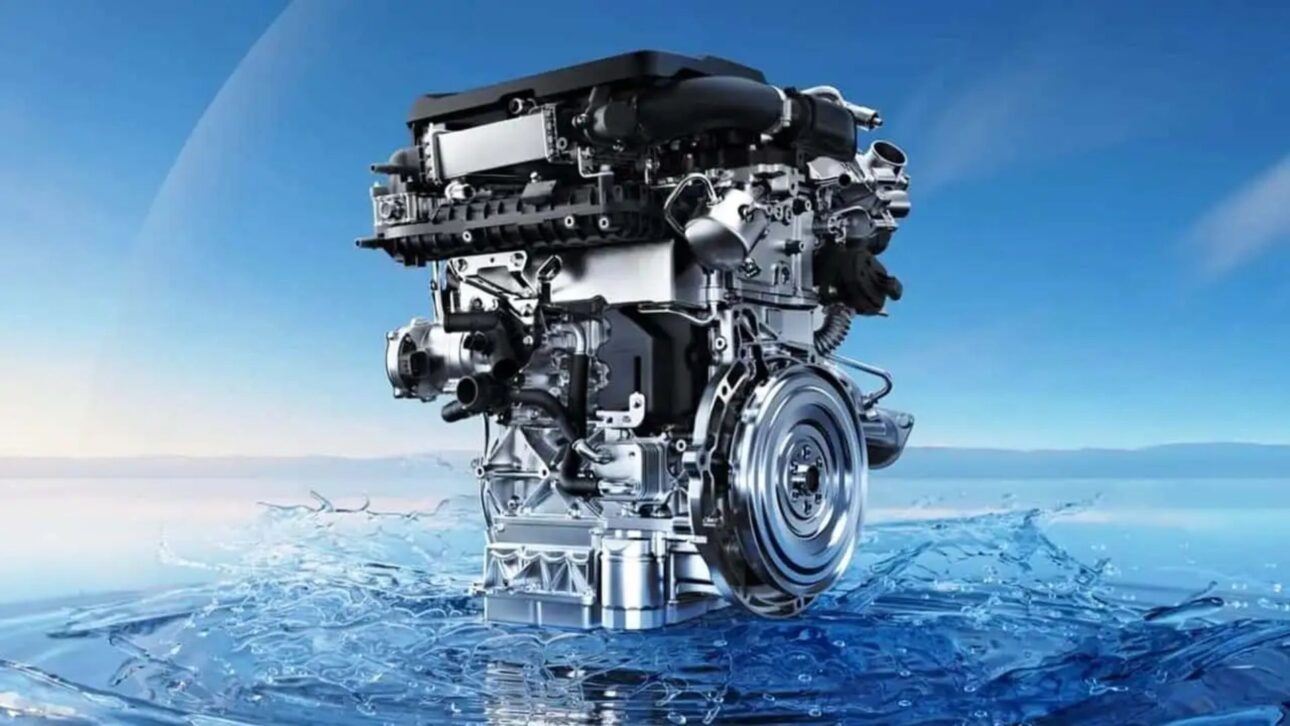
The Omada & Jaecoo, brands of the Chery Group, presented in China a gasoline engine project that promises 48% thermal efficiency and adopts unusual solutions in automotive engineering.
The assembly, aimed at hybrid applications, combines 26:1 compression ratio, 35% exhaust gas recirculation, and a triple link hyperbolic mechanism, according to information released by the company during a group event.
The details were echoed by specialized outlets in the automotive sector.
-
2027 Toyota Corolla Cross Unveiled: New Design, Enhanced Fuel Efficiency, Reduced Maintenance Costs, Advanced Technology, Connected Services, and Up to 10-Year Warranty

-
Fiat Cronos Precision 2018: Affordable Sedan with Spacious Trunk and Reliable Maintenance
-
Volkswagen to Cut Production by 1 Million Cars by 2030, Reducing Jobs and Platforms, Focusing on More Profitable Models

-
Toyota Launches First 100% Electric Car in Brazil: bZ4X with 343 HP, All-Wheel Drive, 361 km Range, Priced at $419,990 BRL, Limited to 99 Units



Technical Advancement and Concept
According to engineers and technical publications, the development aims to reduce common energy losses in gasoline engines.
Three main aspects were highlighted by the manufacturer.
The first is the considerably higher compression than that used in conventional naturally aspirated engines, which typically operate up to 13:1; there are exceptions, such as the Mazda Skyactiv-X, which operates at around 16:1.
The second is the high exhaust gas recirculation (EGR) rate, reaching 35%, used to reduce combustion temperature and, according to the brand, prevent knock even under high compression.
Finally, the use of hyperbolic rods aims to control piston movement more accurately and reduce internal friction.
Thermal Efficiency and Market Comparison
The announced 48% efficiency would place the engine above the level of currently available Otto cycle gasoline engines, whose thermal efficiency ranges from 38% to 45% in hybrid configurations, according to studies from manufacturers and automotive engineering institutes.
The company attributes the result to the set of applied technologies, which include broader compression and expansion, high EGR, and operating cycle adjusted for Miller/Atkinson regimes, common in hybrid systems.
According to experts, gains in this range could represent direct fuel consumption reduction and lower CO₂ emissions if confirmed in independent tests.
Between the Laboratory and Production
The Omada & Jaecoo also highlighted the Super Hybrid System (SHS), a system already in production, consisting of a 1.5 TDGI Miller cycle engine, two electric motors, and a dedicated hybrid transmission.
In this arrangement, the company reports 44.5% thermal efficiency, an average consumption of 6 liters per 100 km, and a total range exceeding 1,200 km, considering the fuel tank and a charged battery.
According to industry analysts, these numbers indicate Chery’s effort to bring experimental results closer to everyday use while maintaining a focus on energy efficiency.
High Compression and Pressure
The declared compression ratio of 26:1 draws attention among engineers, as it is significantly higher than the usual range in gasoline engines.
In conventional engines, this level could generate knocking and mechanical overload, but the manufacturer indicates that the use of a lean mixture, intense EGR, and Miller-type valve control would make the operation feasible.
Meanwhile, the data of 350 bar of pressure in the combustion chambers has been cited by specialized outlets, but is not yet included in technical documentation officially released by the company.
Therefore, experts treat the number with caution until detailed measurements are published.
Application and Energy Scenario
The project emerges in a context where, despite the growth of 100% electric vehicles, charging infrastructure is still limited in regions outside major Chinese centers.
In this scenario, analysts claim that high-efficiency hybrids remain a viable alternative for extending range without relying on frequent recharges.
The strategy aligns with China’s industrial policy to encourage energy transition technologies that maintain international competitiveness in the short and medium term.
Europe and the Debate About 2035
While China advances with hybrid solutions, the European Union maintains the goal of reducing CO₂ emissions by 100% from new cars and vans starting in 2035.
The regulation, approved in 2023, will be reviewed in 2026 and remains under discussion among member countries.
Germany and Italy have advocated for adjustments or exceptions for vehicles powered by synthetic fuels (e-fuels), while other countries, like France and Spain, support maintaining the target.
In response to competitive pressures and the entry of Asian manufacturers into the European market, France has revived programs for electric vehicles produced in Europe, and Spain extended the MOVES program, which provides incentives for purchasing electric cars and installing charging points.
The measures seek to preserve jobs and maintain automotive production in the bloc, according to national authorities and statements from the European Commission.
Expectations and Next Steps
According to engineers consulted by technical publications, the next step will be to assess independent tests that confirm the engine’s durability under extreme compression and thermal behavior in real conditions.
It will also be necessary to check production costs and compatibility with international emissions standards, such as those established in Europe and the United States. So far, Chery has not indicated when the engine may reach the production line.