Portuguese
  Spanish


American government seeks solutions to prevent quagga, zebra, and golden mussels from advancing through vessels and compromising water systems.
The United States government launched, in 2026, a challenge with a prize of up to US$ 200,000, about R$ 998,000, to contain invasive mussels that threaten rivers, lakes, and water infrastructure.
The initiative, called “Halt the Hitchhiker: Invasive Species Challenge”, was announced by the Bureau of Reclamation, a federal agency linked to water supply systems and hydroelectric generation.
The focus is to find methods capable of preventing species like quagga, zebra, and golden mussels from being transported on vessels.
-
Cigarette Butts Pollute Brazilian Beaches, Sparking Debate on Coastal Environmental Protection Measures

-
App Drivers Unite in Major Solidarity Effort to Aid Venezuela Earthquake Victims, Mobilizing the Brazilian Amazon with Donation Campaign
-
Green Roofs on Homes Gain Popularity for Reducing Heat, Noise, and Rain Impact in Brazil
-
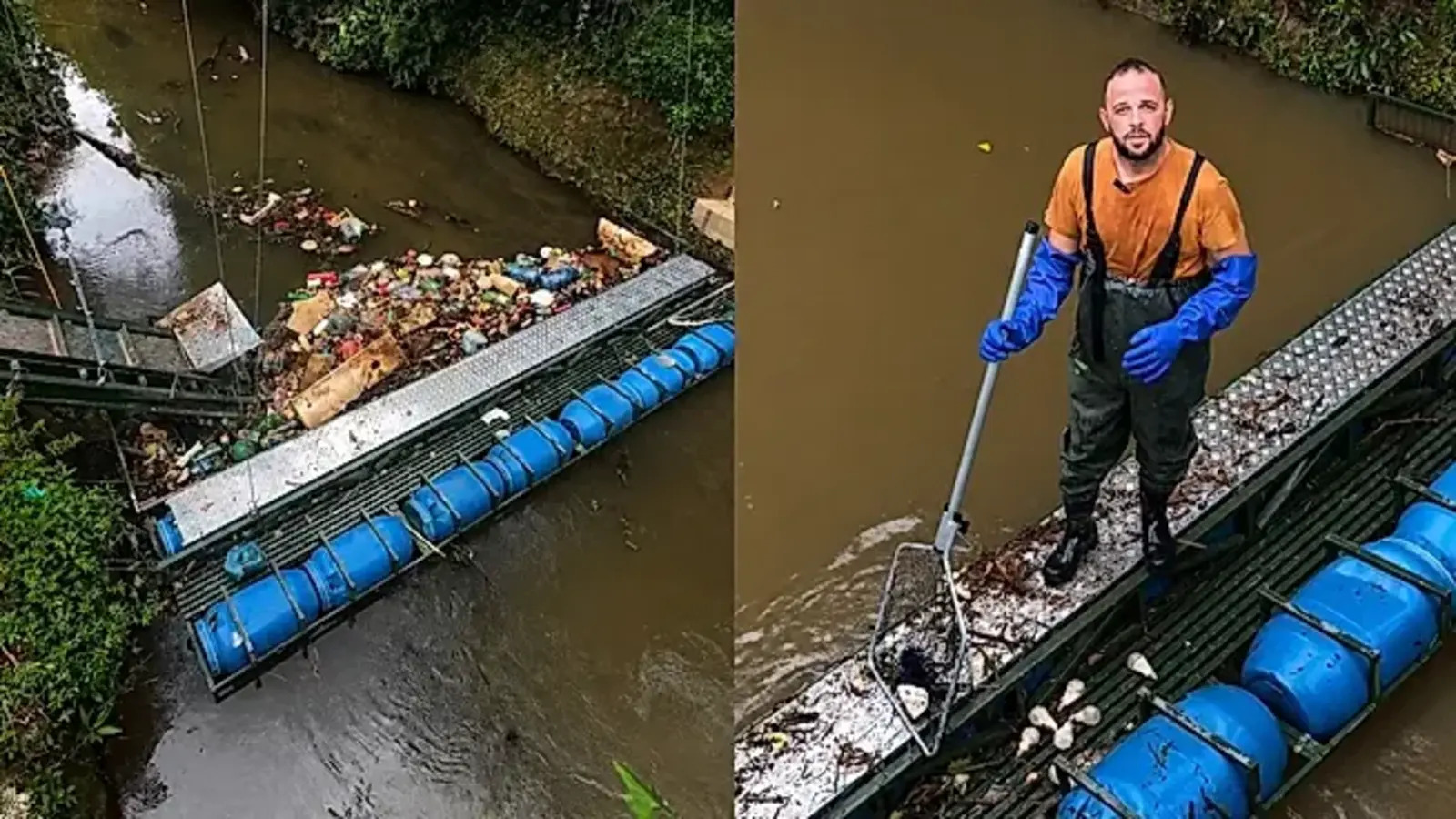
Brazilian promises his children to save a river, creates an eco-barrier in his backyard, has already removed more than 40 tons of trash from the water, and even inspires the idea in other states of the country.


Why invasive mussels concern the USA
These organisms can travel from one body of water to another by hitching a ride on boats. Additionally, small amounts of water trapped in ballast compartments can carry microscopic larvae.
Once established, the mussels attach to submerged surfaces. Thus, they form dense colonies and can affect water intakes, pumps, pipelines, and systems used by cities, farms, and plants.
According to the Bureau of Reclamation, just quagga and zebra mussels generate more than US$ 1 billion per year in control costs and infrastructure damage in the United States.
Impact goes beyond infrastructure
Besides financial losses, these species also affect aquatic ecosystems, marinas, beaches, and reservoirs. Recently, concern increased after the detection of golden mussels in California, in 2024.
According to the official challenge, the search is for solutions capable of killing, excluding, or inactivating invasive aquatic species before they are spread by vessels.
How the American government challenge works
Currently, boat inspections and decontaminations require time, labor, and specialized structure. In many cases, teams wash the compartments of vessels with heated water, in a process that can last up to an hour per boat.
Therefore, during periods of higher traffic in lakes and reservoirs, operational bottlenecks arise. Consequently, the government seeks faster, more efficient, and scalable alternatives.
The competition will have three phases:
- Phase 1: participants submit conceptual proposals; up to six projects may receive US$ 25,000.
- Phase 2: selected teams make a virtual presentation; up to three may win US$ 50,000.
- Phase 3: finalists create prototypes for laboratory testing.
In the final stage, the organization plans maximum prizes of US$ 125,000 for first place, US$ 75,000 for second, and US$ 50,000 for third.

Who can participate and when the results are announced
Researchers, startups, universities, inventors, and teams based in the United States can participate in the challenge. Finally, the initiative plans to announce the final winners in September 2027, according to the official schedule.