Portuguese
  Spanish


Scientific studies, waste collection initiatives, and proposals presented in coastal cities highlight the environmental impact of cigarette butts on marine ecosystems and drive new strategies to reduce beach contamination.
Cigarette butts remain among the most found solid waste on Brazilian beaches and represent a growing challenge for environmental preservation. Despite their small size, this type of waste carries thousands of potentially toxic chemical substances and can contaminate the sand, water, and different species of marine fauna.
The information was disclosed by Boqnews, based on data from the Lixo Zero BS project, statements from the master in Marine and Coastal Biodiversity and Ecology Victor Vasques Ribeiro, and research published in the scientific journal Environmental Chemistry Letters. The data reinforce that improper disposal of cigarette butts remains one of the main environmental problems faced by coastal municipalities.
Moreover, experts warn that reducing this type of pollution depends both on public awareness and the adoption of public policies aimed at proper urban waste management.
-
App Drivers Unite in Major Solidarity Effort to Aid Venezuela Earthquake Victims, Mobilizing the Brazilian Amazon with Donation Campaign

-
Green Roofs on Homes Gain Popularity for Reducing Heat, Noise, and Rain Impact in Brazil
-
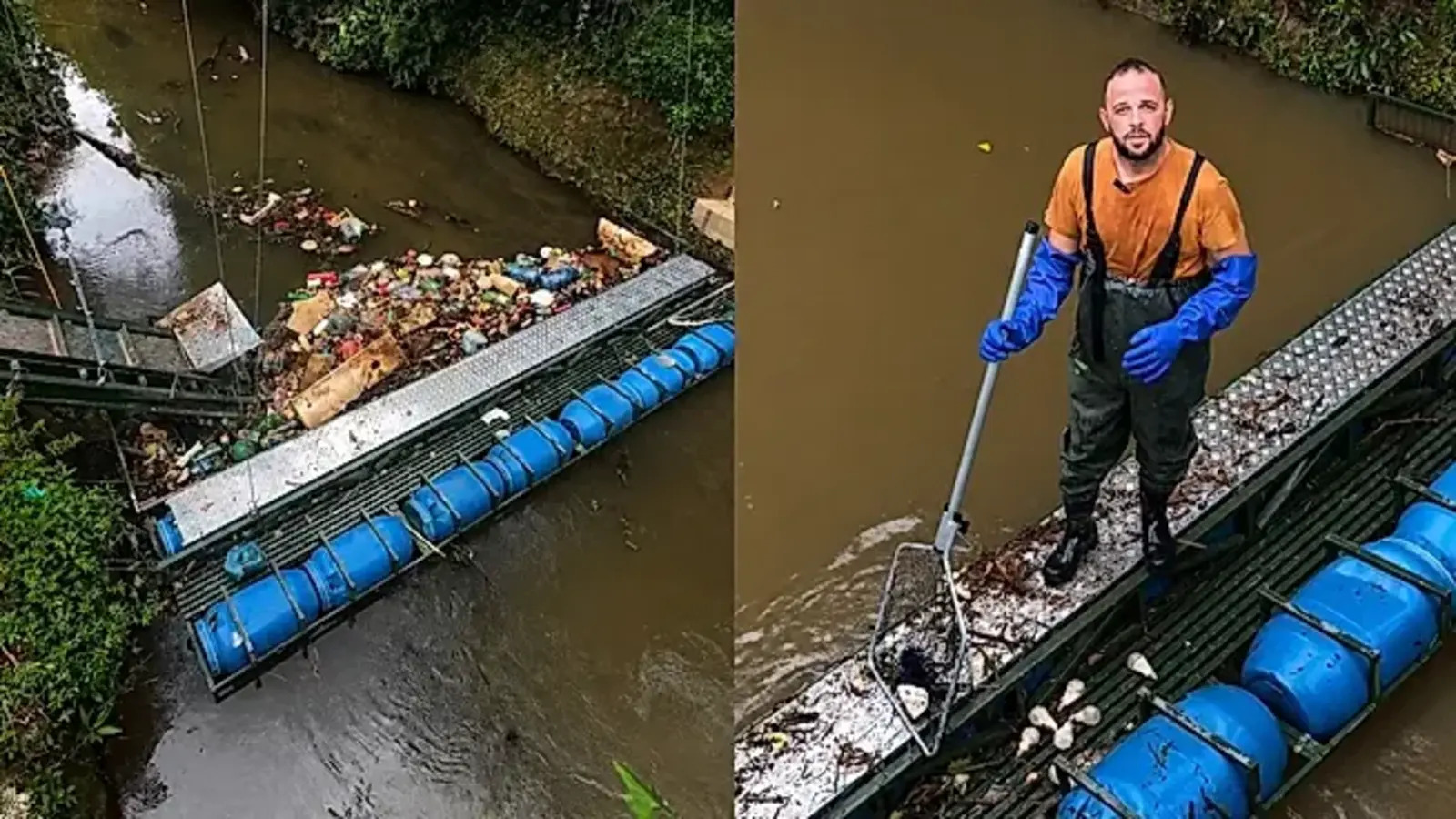
Brazilian promises his children to save a river, creates an eco-barrier in his backyard, has already removed more than 40 tons of trash from the water, and even inspires the idea in other states of the country.

-
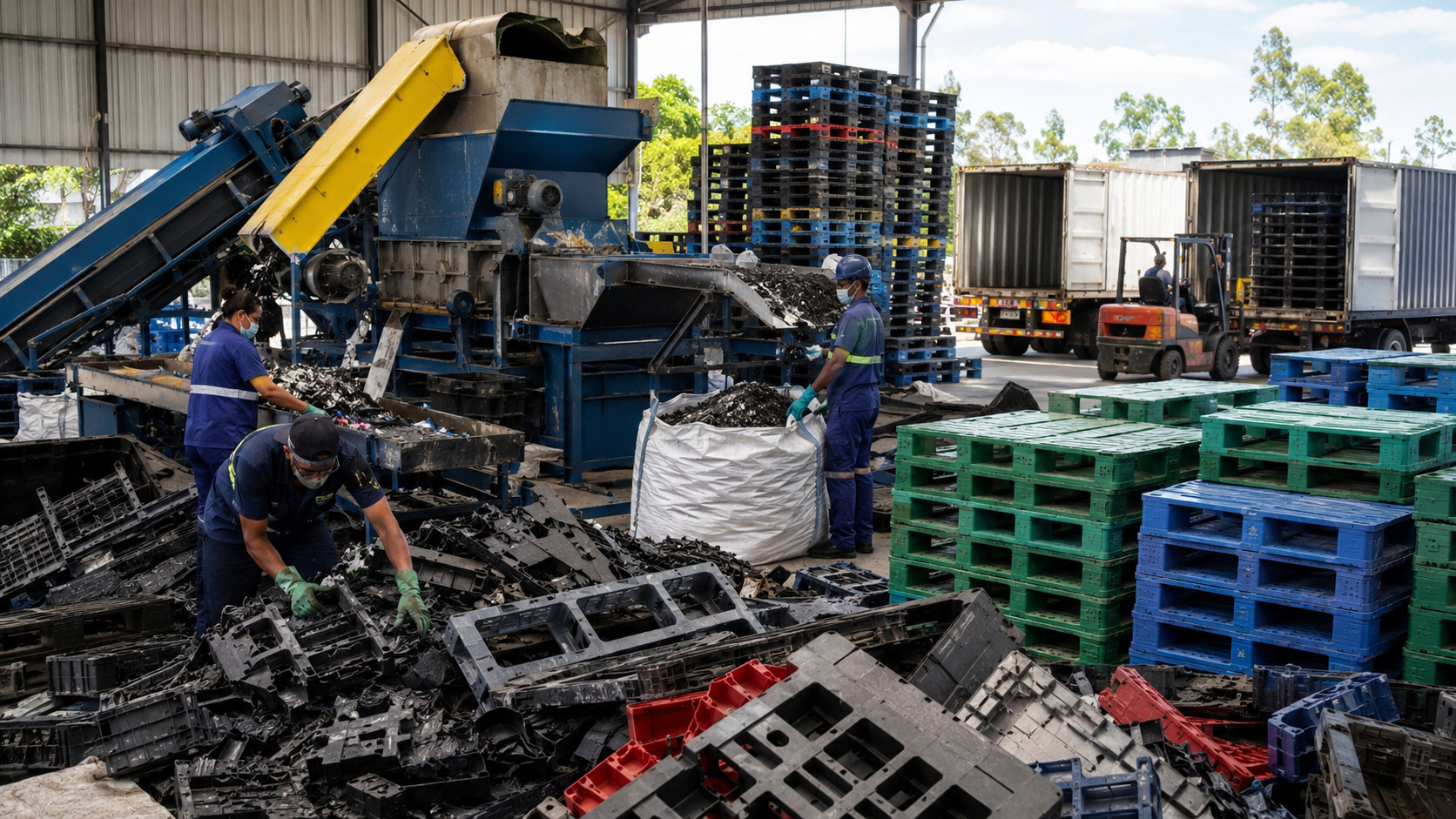
How a Brazilian company created a system that transforms broken pallets of any brand into new assets, recycles 80 tons of plastic per month, and found a profitable solution to a problem that challenges industries across the country.


Research reveals the impact of cigarette butts on beaches and marine animals
The problem goes far beyond visual pollution.
According to a study published in Environmental Chemistry Letters, Brazil ranks fourth among countries with the highest volume of cigarette butts found on beaches.
Additionally, two of the beaches most affected by this type of waste are located in the Baixada Santista. The survey cites the beaches of Perequê and Santa Cruz dos Navegantes, located in the municipality of Guarujá.
This data demonstrates that improper disposal continues to occur on a large scale and increases the challenges for the conservation of coastal ecosystems.
According to Victor Vasques Ribeiro, each cigarette butt contains more than 7,000 chemical substances.
Among these compounds, at least 150 have toxic potential. The list includes nicotine, lead, cadmium, arsenic, and other substances classified as carcinogenic.
Consequently, when this waste reaches the marine environment, it can contaminate aquatic organisms, harm biodiversity, and affect different species of animals that live or feed in the coastal region.
Initiatives show that small actions can reduce thousands of waste
While the problem grows, some initiatives are already showing positive results.
According to information from the Lixo Zero BS project, the installation of cigarette butt receptacles in different parts of the city prevented more than 100,000 cigarette butts from reaching the beaches, rivers, mangroves, and the stomachs of marine animals in just one year of operation.
This result demonstrates that relatively simple actions can contribute to significantly reducing the amount of waste discarded in the environment.
In addition, educational campaigns, adequate disposal infrastructure, and permanent awareness programs are also among the strategies pointed out by experts to reduce this type of pollution.
Debate in Santos reinforces environmental concern in coastal cities
Within this context, coastal municipalities have started discussing new measures to reduce the disposal of cigarette butts.
In Santos, for example, a project presented by councilor Benedito Furtado (PSB) proposes restricting cigarette consumption on the sand strip. According to the councilor, the initiative seeks to reduce the amount of waste discarded in the coastal environment and strengthen the preservation of the beaches.
The proposal is still under review in the Municipal Chamber of Santos and must go through the Chamber’s Legal Department and permanent committees before proceeding to a vote. If it receives approval from the councilors, the text will still depend on the decision of the Executive Branch to come into effect.
Meanwhile, the discussion has also reached neighboring municipalities. In Praia Grande, councilor Cadu Barbosa reported that he intends to present a similar proposal when legislative work resumes.
Regardless of legislative decisions, experts agree that the correct disposal of cigarette butts remains one of the most effective ways to reduce contamination of Brazilian beaches, protect coastal ecosystems, and preserve marine biodiversity for future generations.