






 Portuguese
  Spanish



“`html
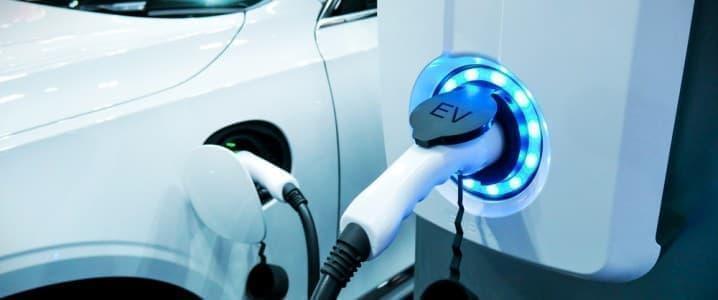
Clash of Giants: Trade War Over Tariffs on Electric Vehicles Heats Up Relations Between the EU and China!
In a move that promises to shake global trade relations, the European Union (EU) approved tariffs of up to 45% on electric vehicles manufactured in China. This decision, the result of an anti-subsidy investigation, raises concerns about a potential trade war between the two economic giants.
Controversial Decision and Its Impacts
The EU’s decision to impose high tariffs was made despite warnings from some member states about the economic risks involved. The European Commission, the executive branch of the bloc, concluded that Chinese subsidies distort the market, thus justifying the new tariffs that will last for five years.
-
OPEC+ Boosts Oil Supply by 188,000 Barrels per Day in July 2026, Leading to Price Drop from $112 to $89 per Barrel in Under Two Months

-
TotalEnergies Signs 20-Year Deal to Purchase 2 Million Tons of LNG from Alaska, Boosting Project Viability
-
Turkey Deploys Çağrı Bey Drilling Ship to Explore New Oil Frontier Off Somalia’s Coast
-
Golden Pass LNG Ships First Liquefied Gas Cargo from the U.S., Completing $10 Billion QatarEnergy and ExxonMobil Investment


Sources revealed that ten member states voted in favor of the tariffs, while Germany and four others opposed them, and twelve, including Spain, abstained. With an existing tariff of 10%, the new tax could raise the cost of some imported electric vehicles by up to 45%.
Reactions and Possible Retaliations
The announcement of the tariffs generated mixed reactions. While the EU seeks alternative solutions compatible with the World Trade Organization (WTO), China may retaliate, affecting European manufacturers like Mercedes-Benz, Stellantis, BMW, and Volkswagen, which have significant operations in the Asian country.
The former president of the European Central Bank, Mario Draghi, warned about state-sponsored competition from China, which threatens member states. In 2023, the EU negotiated 739 billion euros with China, highlighting the importance of trade relations between the two powers.
A Scenario of Uncertainties
The Hungarian Prime Minister, Viktor Orban, expressed concerns that the tariffs could trigger an “economic cold war.” Meanwhile, the EU faces internal challenges, with threats of recession in Germany and climate policies aimed at slowing economic growth.
The current scenario raises questions about the consistency of Western trade policies, especially when compared to previous criticisms of proposed tariffs by the US against China. The perceived hypocrisy could further complicate international relations.
Final Thoughts
As tensions between the EU and China escalate, the world watches closely the developments of this trade war. The tariffs on electric vehicles not only impact the global automotive industry but also test the resilience of international trade relations. What lies ahead may redefine the global economic balance.
For more information and updates on this topic, continue following our portal. Leave your comments and share your opinions on this issue that promises to transform the global economic landscape.
“`


