Portuguese
  Spanish


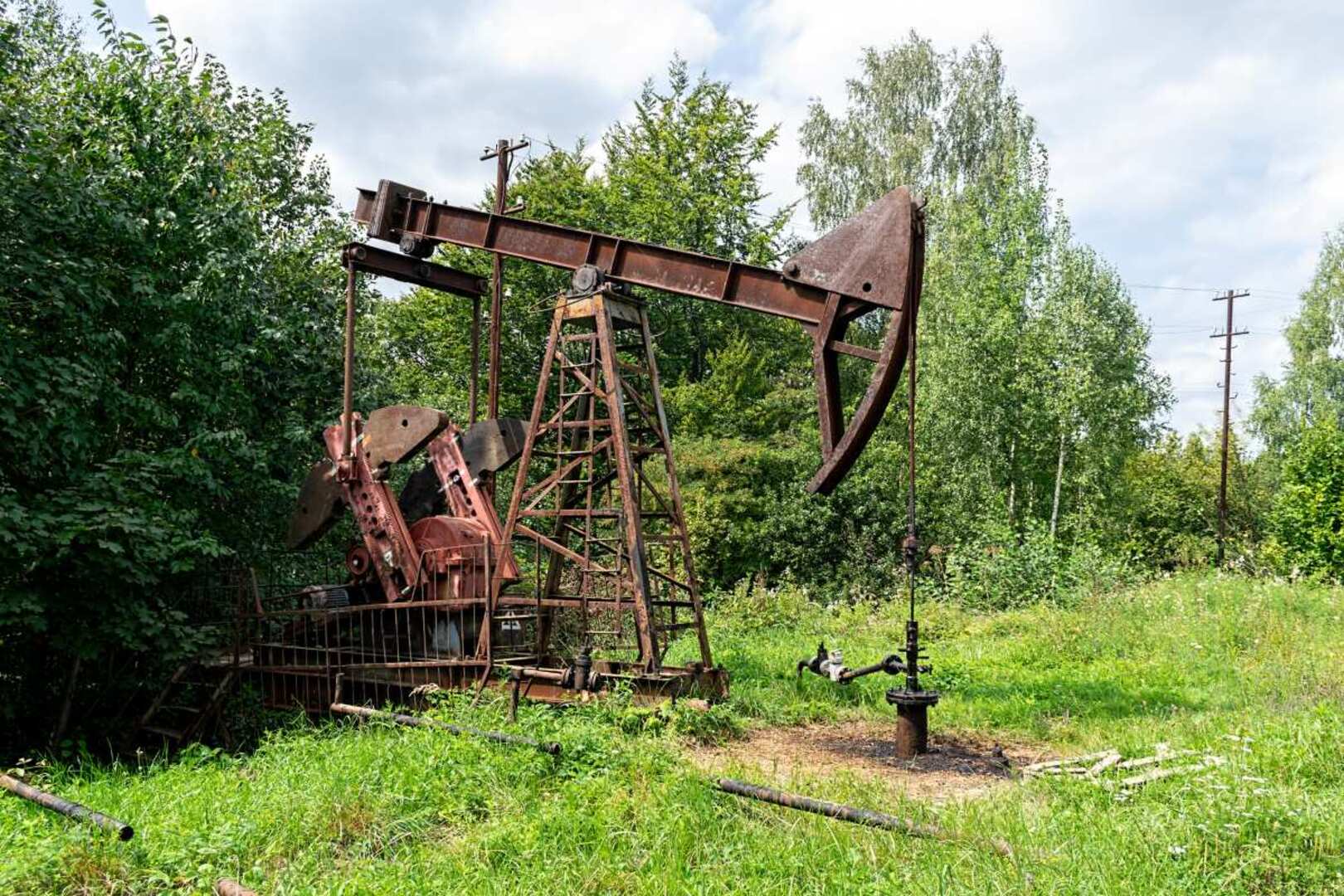

The discovery of superemitters among abandoned oil wells exposes serious failures in environmental supervision and in pollutant gas calculation models.
A recent scientific survey conducted in Canada revealed that abandoned oil wells are releasing methane into the atmosphere in quantities drastically higher than previous official estimates.
The data indicates that emissions from some of these sites may be up to 1,000 times greater than expected by regulatory authorities. The discovery raises urgent concerns about the hidden environmental impact of these structures and the accuracy of greenhouse gas inventories in the country.
The research focused on directly measuring emissions from inactive infrastructures that had not been properly sealed or monitored. Methane is a gas with a significantly higher global warming potential than carbon dioxide in the short term, making the leakage from abandoned oil wells a critical factor for climate goals. The results suggest that the problem is systemic and that the mathematical models used until now severely underestimated the physical degradation of these drillings.
-
Starnav orders 10 hybrid vessels with German MTU engines in Itajaí and prepares fleet to serve Petrobras in the pre-salt for 12 years.

-
The Chamber releases R$ 10 billion to hold the price of diesel until December and proves that Brazilian fuel remains tied to Congress.
-
It’s official: Petrobras takes 75% of block 3 in São Tomé and Príncipe and debuts as an offshore operator outside South America.
-
With a record production of nearly 3 million barrels per day, Petrobras resumes importing diesel in July, highlighting the bottleneck in Brazilian refining.


Discrepancy in measurements and structural failures
The researchers used high-precision detection technologies to assess sites in different Canadian provinces. In many cases, the sealing infrastructure of the abandoned oil wells showed cracks or sealing failures that allowed the continuous passage of gases from deep underground. The extreme variation between actual and estimated emissions occurred because many official calculations were based on generic averages, ignoring the so-called “superemitters.”
Structural failures are often caused by the corrosion of steel casing or the degradation of cement over the decades.
When one of these components fails, the abandoned oil wells become direct channels to the surface, releasing not only methane but also volatile organic compounds. The lack of maintenance and rigorous oversight after the cessation of commercial activities contributes to these leaks remaining uncorrected for long periods.
Climatic implications and public policy
The scale of emissions detected in the study presents Canada with a significant challenge to meet its international pollutant reduction commitments.
As abandoned oil wells are spread across vast geographical areas, locating and repairing each site will require massive investments and new logistical strategies. Experts warn that without a review of national inventories, decarbonization efforts in other sectors may be nullified by the invisible pollution from these sources.
Authorities are now under pressure to implement continuous monitoring programs instead of sporadic inspections. The study suggests that the cost of properly sealing the abandoned oil wells should be incorporated into the long-term planning of energy companies.
Identifying the locations with the highest emission flow is a priority, as a small fraction of the wells is responsible for the majority of the total volume of methane released.
Mitigation technologies and next steps
To address the issue, new sealing techniques and more corrosion-resistant materials are being tested in the field. Additionally, the use of satellites and drones equipped with infrared sensors can facilitate the rapid scanning of thousands of abandoned oil wells in remote areas. The digitization of this data will allow for the creation of a dynamic emissions map, prioritizing engineering interventions where the environmental impact is most severe.
The Canadian study serves as a warning to other hydrocarbon-producing nations about the dangers of legacy infrastructure. The definitive closure of an extraction site must ensure that the abandoned oil wells remain inert for centuries, and not just for the duration of the responsible company’s activity.
Strengthening regulations is seen as the only way to ensure that the environmental liability of the industry does not become an insurmountable barrier to global climate stability.
With information Eco Inventos