Portuguese
  Spanish


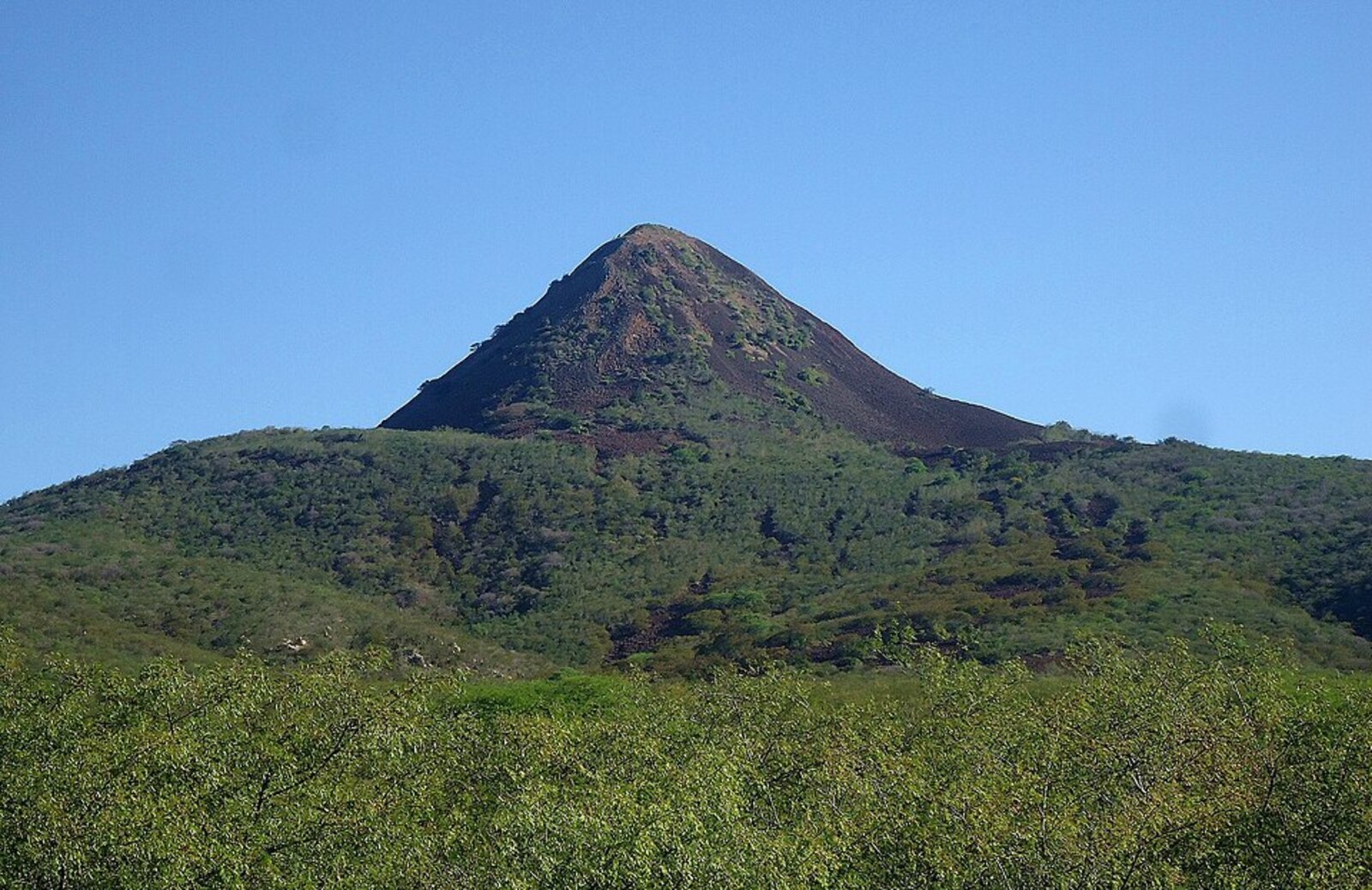


Adventure at the Cabugi Peak Reveals Rare Landscape in Brazil: Extinct Volcano Challenges Visitors with Steep Trails and Rewards with Impressive View
Although inactive, Brazil holds a curious natural phenomenon: a volcano located in Rio Grande do Norte, 141 kilometers from Natal. The Cabugi Peak, situated in the municipality of Angicos, is part of the Cabugi State Ecological Park.
Even without activity for millions of years, the formation impresses with its uniqueness in the national territory.
Formation and Characteristics
Although it does not present the classic image of the volcanoes from geography books, Cabugi stands out for its height. The structure reaches an altitude of 590 meters and, according to studies, is 19 million years old.
-
Brazilian Mayor Goes Undercover as Homeless for 24 Hours to Assess Public Services

-
15-Year-Old Entrepreneur Malu Lira Publishes 20 Children’s Books on Financial Education, Earns $500,000, and Expands Her Project to the Amazon Rainforest
-
Entrepreneur Turns Rio Cemetery Canteen into a Successful Snack Chain Generating $4.9 Million Annually and Expanding to Metro Stations

-
Rare fox feared “extinct” found alive on Caribbean island after over two decades without official sightings





The most important aspect is that its inactivity allows for activities such as rappelling and camping, attracting adventurers in search of unique experiences.
Therefore, those who choose to tackle the climb find a physical challenge. The path to the top tests endurance and caution, as not all sections are easy to traverse.
Path to the Cabugi Peak
To get to the site, planning is necessary. The municipality of Lajes is the closest support point, but getting there requires a car. The trail to the volcano is divided into two distinct phases.
The first is a relatively calm dirt path. The second presents thousands of clustered stones that hinder passage.
Additionally, the steep sections increase the difficulty level. The loose stones scattered along the route suggest extra caution.
Thus, hiring the assistance of a professional guide can be a prudent measure to ensure greater safety.
Essential Tips for the Visit
Among the guidelines for those who wish to visit the Cabugi, the most important involves choosing the right attire.
Wearing pants, long-sleeved shirts, hats, and appropriate shoes or boots makes a difference. These precautions help protect against sunburn, scratches, and unforeseen events during the trail.
Another essential tip relates to hydration and nutrition. Carrying water bottles is indispensable, as physical effort consumes energy quickly.
As for food, opt for light choices that provide sustenance to complete the 590 meters of ascent without losing performance.
In summary, visiting the Cabugi Peak is a rewarding challenge. Despite the difficulties, the effort results in an impressive view that preserves a rare part of Brazil’s geological history.
The extinct volcano continues to be a destination for those seeking adventure and direct contact with nature.
With information from Correio do Estado.