Portuguese
  Spanish


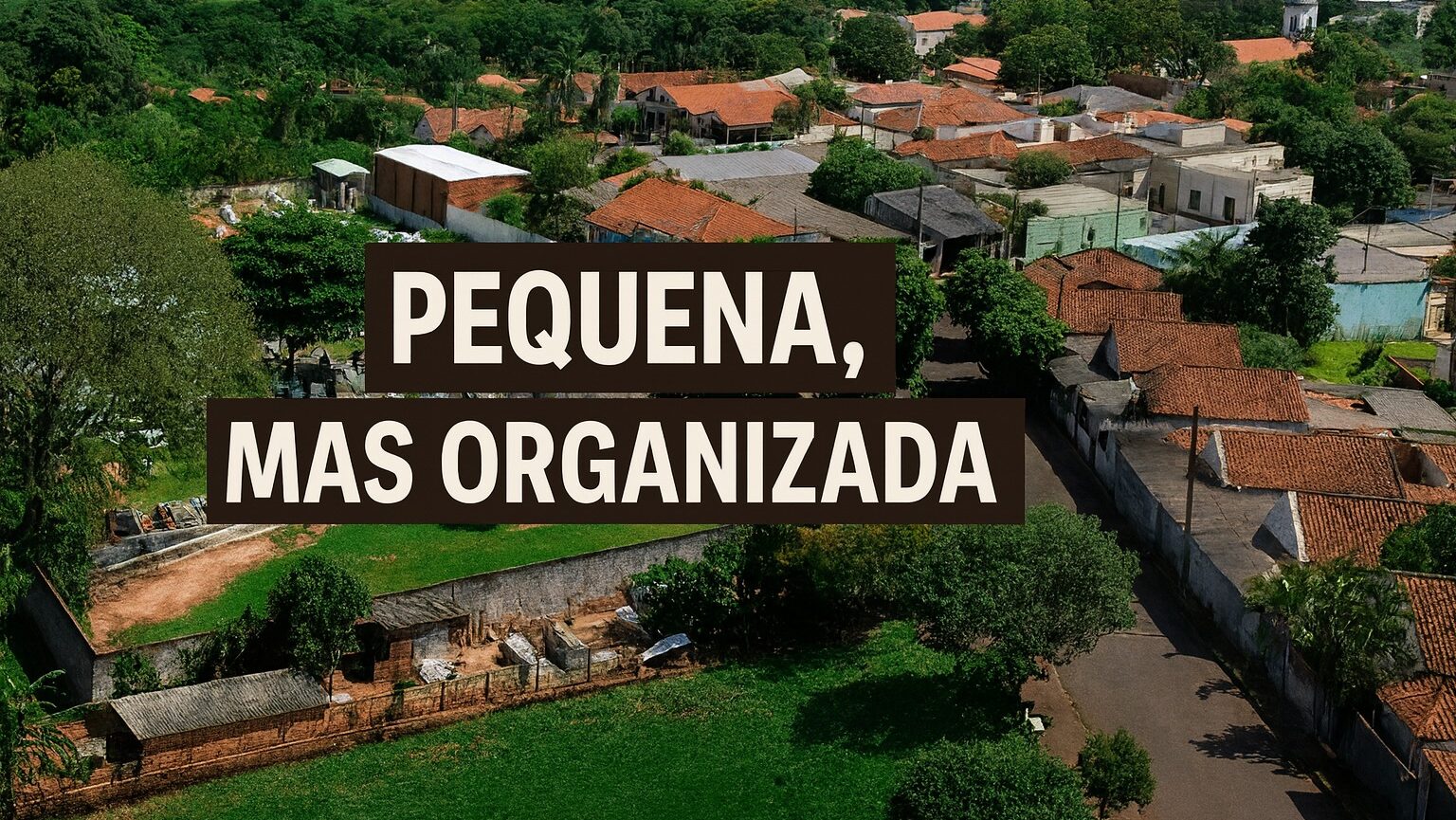


With Only 907 Inhabitants, Borá Is the Smallest City in Brazil, but Maintains Mayor, School, Essential Services and a Quite Active Community Life
Although some cities in the country are small, Borá stands out. The comparison is striking because the municipality is about 93 times smaller than a packed Maracanã stadium. While the stadium in Rio de Janeiro hosts almost 79,000 people, Borá gathers just over 900 residents.
How Many People Live in Borá?
Located 480 km from the capital of São Paulo, Borá has 907 inhabitants, according to the 2022 Census by IBGE. This data secured the municipality the title of smallest city in Brazil by population, even surpassing isolated communities in the Amazon.
Even being so small, Borá is not just a village. The city has a mayor’s office, a city council, a school, a church, a health clinic, and even a soccer field.
-
How to Prevent Brown Recluse Spider Bites: Common Hiding Spots and Free Tips to Reduce Risks

-
Natto: The Unusual Japanese Superfood Gaining Popularity on Social Media and Driving Record Exports
-
Brazilian Mayor Goes Undercover as Homeless for 24 Hours to Assess Public Services

-
15-Year-Old Entrepreneur Malu Lira Publishes 20 Children’s Books on Financial Education, Earns $500,000, and Expands Her Project to the Amazon Rainforest






What Is It Like to Live in Borá?
The residents’ routine is marked by tranquility. There is no traffic, and crime practically doesn’t exist.
All the residents know each other, creating a rare sense of community in larger centers. It is common to see neighbors taking care of the street, collective birthday parties, and events that gather almost everyone.
This lifestyle brings residents even closer and strengthens local ties.
History and Economy
Founded in 1965, Borá’s economic base is in agriculture and livestock. The city hall’s budget is modest, but well managed.
Thus, the city frequently appears in rankings of HDI and quality of life among small municipalities.
Moreover, it has essential public services functioning, such as school, hospital, and urban cleaning.
Why Are There Few People?
The low population can be explained by the geographical context. The region has low population density, little industrial activity, and is far from major centers.
These factors make it difficult to attract new residents. Still, Borá remains an example of an organized community, where life flows at its own pace.
Visitors quickly notice that silence and togetherness are the main characteristics of a municipality that continues to be one of the most curious in Brazil.
With information from Diário do Litoral.