Portuguese
  Spanish




Curitiba Takes Center Stage in the Brazilian Real Estate Market in 2025, Leading Demand and Quality of Life Indices, and Attracting Families and Investors by Offering Affordable Housing, Modern Infrastructure, and Constant Appreciation.
Curitiba (PR) has taken the lead in the Brazilian real estate market among families with incomes between R$ 2,000 and R$ 12,000 and has surpassed São Paulo in housing demand in 2025.
The capital of Paraná ranks first in the IDI Brazil, a sector index that measures the attractiveness of cities for new ventures, with a score of 0.877, ahead of São Paulo (0.853) and Fortaleza.
This trend coincides with Curitiba’s leadership among capitals in the Social Progress Index (IPS) 2025, which identifies the city as the best place to live in the country.
-
Tesla injected an additional $250 million into the German factory, doubled the battery cell target, and opened its own production line for startups.

-
A 180-meter ship with a deck the size of a football field was christened to carry 25,000 tons of giant energy modules around the world.
-
To erect the “Baleia” building on the richest avenue in Brazil, he bought 35 houses, paying with trips to Disney, a truck, and even an apartment, waited over 20 years, and today the complex is valued at R$ 2.5 billion.
-
The land belonged to her great-great-grandfather and was worth R$ 25 per square meter during the pandemic; the couple sold 250,000 m² for the nearly R$ 30 billion project that is transforming the “neighbor of Jericoacoara,” and today a house in the region goes for R$ 4.2 million.


Real Estate Demand: Curitiba Leads in the Economic Segment
The fourth edition of IDI Brazil, developed by CBIC in partnership with the Sienge Ecosystem, CV CRM, and Grupo Prospecta, shows that Curitiba concentrates the highest demand in the country in the so-called economic segment.
Besides São Paulo and Fortaleza, Sorocaba ranks among the top five — the only non-capital in the top — reinforcing the trend of demand shifting to interior regions.
The latest data from the report maintains Curitiba’s lead and details performance by income bracket.
As the market reorganizes, the capital of Paraná positions itself as a showcase for residential launches aimed at first-time buyers and the mid-tier.
Insector communications and analyses, CBIC has highlighted significant changes in attractiveness throughout 2025, with adjustments by income and movements among capitals and mid-sized cities — a scenario in which Curitiba retains its competitive edge.
Quality of Life Drives Purchase Decisions
Real estate attractiveness is supported by urban indicators.
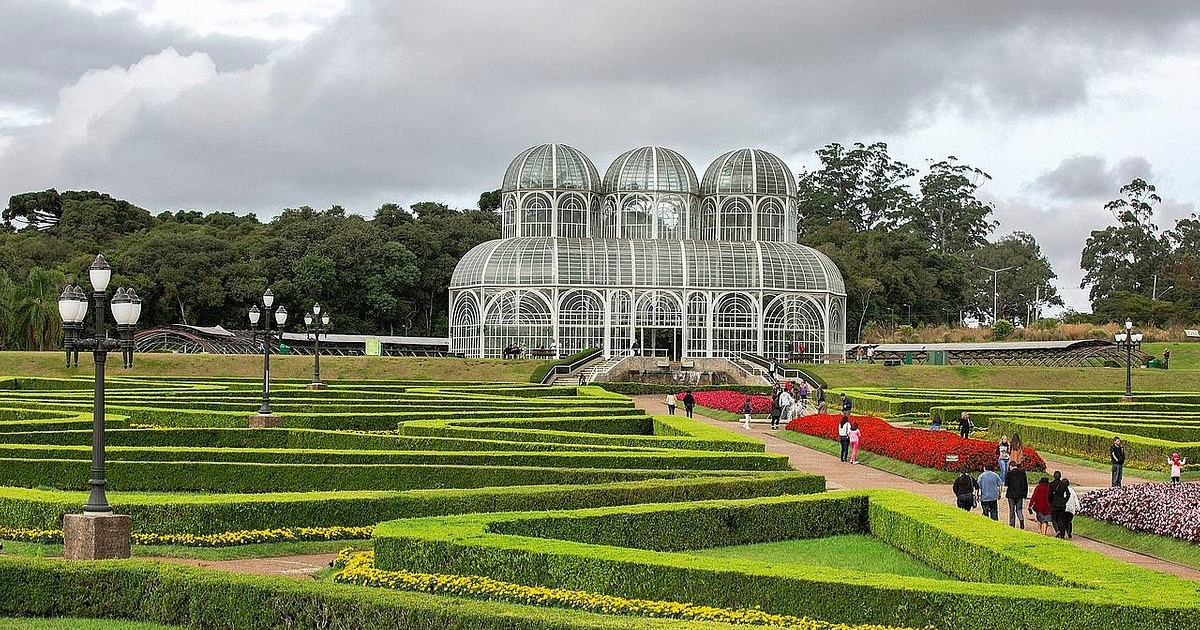
According to the IPS 2025, Curitiba leads among capitals in quality of life, with a score of 69.89, and ranks 12th in the general ranking of the 5,570 cities.
The study, conducted by Imazon with partners, analyzes dimensions such as safety, housing, education, environment, and access to services.
The city also stands out in environmental quality, with exceptional performance among capitals.
In practice, the combination of infrastructure, mobility, and green spaces sustains the perception of better cost–benefit for families seeking to live in neighborhoods with service and transport offerings.
This backdrop helps explain why the demand for housing in Curitiba remained strong throughout 2025, even in a competitive environment with metropolises like São Paulo and Fortaleza.
What The Sector Says
For Diogo Martins, CEO of the Brazilian Institute of Professional Education (IBREP), Curitiba has established itself as “one of the most attractive capitals in the country,” in line with market perception.
In comparison to Balneário Camboriú (SC), he notes that “it is unlikely that Curitiba will surpass” the city in terms of square meter value; however, in terms of the volume of people seeking the city as a home, especially in the mid-tier and for first-time buyers, the capital of Paraná “emerges as a strong candidate to lead” the national market in the coming years.
According to Martins, factors such as urban planning, relative safety, diversity of residential products, and service offerings keep the city on the radar of those looking to buy or invest.
In transforming markets, he adds, the involvement of specialized professionals reduces risks, improves pricing, and accelerates decision-making.
Professional Base and Transaction Security
The recent dynamism is accompanied by a robust base of professionals.
Data from CRECI-PR indicates that Paraná has over 32,000 brokers and around 5,500 real estate agencies with active registration, a volume that adds liquidity to transactions in the state and increases competition for clients, with direct impacts on service quality in Curitiba.
Although the council does not release official breakdowns by municipality as frequently, local entities report a concentration of a significant portion of these professionals in the capital.
For buyers, the presence of brokers and formal companies contributes to document verification, price assessments, and secure financing mediation.
For sellers, the environment favors more efficient launch strategies and absorption of inventories, especially in developments classified under Minha Casa, Minha Vida and in the mid-tier.
Sector reports have been indicating Curitiba as a case of high dynamism within this target audience.
Mid-Sized Cities Advance and Expand the Map of Opportunities
It’s not just the capital that draws attention.
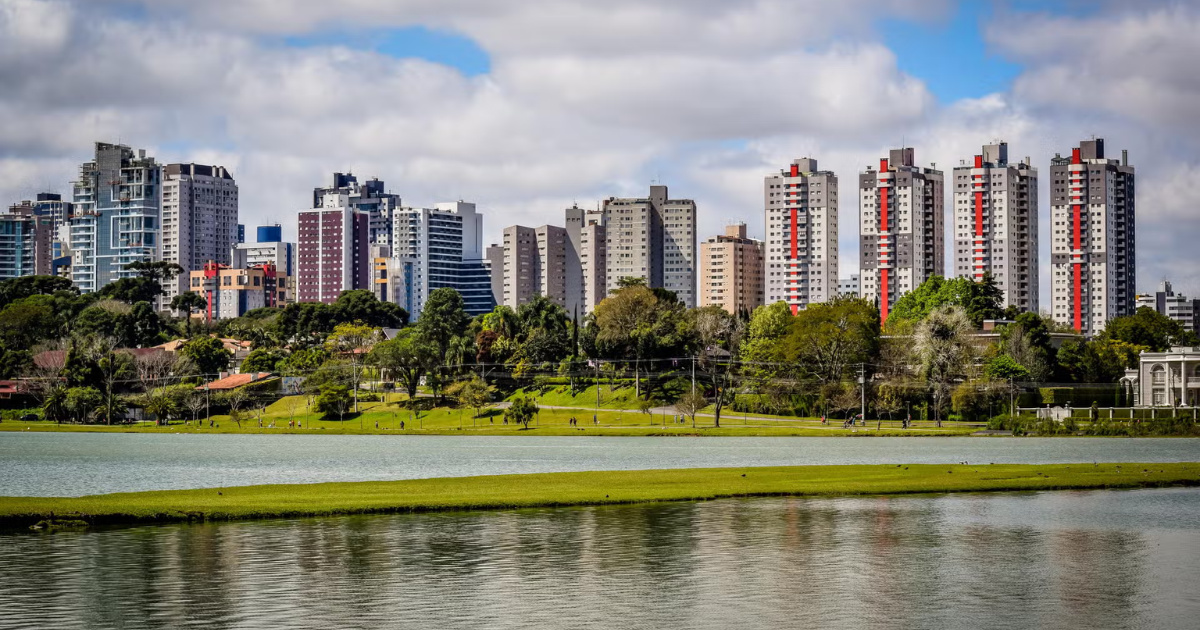
Sorocaba (SP), a member of the top 5 in the economic segment, symbolizes the traction of mid-sized cities with good infrastructure and still competitive prices.
The 2025 IDI recorded gains and losses throughout the quarters, with adjustments in second place and increased space for municipalities outside the traditional launch axis — a movement that tends to decentralize part of the demand.
For investors, the combination of quality of life, less pressured square meter prices compared to coastal markets, and gradual appreciation makes Curitiba one of the most balanced alternatives in the country at this time.
The reading of the indicators suggests that the city has consistent fundamentals to maintain attractiveness, especially in the income bracket up to R$ 12,000, where demand remains resilient.
What to Observe Moving Forward
As new rounds of the IDI Brazil are released throughout the year, the market will watch to see if Curitiba maintains its leadership in the economic segment and how São Paulo and Fortaleza perform in the race for second place.
On the quality of life front, the expectation lies in maintaining IPS indicators at high levels, particularly in the environmental and urban service dimensions, which make up the decision-making package for purchasing property.
Given this scenario, what criteria weigh most in your choice of city for buying real estate: price per square meter, quality of life measured by independent indicators, or prospects for appreciation in the desired neighborhood?