Portuguese
  Spanish


Jaraguá do Sul Treats 100% of Its Sewage, Transforms Sludge into Energy, and Becomes a National Example in Sustainability and Basic Sanitation Management
Jaraguá do Sul, in Santa Catarina, has achieved a rare feat in Brazil: it recycles 100% of its sewage. The city not only treats all the collected material but also uses it to generate energy. In a country where basic sanitation is still a challenge, this example captures the attention of specialists and authorities.
The process adopted in the municipality combines technology, long-term planning, and community participation.
The city has developed a modern system that separates solid waste and reuses the sludge generated during treatment.
-
Fired during apartheid and with a little borrowed money, an electrician started with a borrowed truck and transformed electrical services into a group connected to energy, real estate, and infrastructure in South Africa.

-
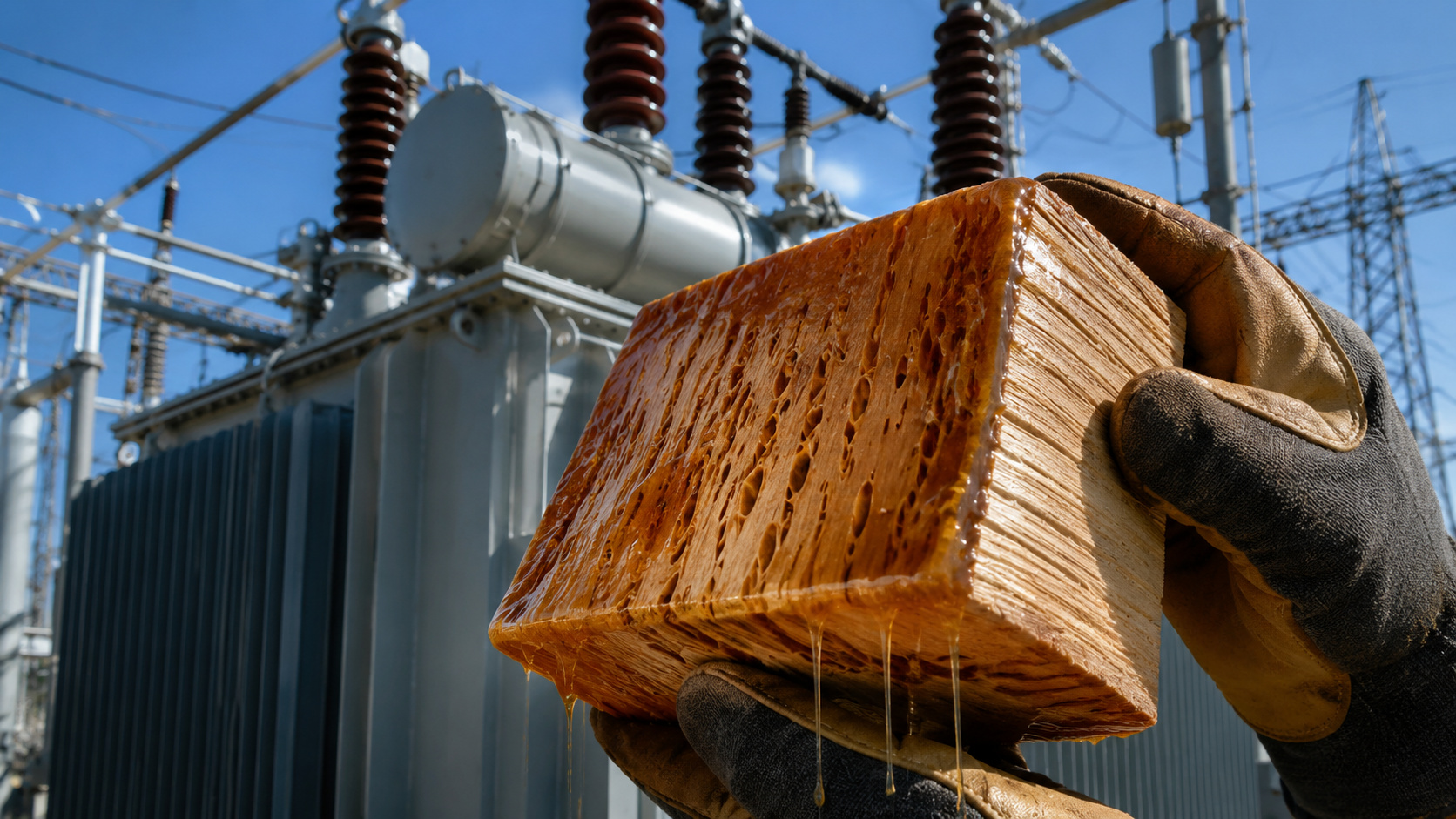
Wood has ceased to be just a construction material in Yale research and has become insulation for electrical transformers that face intense heat, aging, and increasing pressure from the renewable energy-powered grid.
-
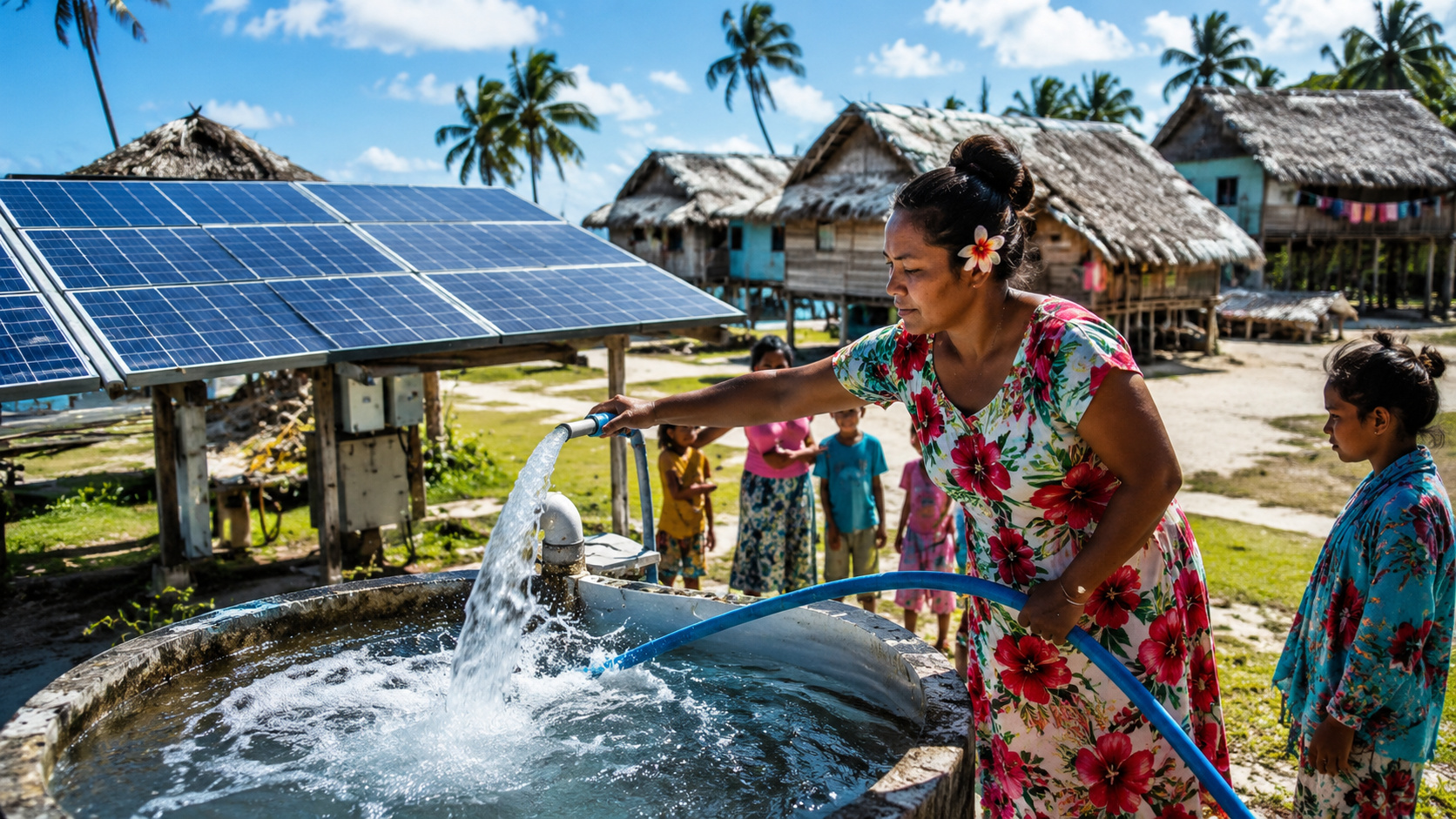
More than 1,000 residents of a remote island in Kiribati now have clean water and electricity with solar systems operated by the community itself.
-
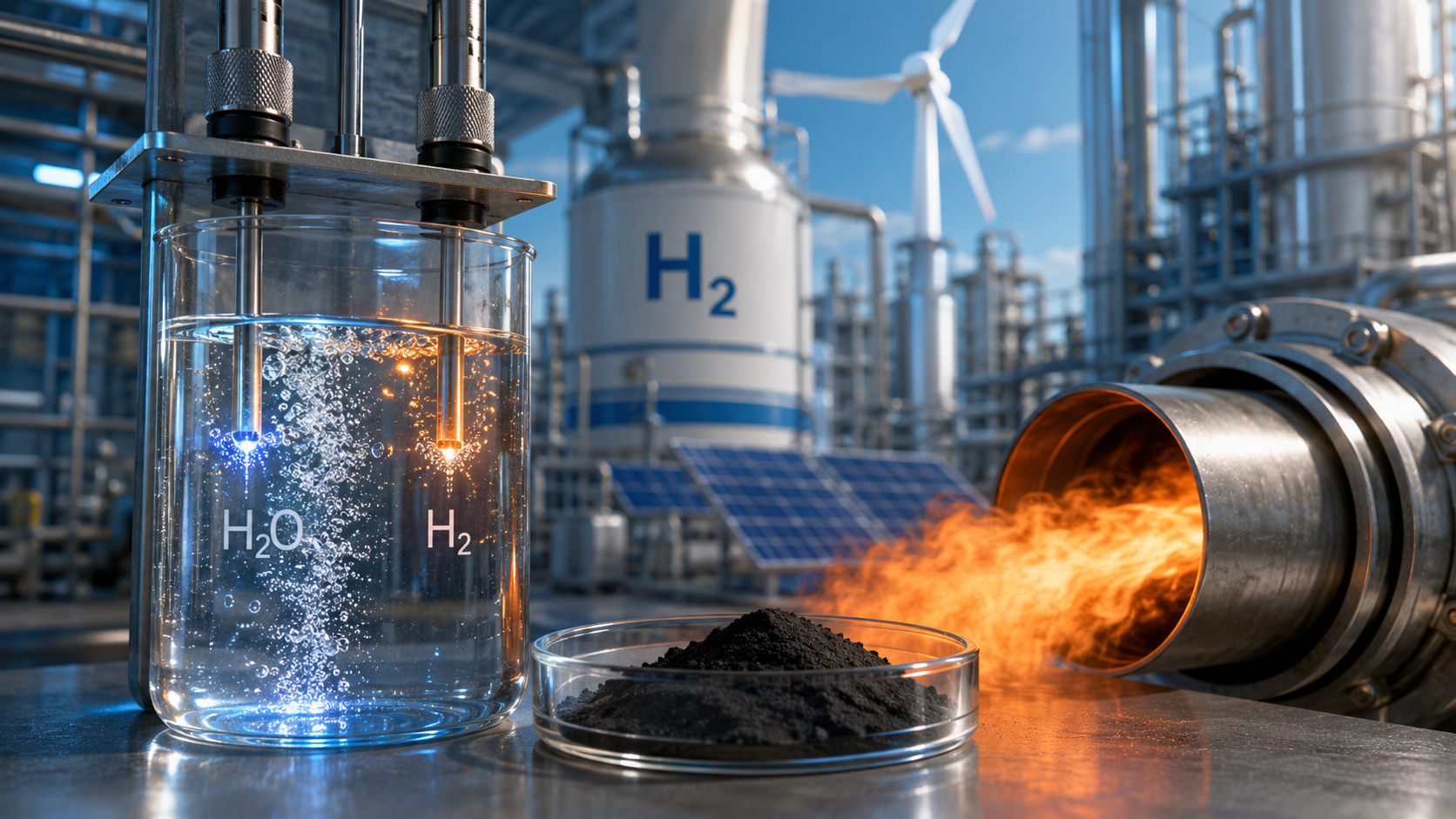
Ceará brings together 7 giants and R$ 66 billion to transform Pecém into the largest green hydrogen hub in Brazil, with final decisions expected by the end of 2026.


By doing so, in addition to preventing the contamination of rivers and lakes, Jaraguá do Sul also produces biogas, which serves as a source of energy.
How Complete Sewage Treatment Works
The strategy of Jaraguá do Sul was built on continuous actions and investments in advanced technologies.
Treatment plants use microbiological processes that purify the water. The liquid returned to the environment meets the quality standards required by environmental agencies.
Another distinguishing feature is the real-time monitoring. The city uses automated systems capable of quickly identifying failures and adjusting processes. This increases efficiency and ensures greater control over all stages of treatment.
Besides the technical aspect, the city invested in raising public awareness. Educational campaigns help highlight the importance of rational water use and proper waste disposal.
Partnerships have also been established with schools to teach students about sustainability from an early age.
Sewage Becomes Energy in an Innovative System
The sludge generated at treatment plants is sent to biodigesters. There, in a controlled environment, an anaerobic process transforms the material into biogas. This gas is used to produce electricity and heat.
The generated energy has been utilized in public sectors, such as urban lighting and municipal buildings. The impact is twofold: savings on electricity bills and reduced emissions of greenhouse gases.
The adoption of this technology has generated financial and environmental benefits. The reduction in energy expenses frees up budget space for other areas, such as health, safety, and education.
Moreover, the model contributes to combating climate change.
Direct Gains for the Population
With sewage treated properly, the risks of waterborne diseases decrease. Quality of life improves, and the city becomes safer for everyone.
Efficient management also attracts investments and increases interest in local tourism.
Another important point is the possibility of expanding the benefits. The city hall is exploring ways to use part of the generated energy to power social projects.
If the idea is implemented, more vulnerable communities could access clean and free energy.
Jaraguá do Sul also observes improvements in the environment. Rivers and lakes in the region are cleaner, and local biodiversity remains preserved.
The positive image of the city helps create jobs and stimulate the economy.
A Model for Other Cities
The success of Jaraguá do Sul inspires other municipalities. The city has already organized seminars and meetings to showcase its system and share experiences. City halls from various regions have shown interest in replicating the model.
Although each city has its own challenges, the example shows that it is possible to achieve good results with planning, technology, and community involvement.
The union of these factors transforms basic sanitation into a driver of development.
The future of Jaraguá do Sul points toward the expansion of these sustainable actions. The city intends to continue investing in innovation and serve as a reference for the country.
The result is a cleaner, healthier city prepared for tomorrow.
With information from Estado de Minas.