






 Portuguese
  Spanish
  4 min of reading
  0 comments


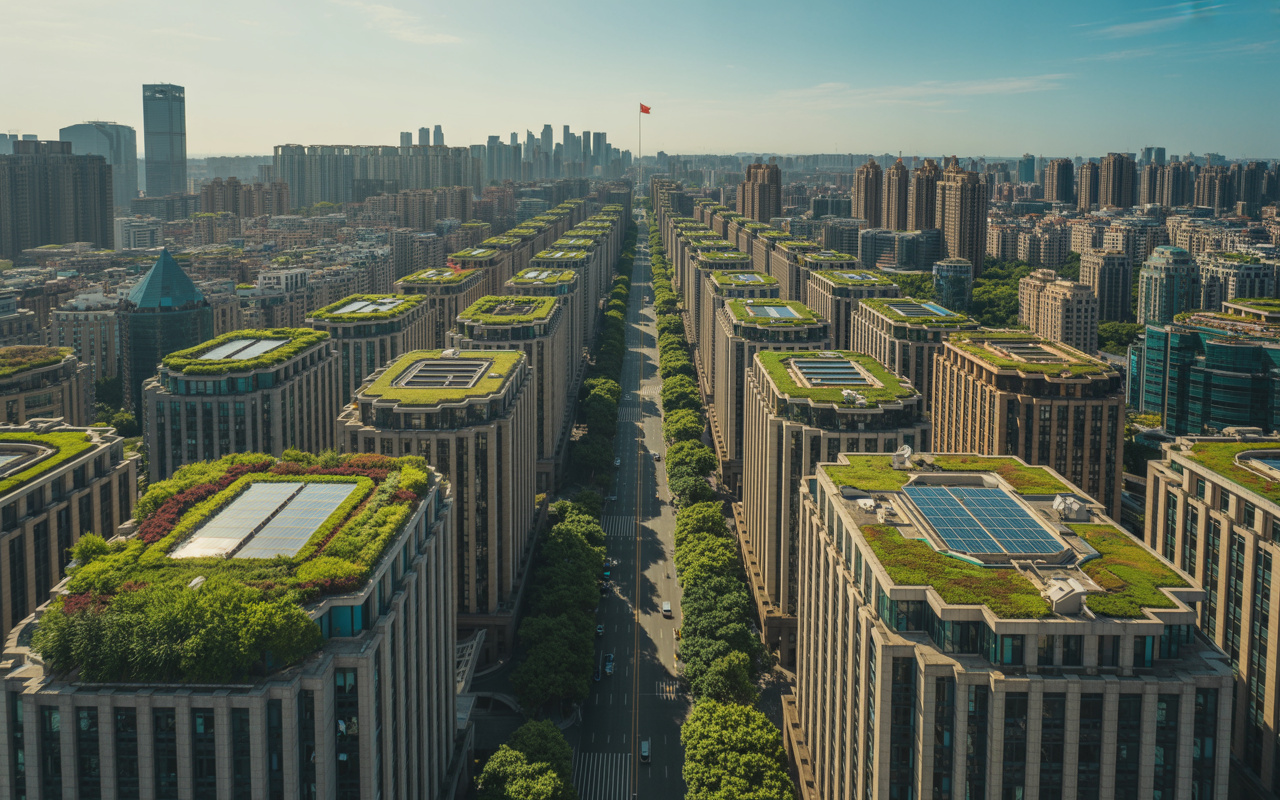
Chinese Cities Adopt Green Roofs to Reduce Heat Waves, Improve Thermal Comfort, and Elevate Quality of Life in Dense Metropolises.
The rapid growth of Chinese cities in recent decades has created some of the largest metropolises on the planet and also some of the hottest and most hostile urban environments in terms of climate. With extensive areas covered by concrete, asphalt, and steel, many cities have begun to record significantly higher temperatures than neighboring regions. To address this scenario, local governments have been adopting a structural and increasingly common solution: transforming urban rooftops into functional green spaces.
This strategy is neither sporadic nor aesthetic. It is part of public policies aimed at climate adaptation, reduction of extreme heat, and direct improvement of the quality of life of the urban population.
The Advancement of Urban Heat Islands in Large Chinese Cities
The phenomenon known as urban heat island occurs when impervious surfaces absorb large amounts of solar radiation during the day and release that heat slowly at night. In densely built cities, this process prevents the natural cooling of air, keeping temperatures high even after sunset.
-
India assembles two giant tunnel boring machines weighing over 3,000 tons to dig the country’s first underwater railway tunnel, with 7 km under Thane Creek and high-speed train tracks running up to 114 meters deep.

-
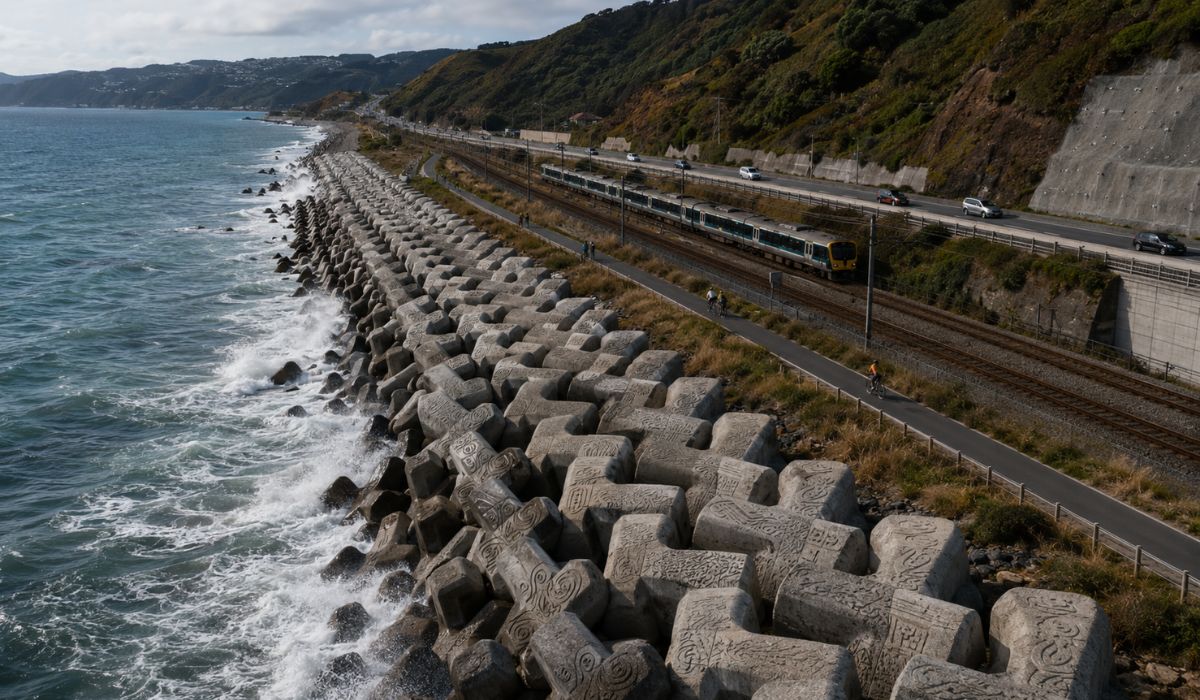
New Zealand aligns nearly 7,000 X-shaped concrete blocks like puzzle pieces to protect railway, highway, and cycle path against waves, erosion, and earthquakes on one of Wellington’s most sensitive coasts.
-
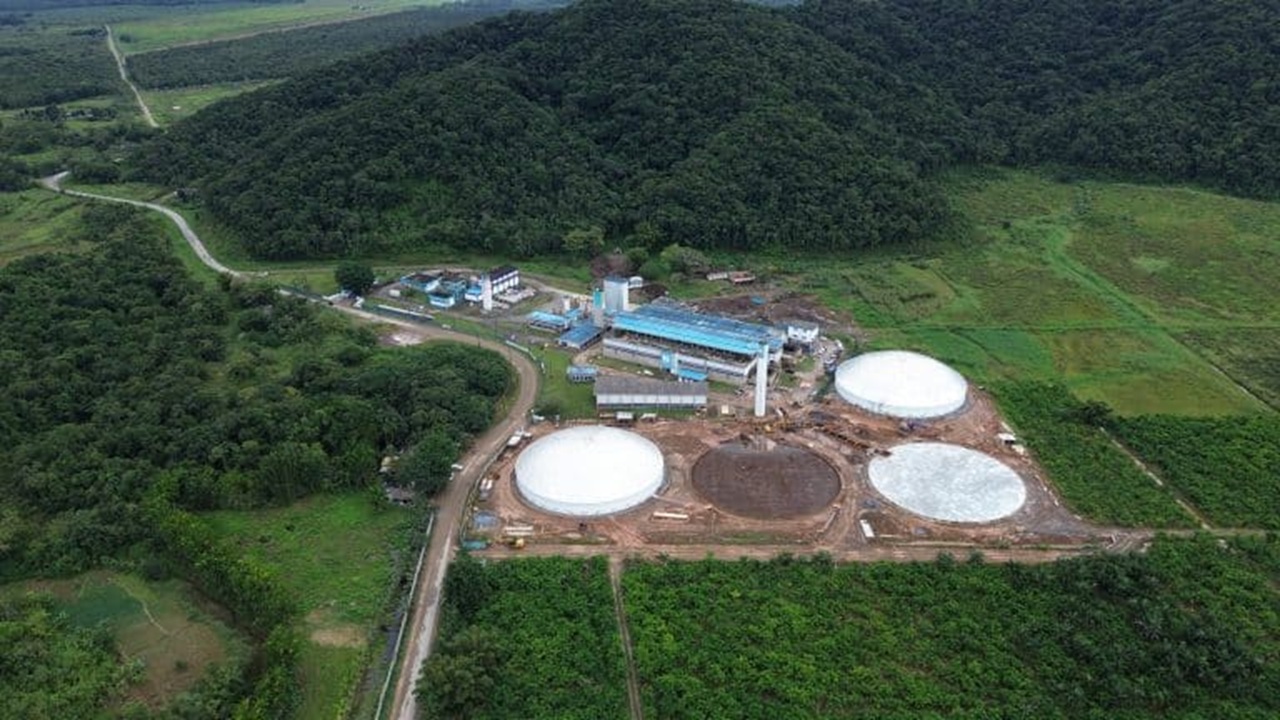
Baixada Santista receives water reservoirs worth R$ 84.6 million in Itanhaém with 20 million liters to reinforce the supply for 1.2 million residents in five cities.

-
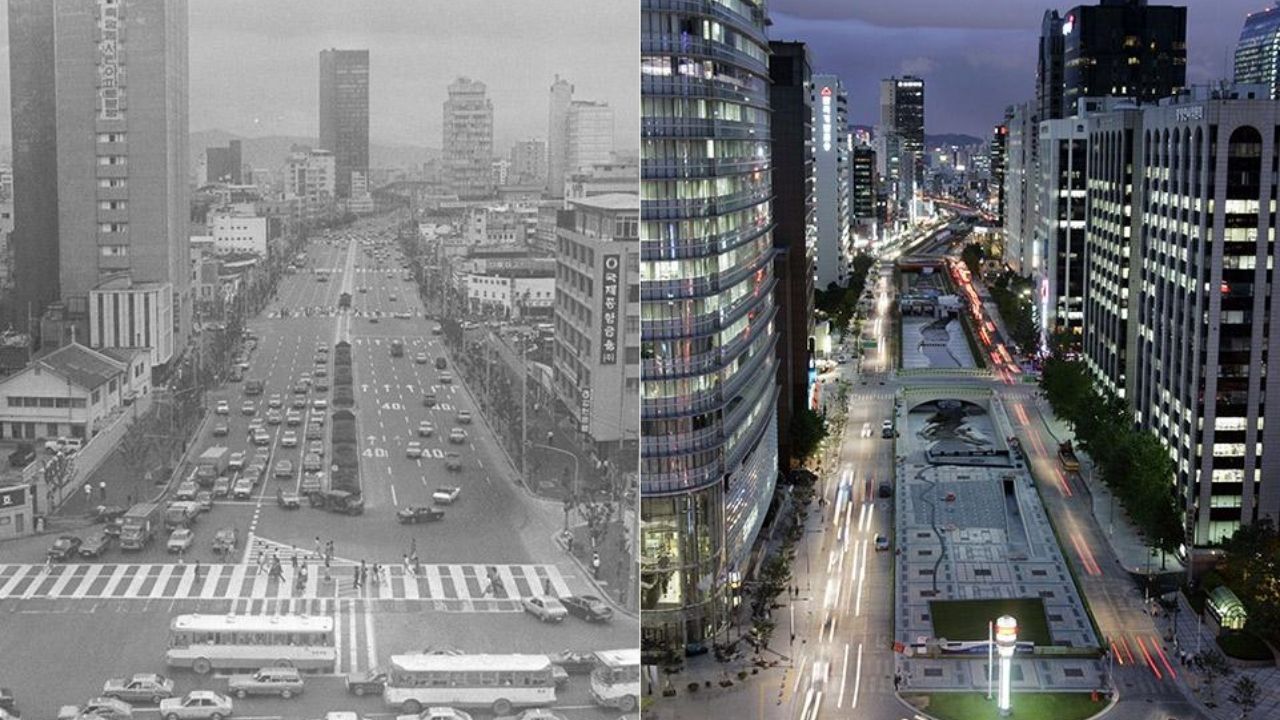
A river buried under a highway became an urban park in Seoul after a multimillion-dollar project at Cheonggyecheon, attracting 64,000 visitors per day, increasing biodiversity by 639%, and showing why cities are replacing concrete with water and green areas.



In China, this effect has intensified with accelerated verticalization, the expansion of paved roads, and the reduction of traditional green areas.
During recent heat waves, some Chinese metropolises recorded differences of several degrees between central areas and peripheral zones, increasing energy consumption, air conditioning usage, and health risks, especially among the elderly and children.
How Green Roofs Function in Chinese Metropolises
The green roofs implemented in Chinese cities are not simple decorative gardens. They follow specific technical projects, with layers of waterproofing, drainage systems, suitable growing media, and species selected to withstand local climate.
These structures reduce the surface temperature of buildings, decrease heat transfer to the interiors of constructions, and help cool the surrounding environment through plant evapotranspiration.
In measurements taken in areas that adopted the model, the temperature difference between conventional roofs and vegetated roofs can be significant, especially during heat peaks.
Green Roofs Within the Sponge City Concept
The expansion of green areas on rooftops is directly linked to the sponge city concept, an urban policy adopted by China to improve rainwater management.
The idea is to make cities absorb, store, and reuse water, reducing flooding and the burden on drainage systems.

In this model, green roofs play a strategic role in retaining part of the rainwater, delaying surface runoff, and relieving pressure on drainage systems. In addition, the retained moisture contributes to keeping vegetation active, reinforcing the urban cooling effect.
Chinese Cities That Have Already Adopted Green Roofs on a Large Scale
In metropolises like Shenzhen, Shanghai, and Guangzhou, rooftops of residential buildings, commercial centers, logistics hubs, and even elevated parking lots have been converted into green spaces. In some cases, these areas also serve as spaces for socializing, leisure, and circulation for residents and workers.
These interventions help reintroduce greenery in highly dense areas, improving the local microclimate, reducing air pollution, and making urban environments more pleasant and livable.
Direct Impact on Urban Quality of Life
In addition to reducing heat, green roofs help decrease electricity consumption, as buildings remain cooler and require less air conditioning use. They also help reduce noise, improve air quality, and increase urban biodiversity by creating micro-habitats for insects and birds.
For cities facing increasingly intense summers, this solution represents a practical, scalable, and relatively quick response to climate challenges.
A Structural Change in Chinese Urbanism
The transformation of urban rooftops into green areas shows how China is adjusting its urbanization model in the face of climate change. Instead of merely expanding green areas on the ground, cities have begun to look upward, utilizing previously underutilized surfaces as tools for environmental adaptation.
This is not just about planting vegetation; it’s about rethinking the role of urban infrastructure in the face of growing global warming.
By transforming urban rooftops into green areas, Chinese cities are adopting an intelligent solution to reduce extreme heat, improve thermal comfort, and make metropolises more resilient.
The initiative reveals a clear shift in the way urbanism tackles climate challenges, showing that even in highly dense cities, it is possible to return space to nature and improve the lives of millions of people.




-

-

-

6 people reacted to this.