






 Portuguese
  Spanish


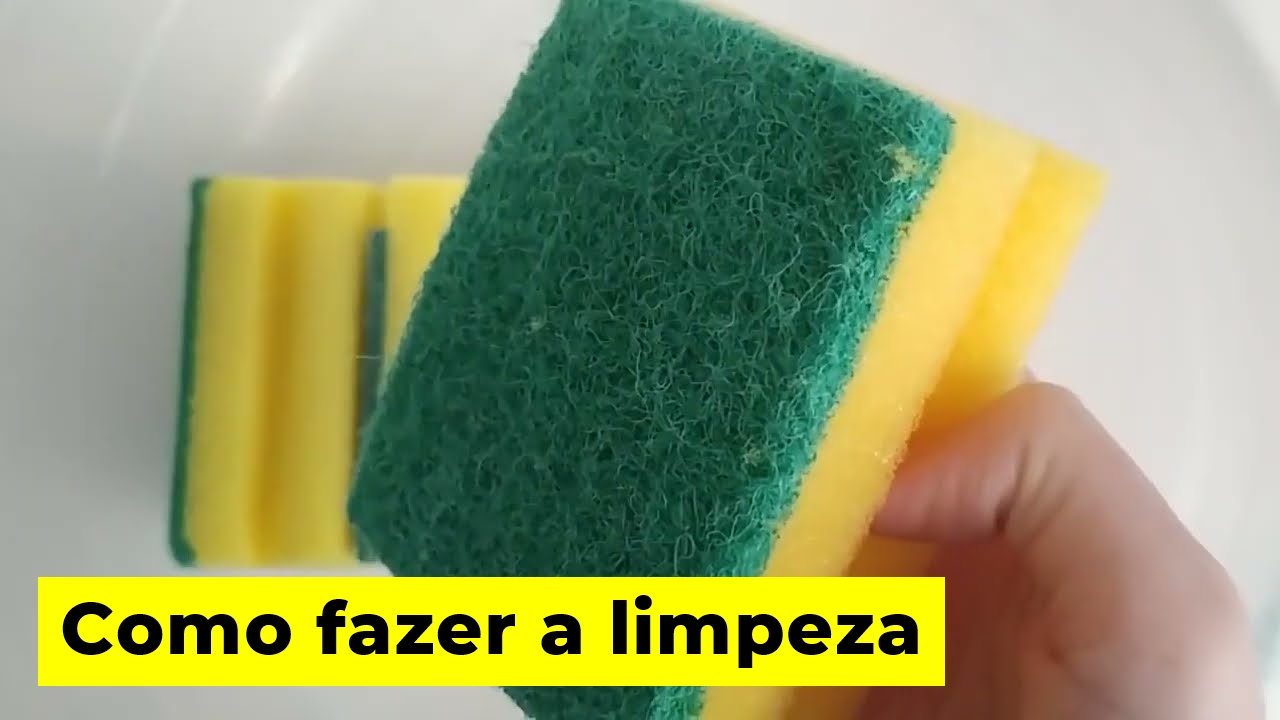


Did You Know That The Kitchen Sponge Can Be One Of The Dirtiest Items In Your Home? Scientists Explain Why It Is Essential To Clean It And Show The Best Way To Do It!
Did you know that the kitchen sponge can be one of the dirtiest items in your home? Studies show that they can contain millions of bacteria, including fecal coliforms, indicating contamination from fecal matter.
In just two weeks of use, a sponge can harbor around 8 million bacteria, significantly increasing the risks of cross-contamination and food poisoning.
Proper cleaning and regular replacement of sponges are essential to maintain a safe kitchen.
-
Entrepreneur Turns Rio Cemetery Canteen into a Successful Snack Chain Generating $4.9 Million Annually and Expanding to Metro Stations

-
Rare fox feared “extinct” found alive on Caribbean island after over two decades without official sightings

-
21-Year-Old Brazilian Student Turns Homemade Popsicle Hobby into $100,000-a-Month Business

-
Australia Dumps Hundreds of Thousands of Tons of Gravel into Rivers to Restore Natural Barriers and Reverse 150 Years of Erosion





In this article, you will discover the best methods to clean them, based on research and expert recommendations, as well as practical tips to avoid cross-contamination.
The Invisible Danger Of Kitchen Sponges
Sponges are made of cellulose, a highly absorbent material that retains moisture and food residues, creating the perfect environment for bacterial growth.
Additionally, by using them to clean surfaces and utensils, we can end up spreading microorganisms throughout the kitchen.
According to a study by the National Science Foundation (NSF), 75% of tested sponges and dishcloths contained coliform bacteria, indicating a high presence of dangerous microorganisms, such as Escherichia coli (E. coli). Another study conducted by Duke University compared sponge structure to “small apartments for bacteria,” reinforcing the importance of effective and frequent cleaning.
Moreover, the constant moisture and food residues present in the sponge promote the growth of fungi, such as yeasts and molds, which can exacerbate allergies and respiratory issues. Therefore, keeping the sponge clean is not just a matter of hygiene but also of disease prevention.
How Often Should You Clean The Sponge?
Experts recommend that sponges be sanitized at least once a week. However, if it has a strong odor, discoloration, or is heavily worn, it is best to discard it immediately.
In addition to regular cleaning, frequent replacement is fundamental. It is recommended to change the sponge every two weeks to minimize contamination risks.
Some experts suggest that, depending on usage, replacement may be necessary even more frequently, especially in environments where raw food handling is constant.
Effective Cleaning Methods
There are several ways to disinfect your kitchen sponge and significantly reduce the bacterial load. Here are some of the most effective methods:
Microwave: Placing the wet sponge in the microwave for 1 minute on high power is one of the most effective methods for killing germs. Studies indicate that this procedure can kill up to 99.9% of bacteria. However, it is essential to ensure that it is damp and does not contain metal parts to avoid fire hazards.
Bleach: Soaking the sponge in a 10% bleach solution for 1 minute is also highly effective. This process eliminates dangerous microorganisms, drastically reducing contamination. For greater effectiveness, it is ideal to combine bleach immersion with full drying in the sun.
70% Alcohol: Soaking the sponge for 1 minute in 70% ethanol alcohol is also an efficient option for eliminating bacteria. This method is ideal for those looking for a quick and accessible solution.
Dishwasher: Placing the sponge in the dishwasher on the hot cycle is also an effective strategy. The high temperature and detergents used help eliminate harmful microorganisms.
What To Avoid When Cleaning
- Do Not Reuse Old Sponges: If your sponge is visibly worn, it is best to discard it.
- Avoid Just Rinsing With Water And Soap: This process is not sufficient to eliminate bacteria.
- Never Use The Same Sponge For Different Surfaces: Ideally, have separate sponges for washing dishes and for cleaning other areas of the kitchen.
- Avoid Improper Storage: Always store the sponge in a dry and ventilated place to prevent microorganism proliferation.
The Impact Of Hygienization On Health
Keeping your kitchen sponge clean is not just a matter of organization but also of health. Food poisoning affects millions of people every year, potentially causing symptoms such as diarrhea, fever, cramps, and, in more severe cases, chronic diseases.
Avoiding cross-contamination and ensuring proper cleaning of the sponge can significantly reduce these risks.
The kitchen sponge, although it seems harmless, is one of the biggest sources of contamination in the kitchen. To prevent the spread of bacteria and ensure a safer environment, it is essential to clean it regularly and replace it when necessary. Small habit changes can make a big difference for your health and well-being.
Information from hgic.clemson.edu.





❤️Aqui você pode tirar a roupa da garota e vê-la nua) Confira ➤ Ja.cat/gosea