






 Portuguese
  Spanish


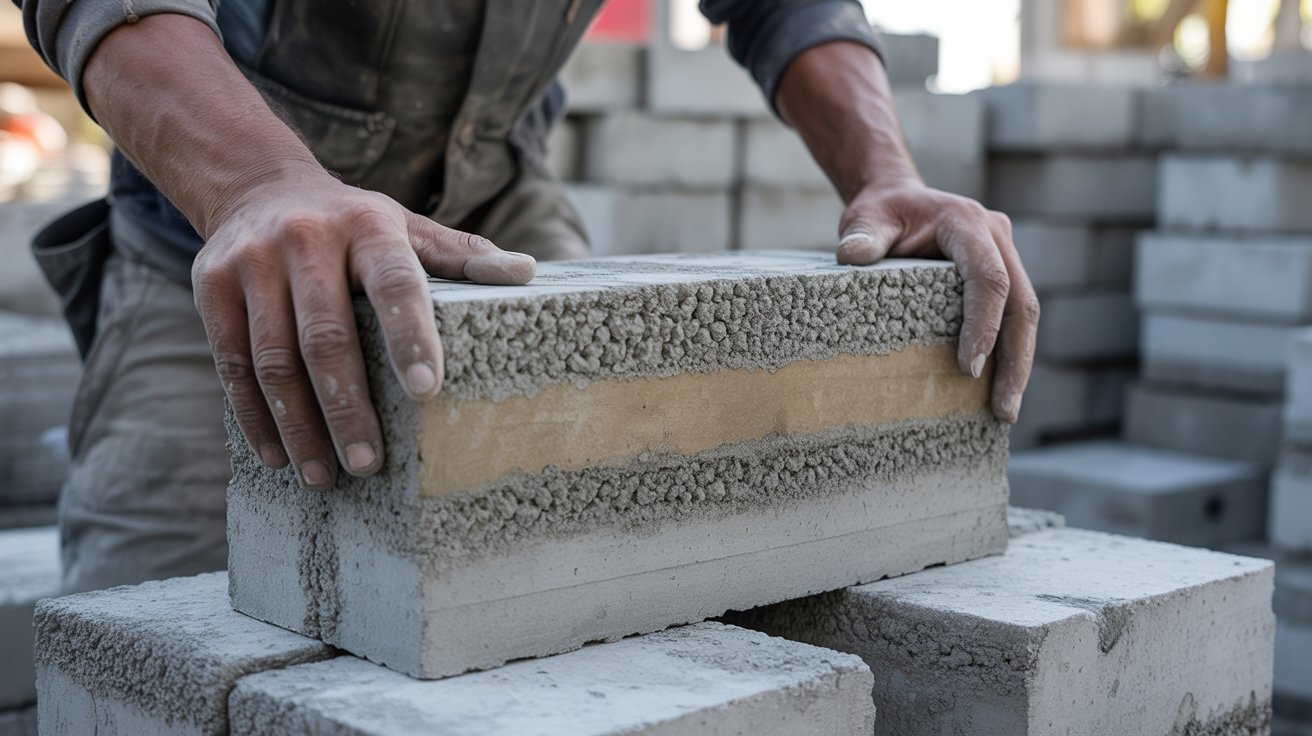

Researchers from the University of Stuttgart, Germany, developed a sustainable concrete using human urine as raw material, through a process called biomineralization, aimed at reducing the environmental impact of construction. The discovery was published in early July 2025 and represents an alternative to traditional cement, which emits large amounts of CO₂.
The new technique is based on the transformation of urea present in urine into calcium carbonate, one of the main components of concrete. This process, called biomineralization, converts organic matter into solid mineral structures, without the need for high-temperature kilns, as occurs in conventional cement production.
For this, a powder with specific bacteria is mixed with sand and placed in molds. Over three days, calcium-enriched urine is applied, allowing the crystals to grow and strengthen the material. The result is a type of bioconcrete that continues to mineralize over time, becoming more resistant.
According to the scientists, urine was chosen not only for being abundant and easily collected, but for containing high concentrations of urea, essential for the crystallization process. The method also avoids the emission of polluting gases associated with traditional cement manufacturing, which is responsible for about 8% of global CO₂ emissions.
-
Ancient Indian Tunnels Built in 1615 Still Use Gravity to Supply 1.8 Million Liters of Water Daily, Unlike Modern Cities Spending Millions on Pumps and Grids

-
Inspired by a 2000s Wonder Woman cartoon, she amassed 1,581 items, including a comic signed by Stan Lee, becoming the world’s largest collector.

-
Man Mistakes Lottery Email for Spam, Nearly Loses $185 Million Powerball Prize in Australia
-
8-Year-Old Girl from Kashmir Sets World Record by Reciting and Organizing All 118 Periodic Table Elements in 33.71 Seconds


Ecological Concrete May Surpass Traditional in Strength
One of the advantages of bioconcrete is that it does not degrade over time as traditional cement does. This is because the bacteria used continue to produce crystals continuously, increasing the material’s durability.
Furthermore, the new concrete does not require the burning of limestone, a step that demands high energy consumption in the cement industry. Thus, the solution proposed by the Germans promises to reduce costs and emissions, while providing a useful destination for a widely available human waste.
The proposal is still in the experimental phase, but researchers believe it could be applied on a large scale in the coming years, especially in modular structures like blocks and bricks.
Project Was Published in International Scientific Journal
The research was conducted by the Institute for Lightweight Structures and Conceptual Design (ILEK), linked to the University of Stuttgart, and gained prominence in the scientific journal Nature. The university published details of the process on its official portal, including videos and images of the produced blocks.
See how urine is converted into concrete through a scientific process in video: Click here
According to the published article, the team is seeking partnerships with companies in the civil engineering field to conduct tests in external environments and assess the performance of bioconcrete in real situations.
The expectation is that, with technological advancements, urine concrete may become a viable and safe alternative, especially in temporary works, conflict zones, or areas with a scarcity of industrial resources.
The information was disclosed by the portal Xataka, based on publications from the Universität Stuttgart and an article in the Nature journal published in July 2025.


