






 Portuguese
  Spanish


Indaiatuba Unit to be Deactivated After Nearly Three Decades of Operation, While Corolla Sedan Production Moves to Sorocaba and the Automaker Maintains a Plan of R$ 11 Billion to Expand Industrial Operations in Brazil by 2030.
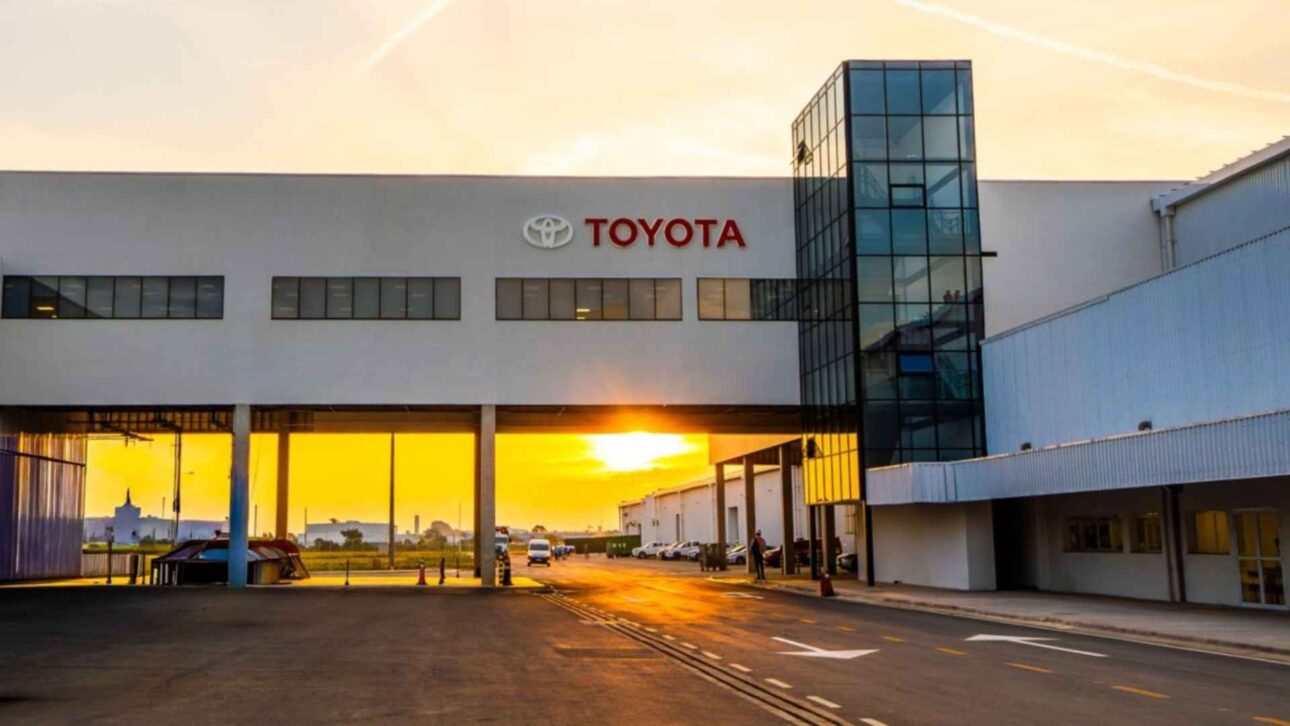
Toyota plans to end activities at the Indaiatuba factory, in the interior of São Paulo, on June 30, 2026. This unit, inaugurated in 1998, is responsible for more than 1 million vehicles produced and about 1,500 direct jobs.
The decision is part of the automaker’s industrial reorganization in Brazil and is linked to the transfer of Corolla Sedan production to Sorocaba, also in the interior of São Paulo, where the company is focusing on expanding its production structure until 2030.
While deactivating the Indaiatuba plant, the manufacturer maintains a plan of R$ 11 billion in investments in the country, aimed at expanding operations in Sorocaba and Porto Feliz, focusing on new models and hybrid flex technologies.
-
Woman Claims to Have Spotted a Technical Pattern in Recent FIFA Tournaments, Predicts Possible World Cup Winner

-
Chevrolet Offers Chance to Win a 2026 Sonic RS for Free via WhatsApp
-
Earthquake vs. Tsunami: Which Causes More Destruction and Why One Can Be Even More Dangerous
-
Hospital Cook Discovers 1,700-Year-Old Pot of 52,503 Roman Coins Using Metal Detector in Field


Corolla Sedan Production Will Be Transferred to Sorocaba
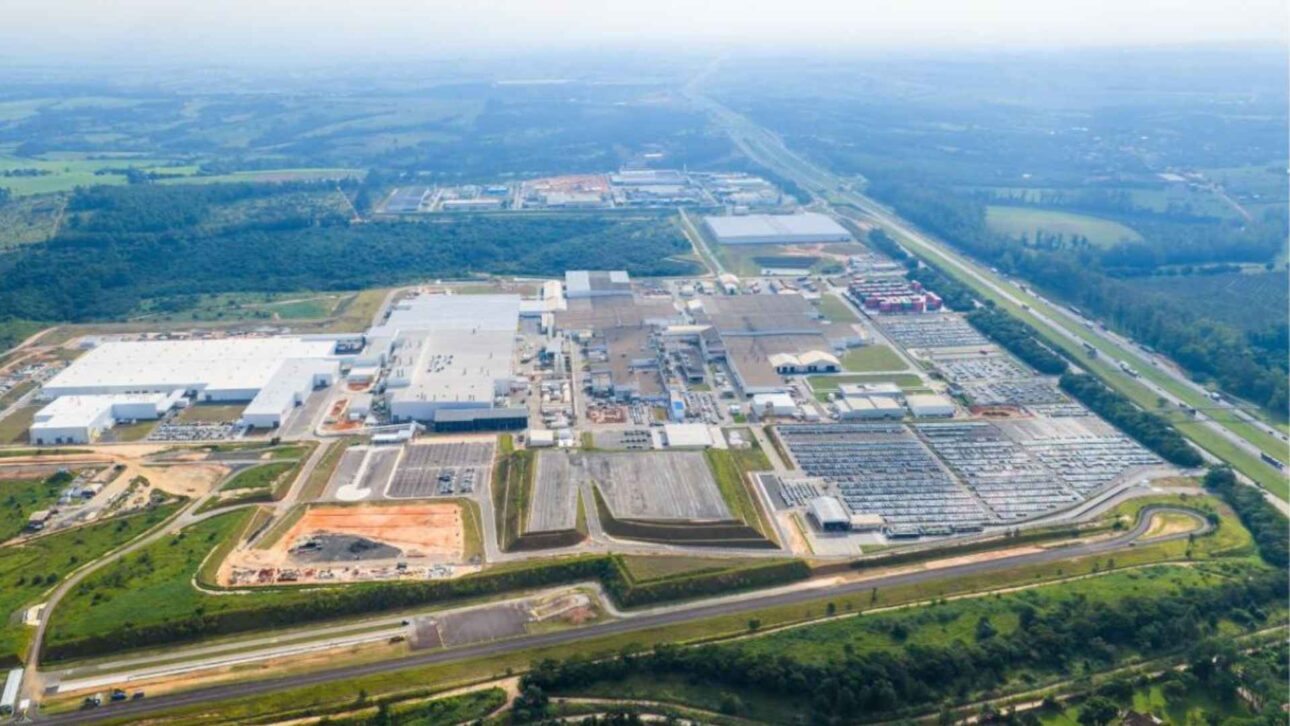
Inaugurated in 1998, the Indaiatuba factory was Toyota’s first industrial unit dedicated to vehicle production in Brazil and was mainly associated with the manufacturing of the Corolla Sedan in the national market.
With the transfer of the line to Sorocaba, the company intends to consolidate production stages in a single industrial complex, a measure presented by the company as part of the strategy to reorganize national operations in the coming years.
Announced in 2024, the change involves the transfer of operations from Indaiatuba to Sorocaba between 2025 and 2026, without the company indicating an interruption of Corolla Sedan production in Brazil.
In addition to vehicle assembly, the industrial plan includes activities related to electrification, including components for hybrid flex models, a technology already used by Toyota in part of its line produced and sold in the country.
Investment of R$ 11 billion expands operations in the interior of São Paulo
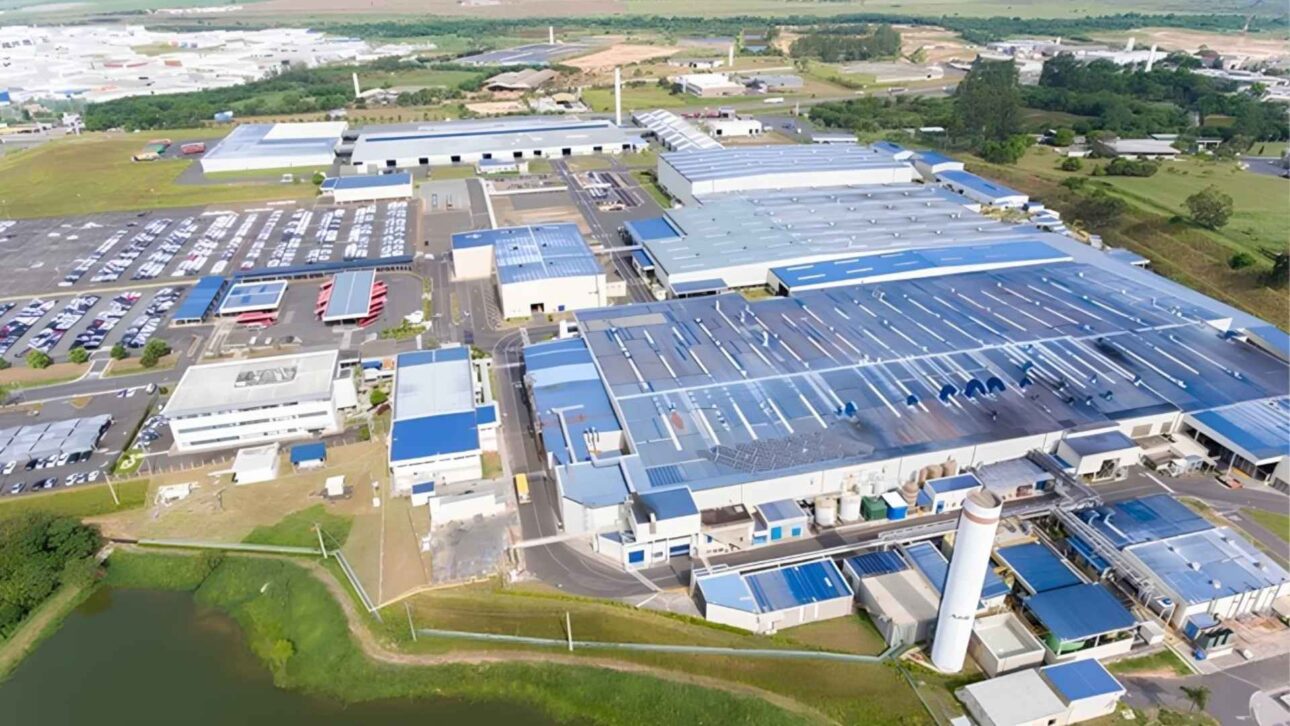
With the deactivation of Indaiatuba, the Sorocaba complex will concentrate a larger portion of Toyota’s production in Brazil, bringing together existing lines and new structures planned within the package announced by the automaker.
In October 2024, the company laid the cornerstone for the second factory in Sorocaba, a project included in the R$ 11 billion cycle until 2030 and linked to the production of two new hybrid flex models.
According to information released by Toyota and the federal government, the investment package will be executed in stages, with R$ 5 billion planned until 2026 and another R$ 6 billion scheduled until 2030.
The expansion also involves Porto Feliz, where the company plans activities related to hybrid engines, while Sorocaba is expected to receive structures associated with the production of vehicles and components related to flex electrification.
Labor agreement defined alternatives for employees
The closure of the Indaiatuba unit led workers to carry out strikes in 2024 and opened negotiations between Toyota and the Metalworkers’ Union of Campinas and Region.
After discussions, an agreement was approved with alternatives for employees, including joining a voluntary redundancy program or transferring to Sorocaba, according to the conditions agreed upon between the company and the union.
Among the main points disclosed by the union entity, the redundancy package included the payment of 45 salaries to workers who chose to leave the company, in addition to additional rules of stability and benefits.
The negotiation also included employees who wished to remain with the automaker, with the possibility of transferring to Sorocaba and specific conditions for those who accepted to work in another city or relocate.
According to information released at the time, Toyota stated that the priority was to absorb Indaiatuba workers into the new production configuration, without unilateral dismissals during the transition process between units.
Transfer of workers continues to be monitored by unions
Representatives of the metalworkers are monitoring the effects of Toyota’s expansion in Sorocaba, especially due to the possible movement of suppliers, logistics companies, service providers, and workers related to the automotive sector.
The automaker reported that the expansion plan is associated with the creation of direct jobs, while local entities also project indirect impacts on companies that supply parts, systems, services, and production support.
In the Campinas region, the union is monitoring the execution of commitments made with employees in Indaiatuba, mainly regarding the gradual transfer of workers and the maintenance of guarantees provided in the agreement.
This monitoring occurs because the change involves employees from a unit inaugurated almost three decades ago and alters the distribution of Toyota’s operations among municipalities in the interior of São Paulo.
Industrial reorganization does not indicate exit from Brazil
Although it has confirmed the closure of activities in Indaiatuba, Toyota has not announced an exit from Brazil nor a general reduction of its industrial presence in the country, but a redistribution of operations within the state of São Paulo.
The company continues with factories and projects in Brazilian territory, including Sorocaba and Porto Feliz, where expansions related to hybrid vehicles, engines, batteries, and components associated with the flex electrification strategy are planned.
In recent years, other automakers have also announced investments in Brazil, with plans focused on electrified models, adaptation of industrial plants, and expansion of operations amid changes in the automotive sector.
In the case of Toyota, the transition ends production in Indaiatuba and shifts the central part of the operation to Sorocaba, a city that will start receiving the production of the Corolla Sedan and new projects planned in the billion-dollar plan.
The Indaiatuba unit ceases production after a period that began in 1998, while the investment in Sorocaba redefines the company’s manufacturing distribution for the coming years in the Brazilian automotive sector.


