Portuguese
  Spanish


Bray Falls was an aerospace engineer. Today, at 27, he lives in a trailer and runs the world’s largest telescope ranch, in central Texas. There are about 550 telescopes under a sky almost free of light pollution, remotely controlled by astrophotography enthusiasts.
He traded an engineering job for a trailer in the middle of nowhere. At 27 years old, American Bray Falls built what is considered the world’s largest telescope ranch, on a plot of about 16 hectares on the outskirts of Brady, in central Texas. There, he takes care of approximately 550 telescopes that clients from all over the world control via the internet.
The big draw is the sky. The land is under one of the darkest skies on the planet, practically free of light pollution, which is a dream for those who do astrophotography. In an interview with the Core Memory podcast, by journalist Ashlee Vance, Bray Falls explained how he transformed a cattle pasture into a business that practically rents access to the stars.
How the world’s largest telescope ranch works
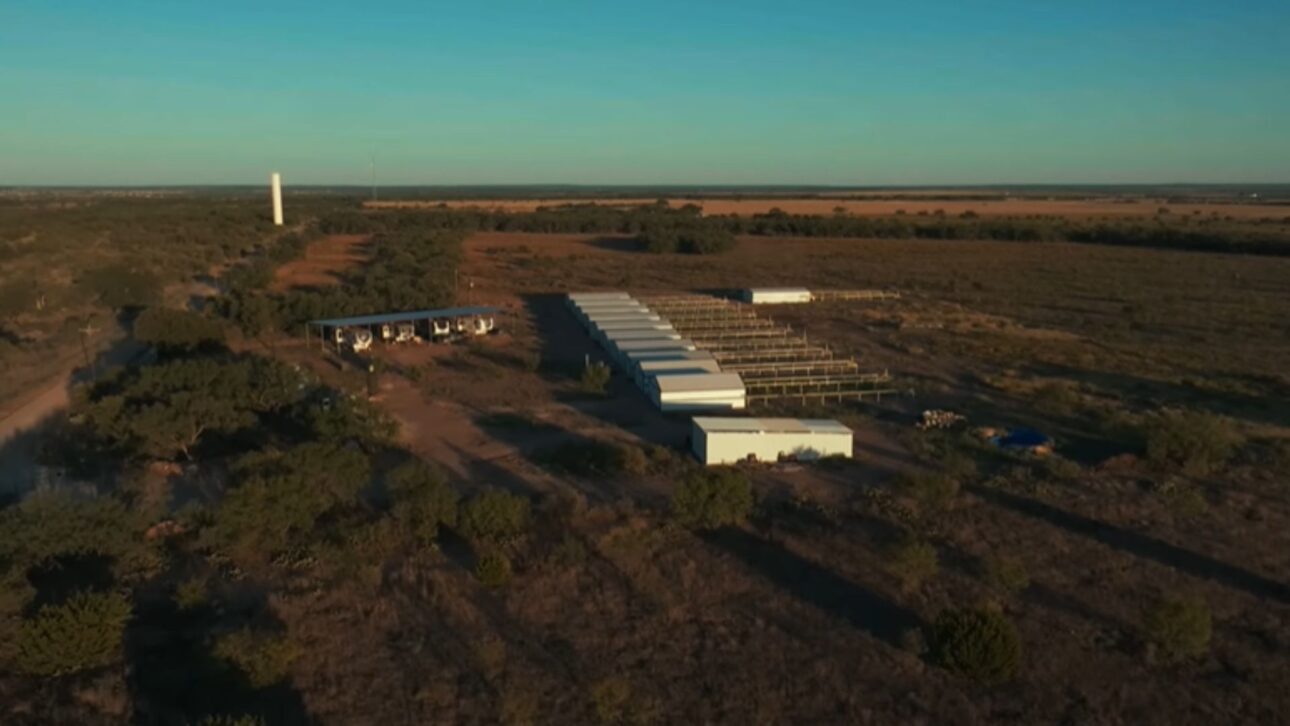
The operation, named Starfront Observatories, consists of about 11 metal sheds with retractable roofs, which open automatically on clear nights.
-
Stingless Bee Honey from Brazil Can Cost Up to $120 a Liter, Surprises with Flavors of Wood, Citrus, and Even Cheese

-
ChatGPT Alerts FBI to Prevent Planned Murder of 8-Year-Old in Brazil’s Espírito Santo
-
Woman Claims to Have Spotted a Technical Pattern in Recent FIFA Tournaments, Predicts Possible World Cup Winner
-
Chevrolet Offers Chance to Win a 2026 Sonic RS for Free via WhatsApp


Inside them, about 550 telescopes, some worth tens of thousands of dollars, are bolted to concrete pillars and mounted on equatorial bases aligned with the celestial pole, which track the Earth’s rotation to allow long-exposure photos.
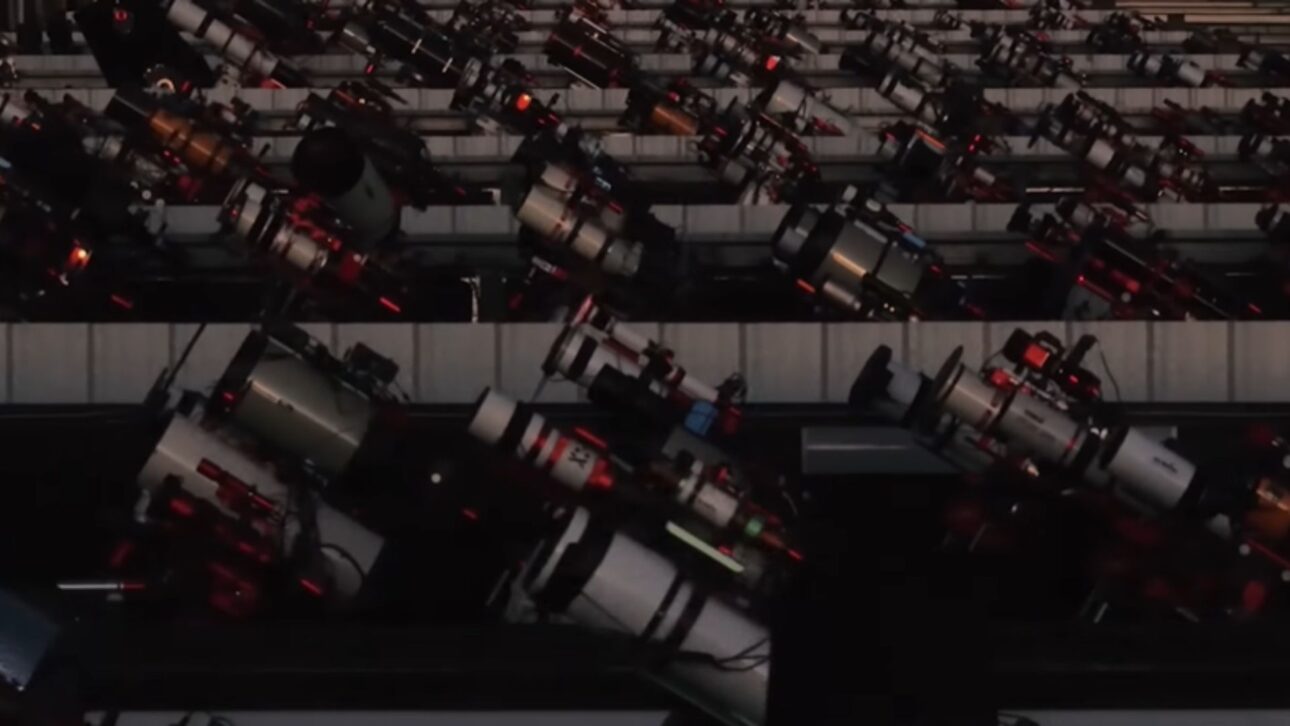
A fast fiber connection sends the images to the owners, and weather sensors automatically close the roofs when it rains.
The result is an accessible telescope ranch from anywhere. Clients from Europe, Asia, North America, and the Middle East point their equipment and capture galaxies and nebulas without leaving home.
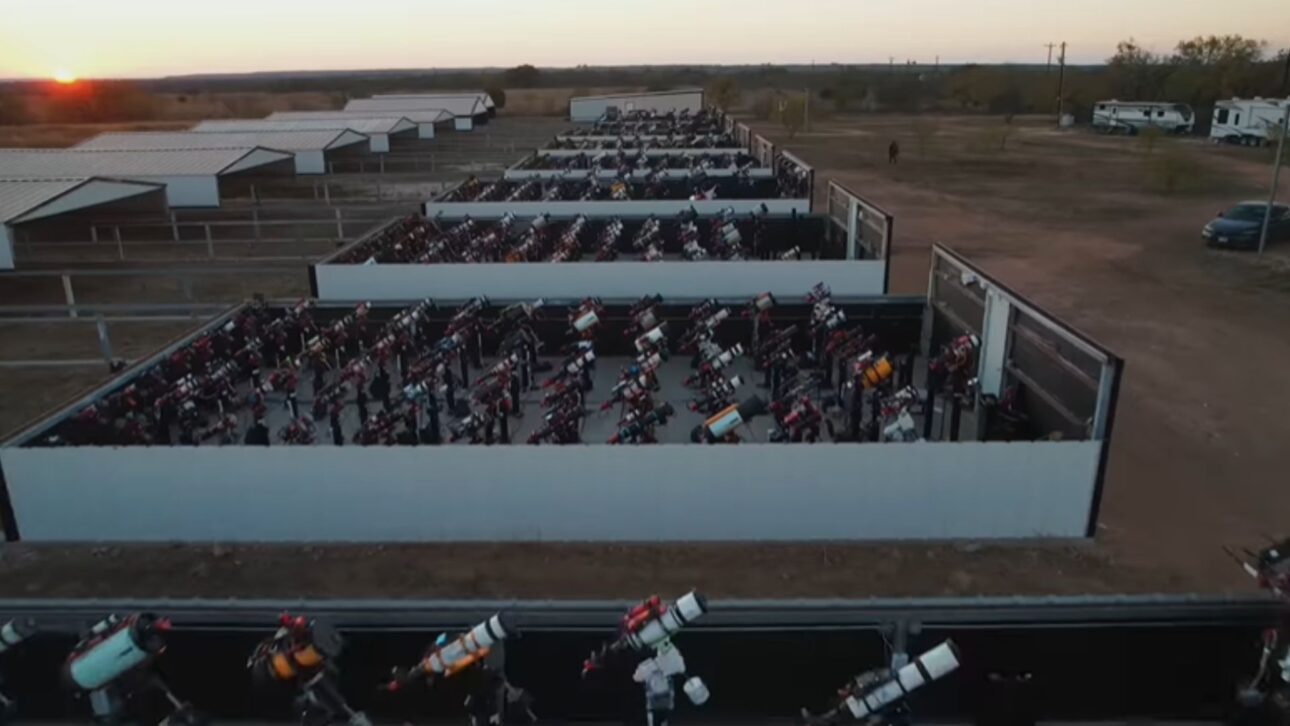
According to reports on the case, the number of devices grows by two to three per day and already exceeds more than three times that of the nearest competitor, making this telescope ranch the largest in the world in terms of equipment dedicated to astrophotography.
Why light pollution is both the enemy and the advantage of Texas
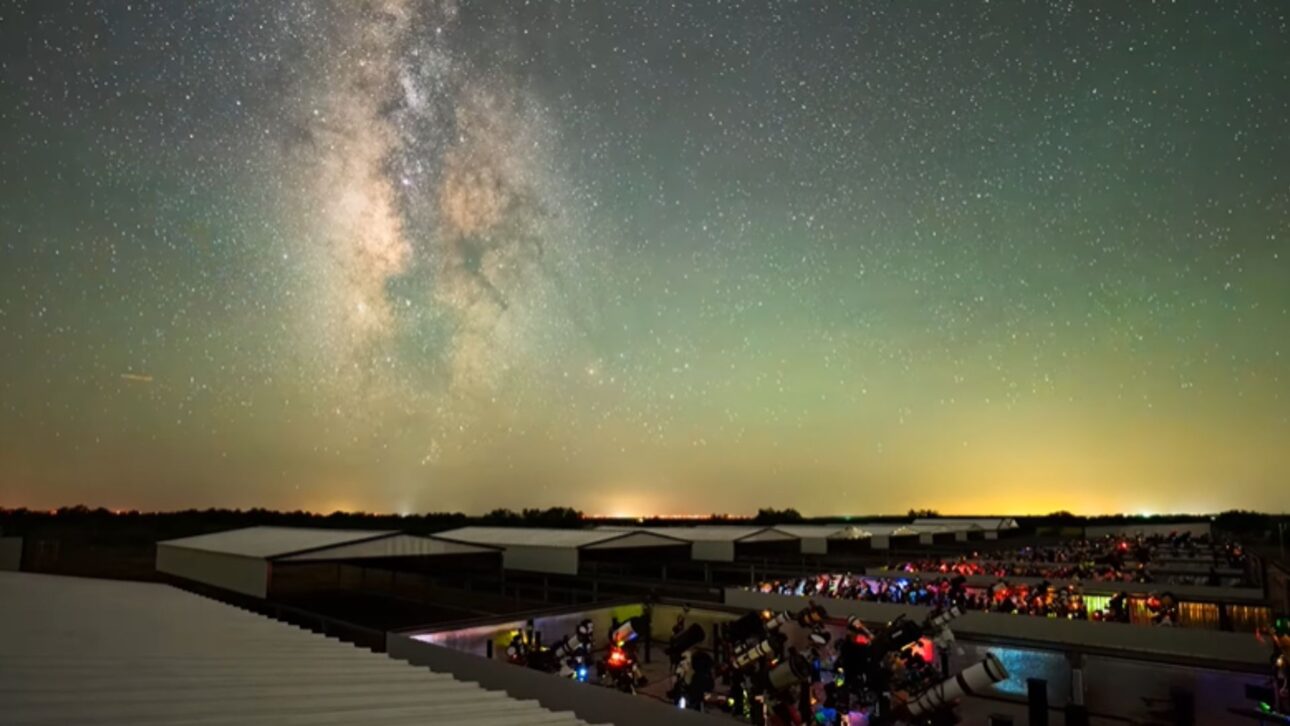
To understand the business, you need to understand the problem. The light pollution from cities dims the faintest stars and the details of the sky, hindering those trying to observe or photograph the cosmos from home.
The telescope ranch of Bray Falls is located in a region classified as Bortle 1, the darkest category on the scale, with virtually no artificial light and more than 220 clear nights per year.
Besides light pollution, there is the logistics that keep people away from astronomy: driving for hours, paying for hotels, gas, and food, and still hoping for a clear sky.
In the center of Texas, far from the lights of big cities, these obstacles disappear, and the dark sky becomes the main asset of the business. That’s why so many people prefer to send their equipment to Texas rather than trying to do astrophotography in their own backyard.
From Honeywell engineer to telescope magnate
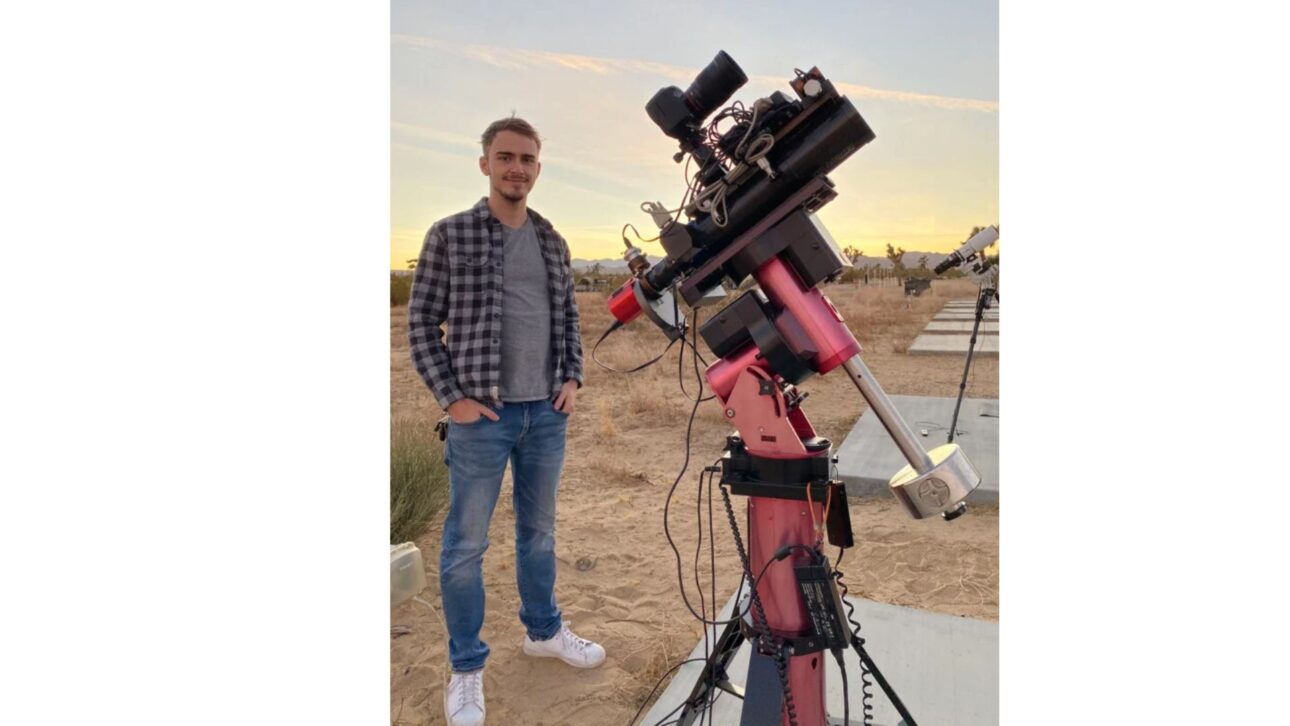
The journey of Bray Falls is almost as curious as the business. He was an aerospace engineer at Honeywell.
He quit his job, started living in a trailer, and began the construction of the telescope ranch in May 2024, making the operation an enterprise with about a year and a half of life.
According to what he told the Core Memory podcast, subscription plans start below 99 dollars and go up to about 400 dollars per month, with a model that charges for the arc each telescope sweeps across the sky.
The price draws attention because, still according to Falls, remote observatories around the world usually charge something close to 3,000 dollars monthly.
The idea of hosting telescopes remotely is not new, but what he claims to have done is open it to the common consumer.
Passionate about astrophotography, Bray Falls himself says he has already discovered about 15 deep sky objects not yet cataloged, such as remnants of supernovae and nebulae, systematically sweeping the sky with special filters.
The burden of caring for others’ astronomical “children” and the plans


There is also an emotional side to the work. Bray Falls claims to take very seriously the responsibility of caring for expensive equipment, which many clients treat like children.
During the report’s visit, there was luck: the Lemon comet was making one of its rare passes and could be observed live, with its ion tail changing appearance each night as it is pushed by the solar wind.
Looking ahead, the plan is to expand. According to the information released, the telescope ranch intends to open a unit in Australia, in the southern hemisphere, and develop a smart telescope rental platform aimed at beginners.
In the end, it’s a peculiar real estate business, renting ground for telescopes, but it helps democratize astrophotography precisely by overcoming the light pollution that limits so many people.
Leaving an engineering career to become the owner of the world’s largest telescope ranch, in a dark part of Texas, is the kind of story that mixes courage and passion for the sky.
Tell us in the comments if you would send your telescope to a place like this or if you would pay a subscription to photograph the stars from afar.